Iran Defends Strait of Hormuz Control Amid Escalating Tensions
Iran is leveraging its control over the vital Strait of Hormuz, a key global oil route, amidst international pressure and economic sanctions. Upcoming US-Iran talks, mediated by Pakistan, aim to de-escalate tensions, with high-level delegations signaling the seriousness of the negotiations.

Iran Holds Key to Global Oil Trade Amid Regional Conflict
Iran is asserting its control over the vital Strait of Hormuz, a critical chokepoint for global energy supplies, amidst escalating regional tensions and international scrutiny. The move follows a period of intense conflict and US sanctions, prompting Iran to explore ways to leverage its strategic position for revenue and security. The situation is further complicated by ongoing discussions regarding a ceasefire and the role of international mediators.
Strait of Hormuz: Iran’s Strategic Leverage
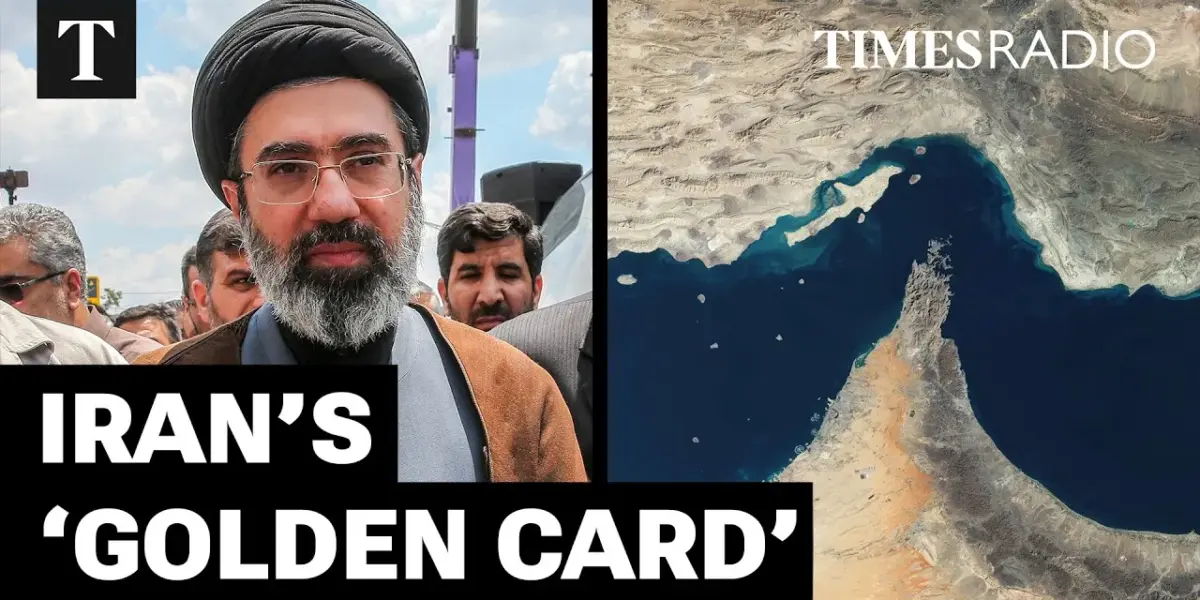
The Strait of Hormuz, a narrow waterway between the Persian Gulf and the Gulf of Oman, is crucial for the global oil trade, with about 20% of the world’s oil passing through it daily. Iran views its control over this strait as its primary leverage, a “golden card” it is unwilling to relinquish easily. This strategy has become more prominent in recent weeks, moving from discussions among hardline factions to a tangible policy.
American Iranian journalist and senior fellow at the Center for International Policy, Negar Mortazavi, explained Iran’s perspective: “The trade of Hormuz has become Iran’s they see it as their golden card as the main leverage and they’re trying to see how they can play this card in the you know highest um reward possible.” This move is seen as a response to years of crippling US sanctions that have severely impacted Iran’s economy.
International Response and Diplomatic Efforts
The potential for Iran to charge fees for passage through the strait has drawn sharp reactions. Former President Donald Trump issued a warning via social media, stating, “There are reports that Iran is charging fees to tankers going through the Homus straight. They better not be and if they are, they better stop.” This highlights the international concern over any disruption to oil flow.
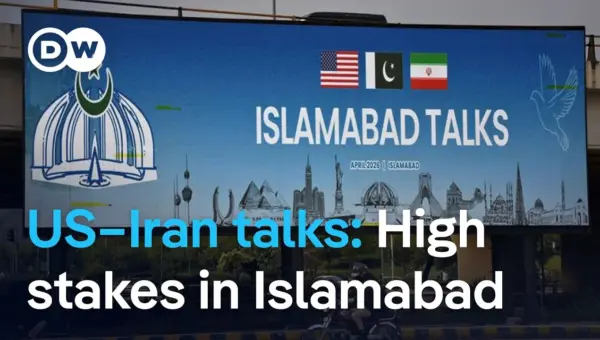
Meanwhile, diplomatic efforts are underway to de-escalate the situation. Talks are scheduled between Iran and the US in Islamabad, Pakistan. The choice of Pakistan as a mediator is seen as significant. Mortazavi noted, “Pakistan emerged as a very interesting and seemingly suitable mediator. Pakistan is Iran’s neighbor. They consider them their Muslim brother who is also not involved in the war.”
High-Level Delegations Signal Seriousness of Talks
The upcoming negotiations are expected to involve high-level delegations from both sides, indicating a serious approach to resolving the current crisis. Iran is reportedly sending the speaker of its parliament, a former IRGC commander, and the foreign minister. On the US side, Vice President JD Vance is expected to represent Washington, a notable step up from previous negotiations.
“The trade of Hormuz has become Iran’s they see it as their golden card as the main leverage and they’re trying to see how they can play this card in the you know highest um reward possible.”
Negar Mortazavi, American Iranian journalist
Mortazavi sees this as a positive sign: “The speaker of parliament who’s now essentially de facto leading the war Kalibav who was a former IRGC commander with the Iranian foreign minister could be the delegation and then on the US side it seems to be the vice president JD Vance which is a a big step up from former negotiations.”
Broader Regional Impact and Ceasefire Concerns
The conflict has also had a significant impact on neighboring regions, particularly Lebanon. Israeli strikes in Lebanon, which continued after a ceasefire was agreed upon, have been condemned by international figures. UK Foreign Secretary Iet Cooper stated, “The escalation of air strikes in Lebanon by Israel yesterday was deeply damaging. and the humanitarian consequences of this conflict with hundreds of thousands of people displaced, hundreds of people killed, but also for the security prospects for the region and for the people of Lebanon and the people of Israel, too.”
The ceasefire itself is described as fragile, with a general sense of uncertainty. While Iran is seen as the underdog fighting an asymmetric war, its ability to control the Strait of Hormuz and influence global energy prices demonstrates its significant strategic power. The outcome of the upcoming talks in Islamabad will be crucial in determining the future stability of the region and the flow of global energy.
What to Watch Next
All eyes will be on the upcoming US-Iran talks in Islamabad. The willingness of both sides to compromise, particularly on Iran’s assertion of control over the Strait of Hormuz, will be key. Additionally, the ongoing situation in Lebanon and the stability of the regional ceasefire remain critical factors to monitor as tensions continue to simmer.
Source: Why Iran Won’t Give Up Control Of The Strait Of Hormuz | Negar Mortazavi (YouTube)

Related Articles

NATO Allies Urged to Step Up Support for US
Retired Navy SEAL Mike Cirelli urges NATO allies to increase their support for U.S. international efforts, citing delays in crucial operations. NATO's chief acknowledges past slow responses, while Cirelli emphasizes the need for allies to take greater responsibility for global security, especially concerning energy supplies.

Iran Nuclear Talks Heat Up Amid Ceasefire Concerns
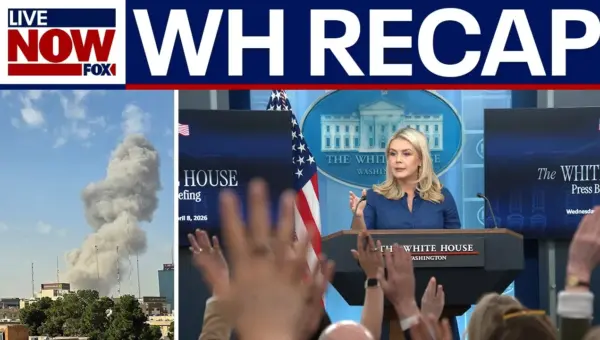
The White House is clarifying its stance on Iran's nuclear program, emphasizing that enrichment is off the table. Meanwhile, a high-level delegation is heading to Pakistan for critical talks amid reports of continued hostilities and the alleged closure of the Strait of Hormuz, testing a fragile ceasefire.
US-Iran Talks Falter Amid Hormuz Standoff, Ceasefire Strain
A fragile ceasefire between the US and Iran is under severe strain as tensions rise over the critical Strait of Hormuz. Both nations accuse each other of violating the terms of a recent deal, while international efforts to secure the vital shipping lane intensify. Crucial peace talks are underway in Pakistan, but deep-seated distrust and maximalist demands from both sides cast doubt on the likelihood of a comprehensive agreement.