China Pushes Yuan, Threatens Dollar in Strait of Hormuz Stand-off
Iran's demand for oil payments in Chinese Yuan at the Strait of Hormuz challenges the U.S. dollar's dominance. This move, coupled with China's broader economic vulnerabilities and broken promises on issues like fentanyl, signals potential global economic shifts and increased market volatility.

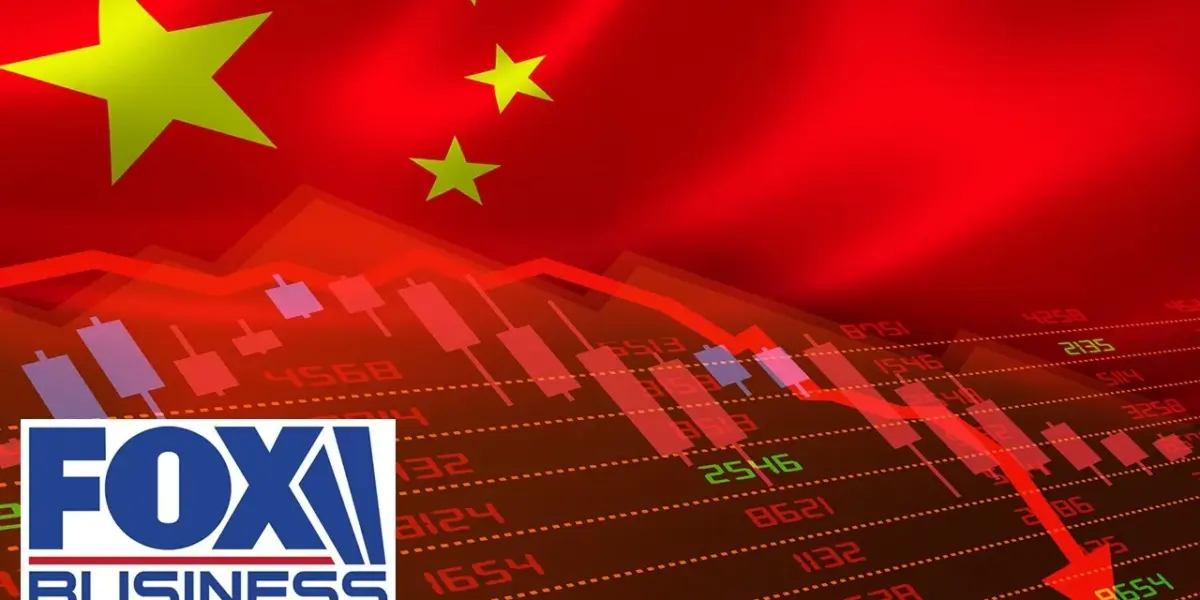
China Pushes Yuan, Threatens Dollar in Strait of Hormuz Stand-off
Two Chinese oil tankers are currently waiting near the Strait of Hormuz. Iran is demanding payment in Chinese currency, the Yuan (RMB), for oil cargo. This move signals a deepening partnership between Iran and China, and represents a direct challenge to the U.S. dollar’s long-held dominance in global oil trade.
This demand is significant because it’s an attack on the ‘petrodollar,’ the system where oil is primarily priced and traded in U.S. dollars. If China can successfully get other nations to accept the Yuan for oil, it could weaken the dollar’s global standing. This tactic is part of a larger trend where China is seeking to expand the international use of its currency.
A Challenge to Global Trade Routes
The situation in the Strait of Hormuz highlights broader concerns about global trade security. Iran’s demand could lead to disruptions in oil flow. If Iran succeeds, other countries might attempt similar actions, potentially leading to a less open global trade environment. China is also reportedly attempting to close off parts of the East China Sea, suggesting a potential shift from an open global system to a more closed one.
China’s role extends beyond just paying for oil. The country has been a significant supporter of Iran, providing economic aid and resources. This support helps keep Iran’s economy functioning, even amidst international pressure. China also recently played a small role in mediating a ceasefire, an effort seen as an attempt to boost its image as a global mediator ahead of President Trump’s planned visit to China.
Concerns Over U.S. Policy and China’s Promises
The upcoming visit of President Trump to China raises questions about the effectiveness of current U.S. foreign policy. Some experts argue that engaging with China, especially during times of tension, has not yielded the desired results. For over two decades, attempts to accommodate China have reportedly led to a more precarious global situation.
A key example of broken promises involves the issue of fentanyl. China has repeatedly pledged to control the flow of the dangerous drug into the U.S., but these promises have been dishonored. This pattern suggests a need for a new approach, one that imposes different costs and expectations on China’s behavior. The current strategy, according to some analysts, is driving the U.S. deeper into difficulty.
China’s Economic Vulnerabilities
Despite its growing global influence, China’s economy is facing significant headwinds. The recent oil shock, for instance, saw diesel prices jump by 13.5% in the early days following the incident. Diesel is crucial for China’s industrial and economic activities. However, a more fundamental challenge lies in China’s reliance on exports for economic growth.
With increasing global turbulence and actions that contribute to deglobalization, China’s export-driven growth model is under severe threat. If international trade declines, China’s economy could face a severe slowdown, with limited alternative paths for expansion. This economic pressure could force significant changes within China’s economic strategy.
Market Impact and Investor Considerations
The events surrounding the Strait of Hormuz and China’s currency push have several implications for investors and the broader market. The challenge to the petrodollar could lead to increased volatility in currency markets and potentially impact the value of the U.S. dollar over the long term.
For investors, understanding China’s economic health is critical. Disruptions to its export market can have ripple effects across global supply chains and corporate earnings. Sectors heavily reliant on international trade, or those exposed to energy price fluctuations, may see increased risk. The ongoing geopolitical tensions and the potential for further deglobalization suggest a need for diversification and a cautious approach to investments tied heavily to global stability.
Source: 'NO HOPE': Shocking outlook for China’s economy revealed (YouTube)

Related Articles

Iran Nuclear Talks Heat Up Amid Ceasefire Concerns
The White House is clarifying its stance on Iran's nuclear program, emphasizing that enrichment is off the table. Meanwhile, a high-level delegation is heading to Pakistan for critical talks amid reports of continued hostilities and the alleged closure of the Strait of Hormuz, testing a fragile ceasefire.

US-Iran Talks Falter Amid Hormuz Standoff, Ceasefire Strain
A fragile ceasefire between the US and Iran is under severe strain as tensions rise over the critical Strait of Hormuz. Both nations accuse each other of violating the terms of a recent deal, while international efforts to secure the vital shipping lane intensify. Crucial peace talks are underway in Pakistan, but deep-seated distrust and maximalist demands from both sides cast doubt on the likelihood of a comprehensive agreement.
Oil Prices Hold Steady Amid Iran Tensions, Inflation Eases
Oil prices remain below $100 a barrel despite rising tensions with Iran, as inflation shows signs of cooling. While diplomatic talks face significant hurdles, Saudi Arabia's pipeline capacity and falling food prices offer some economic stability. Investors remain cautious, weighing geopolitical risks against easing price pressures.