US Senator JD Vance Campaigns for Hungary’s Orban
U.S. Senator JD Vance has traveled to Hungary to endorse Prime Minister Viktor Orban, who faces a tough election. The visit highlights the growing influence of American MAGA politics on European elections and Vance's own political positioning.

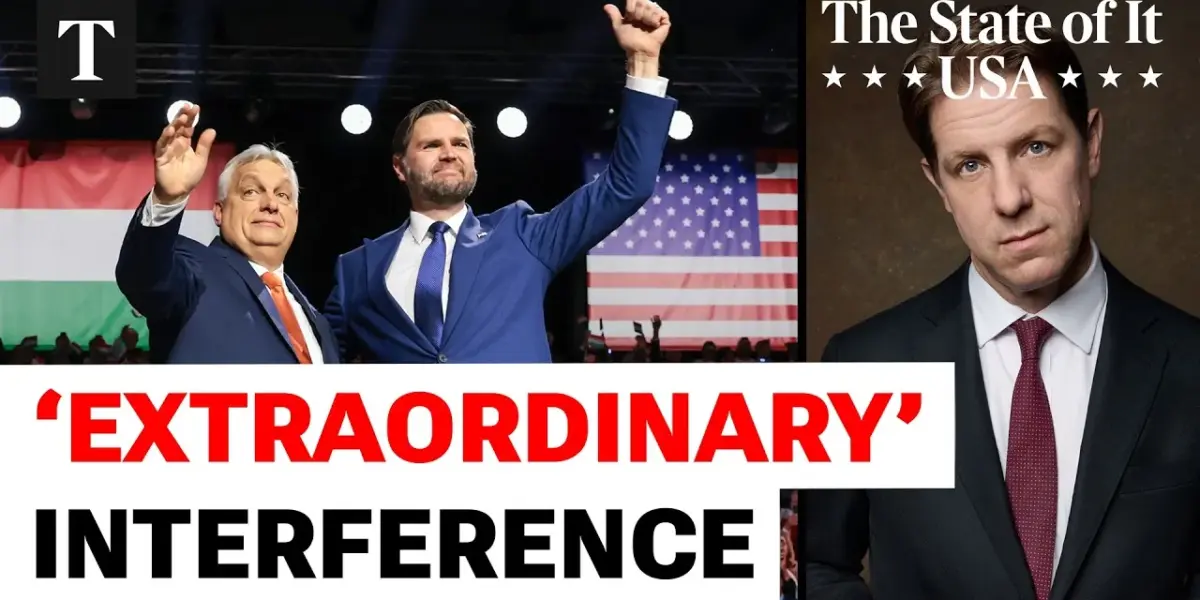
US Senator JD Vance Endorses Hungarian Prime Minister Orban
In a move drawing significant international attention, U.S. Senator JD Vance traveled to Budapest this week to support Hungarian Prime Minister Viktor Orban. Orban, who has been in power for 16 years, faces his toughest electoral challenge yet. Opinion polls suggest he is trailing opposition leader Peter Magyar ahead of Sunday’s crucial elections.
Vance’s visit marks the first high-level U.S. visit to Hungary in two decades. During a rally, Vance even connected Orban to former U.S. President Donald Trump via phone. Trump spoke to the crowd, praising Orban as a “fantastic man” and crediting him with protecting Hungary’s borders.
“He didn’t allow people to storm your country and invade your country like other people have and ruin their countries. Frankly, he’s kept your country good. He’s kept Hungarian people in your country and he’s done a fantastic job,” Trump said during the call.
Hungary as a MAGA Battlefield
The involvement of a prominent U.S. politician in a European election is seen by many as a sign of how American politics, particularly the MAGA movement, is influencing global affairs. Analysts suggest that Orban has become a key figure for a brand of “illiberal conservatism” that includes ideas like Christian nationalism and the notion of Western civilization under attack.
These themes resonate with the MAGA movement in the United States. The transcript notes that the U.S. national security strategy has even declared an intent to “destabilize European incumbents and help their opponents.” This foreign policy approach is unusual, especially given past U.S. concerns about interference in elections.
For example, former President Trump was reportedly angered by allegations of foreign interference from a few British political advisors helping Joe Biden. Now, his vice presidential hopeful is actively campaigning for a leader who appears to be struggling in the polls.
Vance’s Political Calculus
Commentators suggest Vance’s trip to Hungary is less about the immediate Hungarian election and more about his own political future in the U.S. By aligning himself with Orban, Vance is seen as showcasing his political beliefs and his positioning within the broader MAGA movement.
This comes at a time when potential rivalries within the Republican party are evident. Former President Trump has reportedly been gauging support for potential successors, including Vance and Senator Marco Rubio. Vance’s public display of his “Orbanist orientation” could be a way to assert his independence and define his political identity.
Some observers point to the potential for splits within the conservative movement. While figures like Senator Marco Rubio have taken a more hawkish stance on international issues, Vance has been perceived as more dovish, particularly regarding the conflict in Iran. His trip to Hungary might be a strategic move to consolidate his base and signal his distinct political direction.
Broader Implications for Europe and the US
The alignment between certain U.S. political factions and European leaders like Orban raises questions about the future of international relations and democratic norms. Critics argue that foreign interference in elections, regardless of the country or political party, rarely plays well.
This is a point echoed by Peter Magyar, the opposition leader in Hungary, who is increasingly favored to win. There’s a potential paradox if Vance champions a form of conservatism that is struggling in its home country. Orban’s economic policies, based on a state-capitalist model, are reportedly not performing as well as more classic liberal economic approaches in neighboring countries like Poland and the Baltic states.
However, the influence of this “illiberal conservative” model might be lagging. In Britain, Nigel Farage’s Reform UK party is increasingly adopting an Orban-esque platform, shifting away from its initial classical liberal stance. This suggests that while Orban’s model may be faltering in Hungary, its ideas are still finding traction elsewhere.
The ‘Trump Hangover’ Effect
The transcript also touches on a potential “Trump hangover effect” for conservative movements globally. While Trump’s influence is undeniable, his strong rhetoric, particularly concerning the Iran conflict, could alienate potential allies and voters.
The argument is that such language, describing potential “end of civilization” scenarios, might ultimately hurt the image of populist leaders who present themselves as mavericks with answers. Recent European elections have shown a decline in support for populist parties in government or coalition roles.
This trend could have international repercussions. While Vance’s trip to Hungary is significant, the broader question remains: can populist movements maintain their appeal when their core ideas face challenges both domestically and abroad? The Hungarian election this weekend, therefore, is being watched closely for its potential impact on these global political currents.
Source: How Hungary’s Election Has Become a MAGA Battlefield | Fraser Nelson & Katy Balls (YouTube)

Related Articles
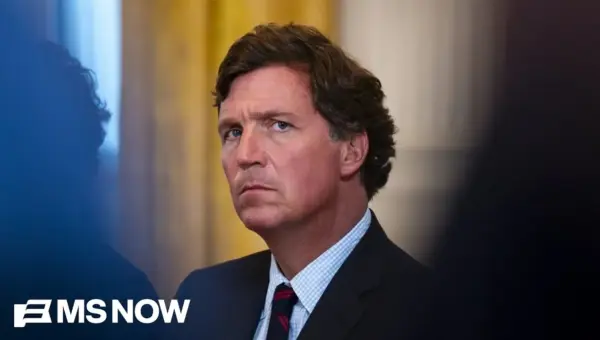
Trump Clashes With Tucker Carlson Over War Threats
Former President Donald Trump is facing significant backlash from within his own MAGA movement over his aggressive war rhetoric, particularly his threat to Iran's civilization. Prominent figures like Tucker Carlson and Megyn Kelly have voiced strong criticism, leading to a public feud where Trump has attacked his detractors' intelligence. The conflict raises questions about voter trust, broken promises, and the sincerity of political endorsements.

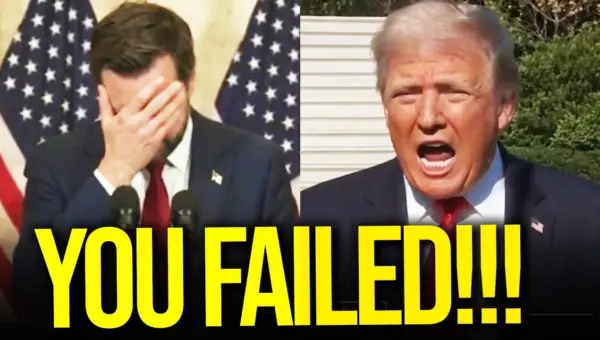
Vance’s Diplomatic Failure Fuels War Fears
High-stakes talks between the U.S. and Iran have collapsed, leaving Vice President JD Vance admitting no progress was made. The failure to secure a commitment from Iran not to pursue nuclear weapons highlights strategic leverage points and raises concerns about escalating conflict and financial costs.

Trump Lashes Out: Are His Own Allies Now ‘Low IQ Losers’?
Donald Trump unleashed a fiery tirade on Truth Social, labeling former allies like Tucker Carlson and Megyn Kelly as "low IQ losers." This attack questions the loyalty of key figures who have supported him, suggesting they are merely opportunistic "hangers-on" rather than true MAGA supporters. The incident reveals potential internal friction within the movement and raises questions about Trump's leadership and the future direction of MAGA.