China Courts US Oil Amid Iran Deal, Rare Earth Race Heats Up
China is now importing US oil amid a complex geopolitical landscape, including brokering an Iran ceasefire and facing challenges in its rare earths dominance. Meanwhile, regional disputes over strategic islands and airspace add to global tensions.

China Courts US Oil Amid Iran Deal, Rare Earth Race Heats Up
In a significant diplomatic and economic shift, China has begun importing oil from the United States again. This move comes as China pressured Iran to accept a ceasefire with Israel, a development that reshuffles global energy and trade dynamics. The situation highlights competing interests between major world powers and underscores the complex geopolitical chessboard.
China’s Shifting Energy Ties
China’s decision to resume importing US oil is a notable change. Previously, during trade disputes, China had cut off trade with the US for liquefied natural gas and oil. Now, it is re-establishing this trade, a move that has surprised many observers. The exact reasons for this timing are unclear, but several factors are likely at play. One possibility is that the capture of Venezuelan leader Maduro and military actions against Iran have created pressure on China’s oil supplies. By buying US oil, China might be securing its energy needs for Asian fuel markets, which have been disrupted by crises in the Strait of Hormuz. Another theory suggests China aims to re-export this oil, positioning itself as a savior for Asian countries struggling with economic impacts from oil disruptions. This could also be an attempt to improve relations with the Trump administration ahead of President Trump’s visit to Beijing.
Iran Ceasefire and China’s Role
The recent ceasefire between Iran and Israel, brokered just before a US deadline for military action, involved China in a surprising way. According to unnamed Iranian officials, China applied pressure on Iran to agree to the truce. This happened shortly after China, along with Russia, vetoed a UN Security Council resolution concerning the Strait of Hormuz. While China has been vague about its role, US President Trump indicated that China was indeed involved in pressuring Iran. This suggests a complex diplomatic effort where China, while supporting Iran at the UN, also worked to de-escalate tensions to protect its own economic interests, particularly its access to oil.
Venezuela’s Oil Boom Benefits India
Meanwhile, Venezuela’s oil exports have reached a six-year high. This surge is largely due to India stepping in to buy oil that China previously purchased. Shipments to India more than quadrupled in a single month, even surpassing US purchases of Venezuelan crude. This shift could significantly boost India’s manufacturing sector, potentially at China’s expense. It represents another instance of how trade flows are being rerouted, impacting China’s economic standing.
The Rare Earths Battleground
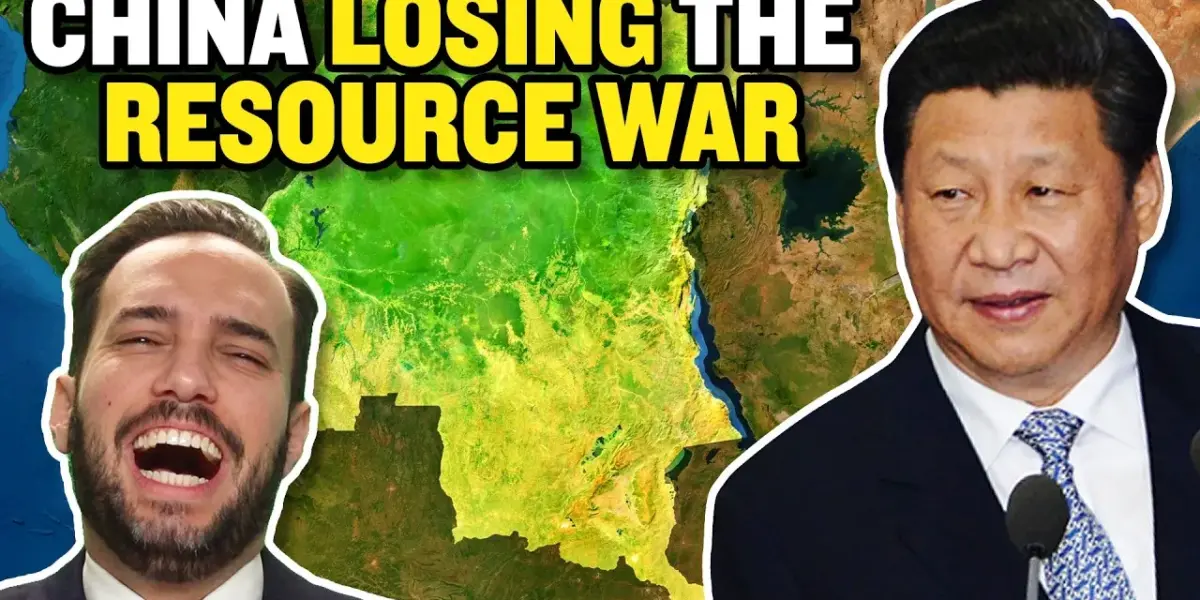
China holds a significant advantage in the global market through its near-monopoly on rare earth elements. These are crucial for producing modern technology, making them a key strategic asset. The Trump administration has been actively working to break this Chinese stranglehold. A recent development in this effort is a US firm acquiring a major cobalt miner in the Democratic Republic of Congo. Cobalt is another vital component for advanced technologies. This acquisition is significant because it represents one of the world’s largest cobalt producers not already controlled by China. However, the political stability of the Democratic Republic of Congo remains a concern, potentially complicating the long-term success of this venture.
Chagos Islands Dispute Continues
The long-standing dispute over the Chagos Islands, which host a key US military base in the Indian Ocean, continues to evolve. The UK has been in discussions to transfer the islands to Mauritius, a government seen as having pro-China leanings. China itself has reportedly considered leasing an island near the US base. However, the Maldives has declared it will not recognize any deal regarding the Chagos Islands. The Maldives argues it was not consulted and claims a stake in the islands, asserting it is even closer to them than Mauritius. The Maldives is now threatening legal action. Russia, a close ally of China, is reportedly backing Mauritius’s claim, likely hoping to see a Chinese presence near the vital US base on Diego Garcia.
China Restricts Airspace Near Japan
Adding to the geopolitical tensions, China has restricted its airspace for an unusually long period of 40 days, with no official reason given. This type of restriction typically occurs during military drills, but the duration is far longer than usual. The location of the restricted airspace, near Japan, raises questions about potential intimidation tactics. While no military drills have been confirmed yet, the extended closure provides China with a significant window for unspecified activities. This occurs at a time when the US is dealing with multiple international challenges, potentially diverting its attention.
Global Impact
This series of events shows a world order in flux. China’s economic needs, particularly for energy, are forcing it to engage with the US, even as it seeks to expand its influence in regions like the Indian Ocean and Africa. The competition over critical resources like rare earths and cobalt is intensifying, with the US and its allies working to reduce China’s dominance. Meanwhile, regional disputes and strategic positioning, as seen in the Chagos Islands and airspace restrictions, continue to create flashpoints. The interconnectedness of these issues—energy security, resource control, and strategic alliances—means that developments in one area can quickly impact others, shaping global power balances for years to come.
Source: China HUMILIATED—Comes Begging to the US (YouTube)

Related Articles


Vance’s Failed Diplomacy Could Doom His Political Future
Senator JD Vance's recent diplomatic mission in Pakistan ended in failure, raising questions about his political future. The situation highlights complex geopolitical tensions, potential strategic missteps by Donald Trump, and significant economic implications for global energy markets.

US Navy Blockades Strait of Hormuz After Talks Collapse
The U.S. Navy has launched a naval blockade of the Strait of Hormuz after critical ceasefire talks with Iran collapsed. This move follows accusations of Iranian "extortion" through alleged mine-laying and toll collection in the vital shipping lane. The operation aims to ensure global energy flow and challenge Iran's control over the waterway.


Ukraine Offers Combat Expertise in Middle East War
Ukraine is leveraging its extensive combat experience to offer air defense expertise and drone technology to nations involved in the Middle East conflict. This move aims to forge new alliances, secure economic benefits, and bolster its global standing, despite facing rejections and internal challenges.