Iran’s Hormuz Threat: A Known Tactic, Not New
Recent conflict did not teach Iran a new tactic by threatening to close the Strait of Hormuz. Experts and Iranian planners have long understood this strategic leverage. The effectiveness of the recent shutdown was tied to global perceptions of the preceding conflict's instigator, not a newfound Iranian capability.

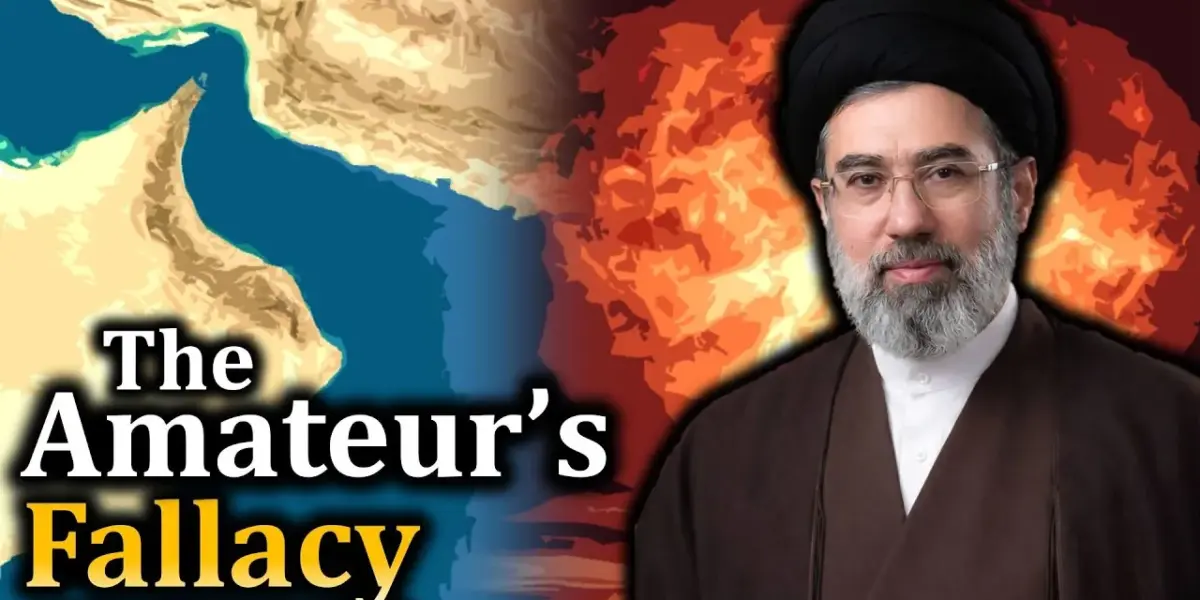
Iran’s Hormuz Threat: A Known Tactic, Not New
The narrative that Iran has discovered a new, powerful weapon by threatening to close the Strait of Hormuz after a recent conflict is fundamentally flawed. Experts and Iranian planners have long understood the strategic implications of controlling this vital waterway. The idea that this conflict was a revelation for Iran is based on what can be called the “amateur’s fallacy.” This occurs when someone learns a new fact and assumes experts were unaware of it.
The Strait of Hormuz is a narrow waterway connecting the Persian Gulf to the open ocean. Roughly 20% of the world’s oil passes through it daily. For centuries, the principle of freedom of navigation has generally ensured that trade could flow without issue. However, controlling the Strait gives a nation significant leverage over global energy markets.
The ‘Amateur’s Fallacy’ in Military Strategy
This fallacy is evident in discussions about nuclear weapons as well. Some believe recent conflicts have shown that nuclear weapons guarantee a nation’s survival, leading more countries to pursue them. However, national security experts already factored this into their calculations. Countries that have not developed nuclear weapons have done so because the costs outweighed the perceived benefits. The potential for nuclear deterrence has always been part of their decision-making formula.
Similarly, we don’t need to see a spacewalker’s suit fail on the dark side of the moon to know it’s dangerous. We don’t need Taiwan to destroy its chip factories to understand the global economic impact. These outcomes are predictable based on existing knowledge and physics. The Strait of Hormuz falling under threat is no different; its potential to cause global disruption was always understood.
Contradictory Narratives Exposed
Common public discussions often present a contradiction. One moment, the narrative is that closing the Strait of Hormuz was a known nightmare scenario that even the White House understood. The next moment, the argument is that Iran has just learned this lesson, creating a dangerous new reality. These two points cannot both be true. Either the danger was obvious to everyone, including Iran, or everyone, including Iran, was unaware.
The reality is that the threat of closing the Strait was well-understood by all parties involved. This includes Iranian leadership. Even policymakers who don’t rely heavily on theory can observe real-world examples. About two and a half years ago, the Houthi rebels in Yemen disrupted shipping through the Bab el-Mandeb Strait, another critical maritime chokepoint. If a group reliant on Iran for weapons could achieve this, it was clear Iran could easily do the same with the Strait of Hormuz.
Hormuz Shutdown: A Defensive Tool, Not a New Discovery
Referring to closing the Strait as a “nuclear option” highlights its gravity. No one should be surprised that such an action would have significant global consequences. Iran was always capable of closing the Strait. Iranian military planners did not suddenly discover this capability on February 28. Instead, they utilized a known strategic option, a playbook they have had for years.
The effectiveness of the recent Hormuz shutdown was largely due to how the international community reacted to the preceding conflict. When global consumers face a 25% increase in gas prices, they look for a culprit. In this instance, the world largely viewed the United States as the instigator of the conflict that led to the disruptions. Within the U.S., many voters blamed the Trump administration.
While Iran was directly responsible for preventing tankers from passing and targeting oil infrastructure, the public saw a clear link between U.S. airstrikes and Iran’s countermeasures. This perception directed the political blame toward the White House. This international reaction is key to understanding why the recent event did not fundamentally change Iran’s strategic calculus.
Strategic Implications: A Different World if Iran Instigates
Consider a future scenario where Iran, without being directly provoked, decides to close the Strait to achieve its goals. Perhaps in response to Israeli actions in Lebanon or Saudi Arabia’s actions against the Houthis. In such a case, the international response would be vastly different.
If Iran were the clear instigator, international patience would be minimal. This situation mirrors the Iran-Iraq War, where both sides attacked tankers. However, Iran never attempted to close the Strait. They understood that if they did, the world would see them as the aggressor, likely leading to intervention against Iran. Iraq even tried to provoke Iran into closing the Strait, knowing it would backfire.
Similarly, if a Western-aligned country attacked oil refineries, the response would be outrage and pressure to stop. But if Ukraine did this in retaliation for a Russian invasion, Ukraine would receive international support. A similar dynamic applies domestically. The current conflict is unpopular because it causes financial strain, and voters blame the president. If Iran closes the Strait in the future, that same public outcry would be directed at Tehran, and likely with greater intensity due to long-standing animosity towards the Islamic Republic.
The current situation, where the U.S. was seen as the cause, created a unique political environment. This allowed for actions like letting Iranian oil continue to pass through the Strait. If Iran were to unilaterally close the Strait, it would transform from a defensive tactic or a strategic pressure play into a situation of mutually assured destruction. The “nuclear option” analogy holds because, like nuclear weapons, the Strait’s closure is more effective as a defensive deterrent than an offensive tool to compel an opponent’s behavior.
Conclusion: No New Learning, Just Old Tactics
The idea that Iran has newly discovered the power of closing the Strait is a misinterpretation. Both Iran and global observers have long been aware of this potential. The recent shutdown was effective due to the specific geopolitical context created by the preceding conflict, with the U.S. perceived as the primary aggressor. Should Iran attempt a similar action as the primary instigator in the future, it would face a drastically different and far more hostile international response.
Source: Backfired: Has Iran Learned the Power of Closing Hormuz? (YouTube)

Related Articles

NATO Allies Urged to Step Up Support for US
Retired Navy SEAL Mike Cirelli urges NATO allies to increase their support for U.S. international efforts, citing delays in crucial operations. NATO's chief acknowledges past slow responses, while Cirelli emphasizes the need for allies to take greater responsibility for global security, especially concerning energy supplies.

Iran Nuclear Talks Heat Up Amid Ceasefire Concerns
The White House is clarifying its stance on Iran's nuclear program, emphasizing that enrichment is off the table. Meanwhile, a high-level delegation is heading to Pakistan for critical talks amid reports of continued hostilities and the alleged closure of the Strait of Hormuz, testing a fragile ceasefire.

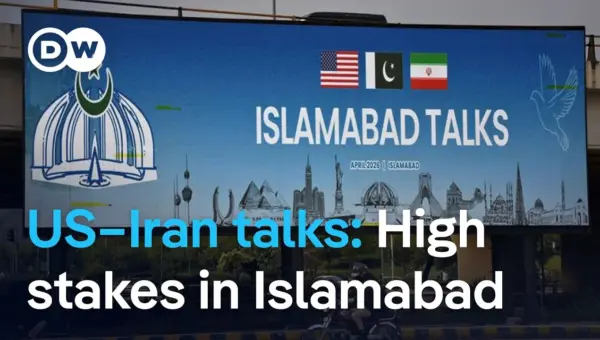
US-Iran Talks Falter Amid Hormuz Standoff, Ceasefire Strain
A fragile ceasefire between the US and Iran is under severe strain as tensions rise over the critical Strait of Hormuz. Both nations accuse each other of violating the terms of a recent deal, while international efforts to secure the vital shipping lane intensify. Crucial peace talks are underway in Pakistan, but deep-seated distrust and maximalist demands from both sides cast doubt on the likelihood of a comprehensive agreement.