Hollywood’s Biggest Flops: Actors Who Faced Career Ruin
Hollywood's history is littered with actors whose careers were nearly derailed by a pair of consecutive box office bombs. From Bruce Willis to Taylor Kitsch, discover the films that caused devastating financial losses and career setbacks.

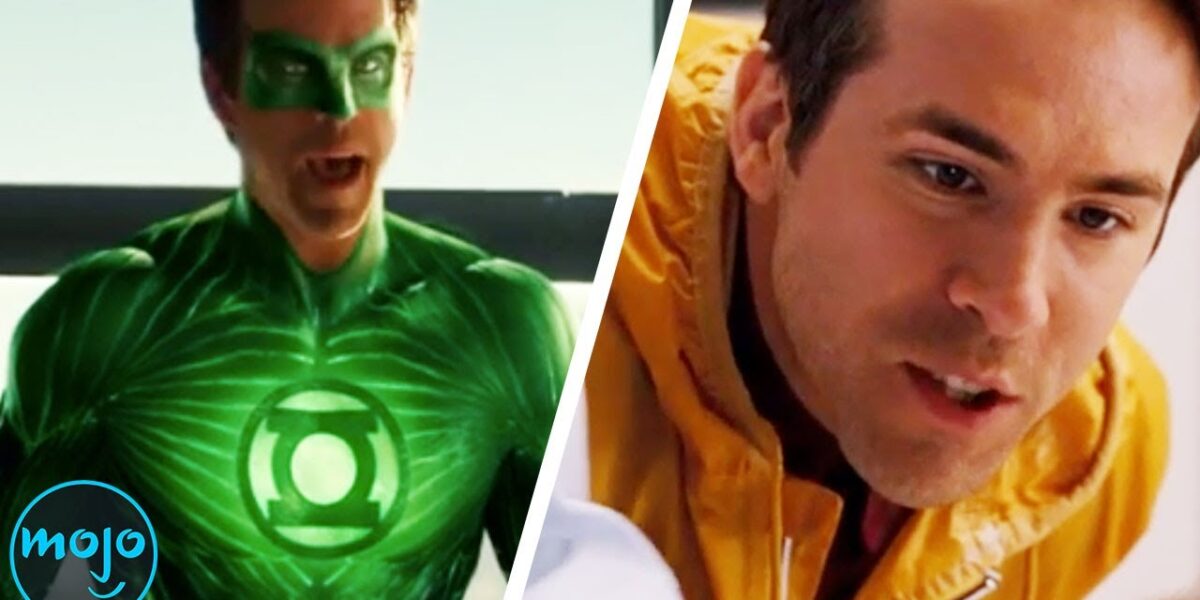
From Box Office Gold to Career Catastrophe: The Actors Who Suffered Devastating Back-to-Back Bombs
In the glittering, high-stakes world of Hollywood, fortunes can change in an instant. While some actors ascend to superstardom with a string of hits, others find themselves caught in a terrifying downward spiral, their careers imperiled by a pair of consecutive box office disasters. Watch Mojo’s latest video, “Top 10 Worst Back To Back BOMBS In Acting History,” shines a spotlight on these unfortunate performers, dissecting the films that nearly derailed their careers and the harsh lessons learned about ego, ambition, and the fickle nature of audience taste.
The Perils of Overconfidence: Bruce Willis’s 1991 Stumble
Kicking off the list at number 10 is action icon Bruce Willis. Fresh off the massive success of Die Hard 2, Willis seemed invincible. However, his ego apparently got the better of him. His passion project, Hudson Hawk, a bizarre action musical about a cat burglar, baffled audiences and critics alike, resulting in an estimated $50 million loss for the studio. Just six months later, Willis attempted a pivot to serious drama with the gangster film Billy Bathgate. Despite sharing the screen with Dustin Hoffman, Willis was reportedly miscast, and the film barely recouped a fraction of its budget. While Willis would undoubtedly bounce back, 1991 served as a stark reminder that one hit doesn’t guarantee another.
Kevin Costner’s Royal Downfall
In the early ’90s, Kevin Costner was the king of Hollywood, riding high on the success of the Oscar-winning Dances with Wolves. But 1994 proved to be his annus horribilis. The bloated, three-hour biopic Wyatt Earp, released mere months after the superior Tombstone, failed to capture audience interest, earning a meager $25 million against a colossal budget. Before the dust settled, Costner starred in The War, a manipulative tearjerker that, despite his marketing as the lead, saw him in a supporting role. Critics panned it, and audiences stayed away. In less than six months, Costner went from golden boy to box office poison, a fate foreshadowed by the impending Waterworld fiasco the following year.
Ryan Reynolds’s Pre-Deadpool Struggles
Long before he donned the red suit as Deadpool, Ryan Reynolds was a rising star desperately trying to break into the blockbuster scene. 2011 was meant to be his coronation, but it nearly ended his run. He first donned the cape for Green Lantern, a film plagued by a weak script and a widely mocked CGI suit. The film’s catastrophic flop derailed DC’s cinematic plans for years. Just two months later, Reynolds tried a different tack with the R-rated body-swap comedy The Change-Up. It also failed to ignite, earning dismal reviews and losing money. These consecutive failures created a narrative that Reynolds couldn’t open a blockbuster, leaving him to struggle for nearly five years until Deadpool finally catapulted him to A-list stardom.
Sylvester Stallone’s Millennium Malaise
Sylvester Stallone has a reputation for comebacks, but the turn of the millennium marked his absolute nadir. He began the losing streak with a gritty remake of the British classic Get Carter. The film was a critical and commercial catastrophe, stripping away the original’s charm and earning a humiliating Rotten Tomatoes score before disappearing from theaters. Hoping for a rebound, Stallone wrote and starred in Driven, a racing film intended to be Top Gun on wheels. Instead, it became a laughingstock, featuring some of the worst CGI car crashes in movie history. With a budget near $100 million, it barely recouped half its cost. These failures signaled that audiences had moved on from the ’80s action icon, plunging him into a career slump until his nostalgic revival in 2006.
Johnny Depp’s Expensive Downward Spiral
For a decade, Johnny Depp was the eccentric genius who printed money for Disney. That golden touch ran out spectacularly starting in 2013. The Lone Ranger was a production nightmare, with audiences rejecting Depp’s casting and performance as Tonto, resulting in a nearly $200 million write-down for the studio. Desperately needing a win, Depp pivoted to serious sci-fi with Transcendence the following year. The result was a convoluted critical dud that failed to even match its production budget. These two high-profile bombs marked a significant turning point in public perception, transforming Depp from a beloved quirky actor into an expensive liability and signaling the start of a long and painful box office decline.
John Travolta’s Razzie-Worthy Double Whammy
John Travolta enjoyed a massive career resurgence in the late ’90s thanks to Pulp Fiction. Then came the new millennium and Battlefield Earth. This film isn’t just a bomb; it’s widely considered one of the most incompetent films ever made, a Scientology passion project featuring Travolta in dreadlocks and nose plugs. It swept the Razzies and became a legendary financial disaster. Just five months later, Travolta starred in Lucky Numbers. Despite being directed by hitmaker Nora Ephron, the dark comedy was dead on arrival, grossing a pitiful $10 million against a $63 million budget. In a single calendar year, Travolta managed to incinerate almost all the cool factor he had built up, turning him into a punchline once again.
Ben Affleck’s Rom-Com Road to Reinvention
If you were around in the early 2000s, you couldn’t escape Bennifer, and neither could Ben Affleck’s career. The media circus peaked with Gigli, a romantic comedy so reviled for its terrible dialogue that it became a shorthand for bad cinema. It made just $7 million against a massive budget of $75 million. While Affleck tried to lay low, he had the misfortune of starring in Surviving Christmas the following year. The movie was so bad the studio panicked and dumped it into theaters in October, a decision widely mocked. This double dose of failure was so toxic that Affleck essentially had to quit acting for a while and reinvent himself as a serious director to earn back goodwill.
Eddie Murphy’s Comedy Comeback Crumbles
2002 was the year the laughter died for Eddie Murphy. It began with The Adventures of Pluto Nash, a sci-fi comedy so troubled it sat on the shelf for two years before release. It cost $100 million and made back only $7 million, resulting in a staggering 93% loss, making it one of the worst returns on investment in movie history. Trying to recover, Murphy teamed up with Owen Wilson for I Spy just three months later. It didn’t help. The film was another critical dud that failed to cover its budget, lacking the edge of his earlier work. Murphy, once the biggest star in the world, found that his name alone could no longer sell tickets, pushing him towards safer, family-friendly fare.
Geena Davis’s Career-Ending Pirate Epic
This double bomb didn’t just hurt Geena Davis’s career; it nearly killed an entire movie studio. Davis teamed up with her then-husband, director Renny Harlin, for the pirate epic Cutthroat Island. Plagued by script and casting issues, it lost so much money that it bankrupted Carolco Pictures and set the Guinness World Record for the biggest box office loss ever. Desperate to pivot, Davis returned the next year with the action thriller The Long Kiss Goodnight. While the film was well-written and has since become a cult classic, audiences at the time ignored it. The massive financial stigma attached to these two films effectively ended Davis’s run as a Hollywood lead, pushing her out of Tinseltown and into television.
Taylor Kitsch’s Blockbuster Blunders
No actor has ever had a worse spring break than Taylor Kitsch. Hollywood tried desperately to make the actor a star by casting him in two massive blockbusters just two months apart. First, Disney’s John Carter crashed and burned, resulting in a $200 million loss. That alone would usually be enough to end a career. But then came Universal’s Battleship, criticized as a loud Transformers ripoff. It too sank at the box office, losing Universal about $150 million. In just 60 days, Kitsch was the face of nearly half a billion dollars in failed investments. It’s a record of futility that may never be broken, effectively ending Kitsch’s shot at A-list stardom and relegating him to television and supporting roles ever since.
Source: Top 10 Worst Back To Back BOMBS In Acting History (YouTube)

Related Articles

Oscar Snubs That Broke Our Hearts: A Look Back
The Academy Awards often overlook deserving films and performances, leading to shocking snubs. From "The Shawshank Redemption" to iconic acting roles, we look back at the most heartbreaking Oscar shut-outs that left fans wanting more.


Oscars’ Most Controversial Wins Spark Outrage
From shocking upsets like Chadwick Boseman's posthumous snub to the infamous Will Smith slap, the Oscars have a history of controversial wins. Dive into the most debated moments that still spark outrage.

90s Movies: Iconic Scenes That Defined a Decade
From the gut-wrenching twist of 'Se7en' to the triumphant cry of 'Titanic,' these iconic '90s movie scenes defined a generation and continue to captivate audiences.