Israel Orders More Strikes on Hezbollah Amid Lebanon Talks
Israel has ordered intensified strikes on Hezbollah in Lebanon as direct negotiations between the two nations are set to begin. The Prime Minister's office stated the operations aim to dismantle Hezbollah, which it calls a "genocidal terror organization" threatening both Israeli and Lebanese civilians. The talks seek to disarm Hezbollah and establish long-term peace.

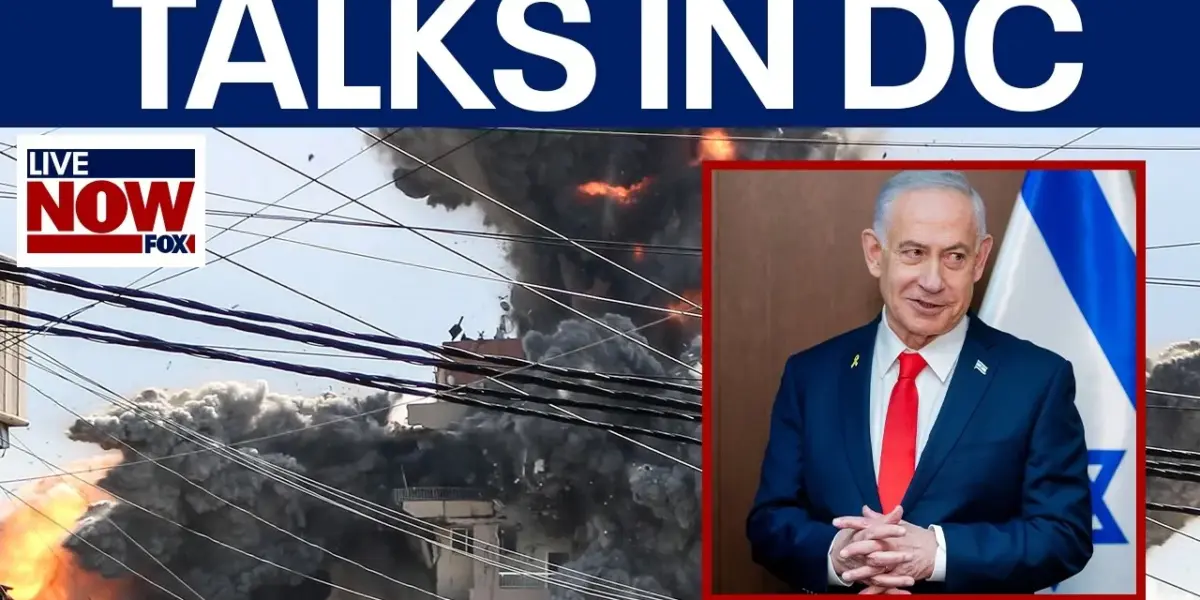
Israel Escalates Hezbollah Strikes Amid Diplomatic Push
Israel has ordered intensified strikes against Hezbollah in Lebanon, even as direct negotiations between the two nations are set to begin. The Israeli Prime Minister’s office stated that these actions are crucial for dismantling what it calls a “genocidal terror organization” threatening both Israeli and Lebanese civilians.
Direct Talks with Lebanon Begin
Prime Minister Benjamin Netanyahu instructed his team to start direct negotiations with Lebanon, following repeated requests from the Lebanese government. This move comes amid ongoing conflict and aims to address the threat posed by Hezbollah, which Israel describes as an Iranian terror proxy. Shosh Bedrosian, spokesperson for the Prime Minister’s office, emphasized the seriousness of the situation, stating, “What we are working to do… is to dismantle, to demilitarize, to disarm a terror organization.”
Hezbollah: The Core Problem, Not Lebanon
Bedrosian clarified that Israel’s operations are not against the Lebanese people but are aimed at freeing them from Hezbollah’s control. “This is not a conflict. This is not an operation against the Lebanese people. This is to free the Lebanese people of a terror regime that embeds themselves in the heart of civilian communities,” she explained. The spokesperson highlighted that Hezbollah’s infrastructure is often hidden within civilian areas, leading to confusion about the targets of Israeli strikes. “There is no reason why weapons and infrastructure of a terror organization should be underneath homes and inside of apartment buildings,” Bedrosian added, stressing that Israel targets these infrastructures to neutralize threats.
Why Peace Talks Exclude Beirut for Now
The current peace plan, involving the U.S., Israel, and Iran, does not initially include Beirut, making direct talks between Israel and Lebanon essential. Bedrosian explained that Prime Minister Netanyahu views dismantling Hezbollah as critical, referencing the events of October 7th as a stark reminder of the need to take threats seriously. “We have to believe this genocidal terror organization that’s up on our northern border,” she stated. The need for action was underscored by recent rocket sirens in central Israel, which were triggered by a long-range Hezbollah rocket, demonstrating the direct threat posed to Israeli citizens.
Two Key Objectives for Negotiations
The upcoming negotiations have two primary goals for Israel. First, to see Hezbollah disarmed. Bedrosian recalled a previous ceasefire in 2024 that was not upheld by Hezbollah, stating, “We are expecting these negotiations to get us to a place where there no longer is a terror organization.” Second, Israel seeks long-term peace and a stable relationship with Lebanon. “We want to be able to have a relationship with this country. You know, we used to have a relationship with Lebanon back in the day,” Bedrosian noted, expressing a desire for renewed trade and peaceful coexistence.
Media’s Role and Civilian Safety
Bedrosian criticized the media’s coverage, saying headlines often omit crucial context, leading to misunderstandings about why Israel is striking in civilian areas. “The question that most journalists… are not even asking… is why are there infrastructure, weapon depots, military sites located in the heart of civilian communities,” she posited. Israel claims to use “incredible intelligence” and conduct “precision strikes” to minimize civilian casualties, aiming to protect both its own population and the people of Lebanon. The IDF’s operations are described as a defense against threats, particularly after Hezbollah allegedly broke a ceasefire last month.
A Wider Regional Threat
The spokesperson emphasized that Hezbollah, along with other groups like Hamas and the Houthis, are funded and supported by the Iranian regime. “They are all funded and propped up by the Iranian terror regime, the Ayatollah regime,” Bedrosian stated. She described Hezbollah as the “number one terror proxy and the strongest proxy,” underscoring the urgency of confronting this organization. The ongoing operations are seen as a necessary step toward achieving a sustainable peace in the Middle East for everyone involved.
Looking Ahead
As direct talks between Israel and Lebanon commence, the world will be watching to see if these negotiations can lead to the disarmament of Hezbollah and a lasting peace. The effectiveness of Israel’s precision strikes in neutralizing threats while minimizing civilian harm, and the international community’s response to the situation, will be key factors in the region’s future stability.
Source: Netanyahu orders more strikes on Hezbollah despite peace talks in DC (YouTube)

Related Articles
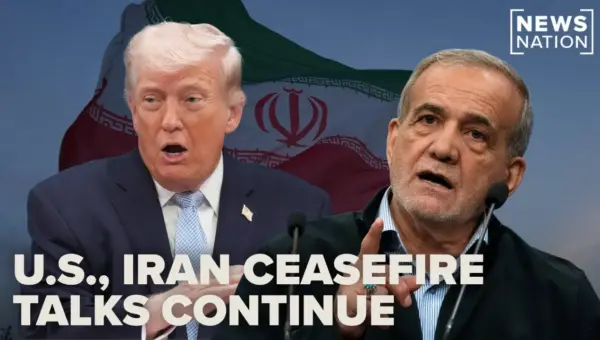
Iran Threatens Strait of Hormuz Amid Lebanon Strikes
Iran threatens to close the vital Strait of Hormuz in response to ongoing strikes in Lebanon. The US is trying to de-escalate, but actions on the ground remain a concern, potentially impacting global oil markets and future negotiations.

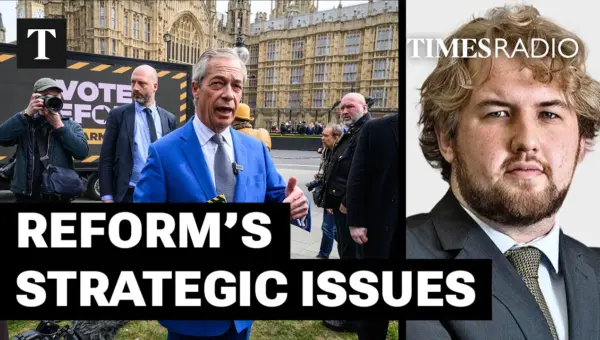
Reform Party Faces Challenge in Shedding ‘Trump Party’ Image
The UK's Reform Party faces pressure to distance itself from Donald Trump to broaden its appeal for government power. Meanwhile, international peace talks regarding the Iran conflict are hampered by deep divisions, with a negotiator describing the gaps as an "abyss." The geopolitical landscape is shifting, prompting discussions about alliances and leadership styles.

Middle East Tensions Rise Amid Ceasefire Violations
Middle East tensions are escalating as Iran is accused of violating a ceasefire, leading to rising oil prices and renewed strikes between Israel and Hezbollah. Meanwhile, Vice President J.D. Vance is preparing for crucial peace talks in Pakistan. In other news, First Lady Melania Trump has broken her silence to deny rumors linking her to Jeffrey Epstein.