Russia Faces ‘Disaster’ as Ukraine Strikes Deep
Former CIA analysts suggest Russia is facing a "disaster" as Ukrainian drone strikes hit deep within its territory, challenging its security. They detail Putin's miscalculations, Russia's economic fragility, and Ukraine's strengthened national identity. The discussion also touches on the complexities of security guarantees and the potential long-term benefits of Middle East instability for Ukraine.

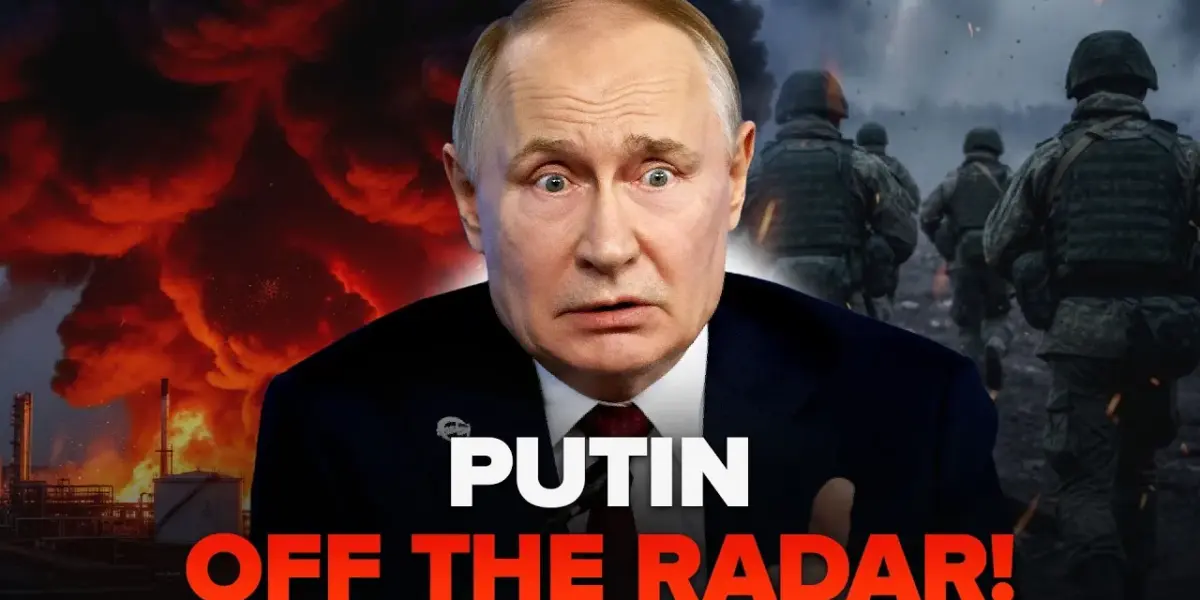
Russia’s Security Threatened by Ukrainian Drone Strikes
Russia is facing a critical military setback as Ukrainian forces successfully conduct drone strikes deep within Russian territory. This development marks a significant shift, challenging Russia’s previously held image of invincibility. A stark admission from Russia’s own National Security Council Secretary, Sergey Shoygu, stated that “no part of Russia can is safe anymore.” This statement is a serious admission from a nation that projected itself as the world’s most powerful empire just a few years ago.
Putin’s Miscalculation and Russia’s Economic Woes
Former CIA analysts Glenn Caron and Ralph Goff believe Russian President Vladimir Putin significantly miscalculated the outcome of his full-scale invasion of Ukraine. Putin likely expected a swift victory, but Ukraine’s resilience has defied those expectations. Now, Russia faces a protracted conflict that is damaging its own country.
The Russian economy, currently operating as a wartime economy, is showing signs of strain. While it appears robust due to increased military spending, this is not sustainable. As soon as the war ends, the economy is predicted to collapse because Russia is not producing goods that the global market demands. Historically, Russia has been described as a “giant gas station,” but even that is weakening. Efforts by the West to reduce reliance on Russian oil and gas have cost Putin crucial markets in Europe, likely permanently.
Ukraine’s Resilient Spirit and National Identity
During visits to Ukraine, former CIA officers Caron and Goff were deeply impressed by the Ukrainian people’s resilience and spirit. Despite facing aggression and hardship, Ukrainians remain welcoming and continue with their daily lives. Even during harsh winters, when Russian attacks disrupted electricity, the people did not complain. This unwavering spirit is a testament to Ukraine’s strengthened national identity, which has been solidified by Putin’s invasion.
“Vladimir Putin gave them I call it a bloody gift with his full-scale invasion,” Goff stated. “Ukrainian national identity was maybe not 100% defined before that, but after that, it became 100% defined.” This strengthened identity fuels their determination to resist.
Strategic Implications and Russia’s Weakening Position
The ability of Ukraine to strike deep into Russia fundamentally alters the strategic landscape. It demonstrates Ukraine’s growing capability to project power beyond its borders, directly impacting Russian security and morale. This forces Russia to divert resources and attention to defending its own territory, rather than focusing solely on offensive operations in Ukraine.
Furthermore, Russia’s economic isolation is deepening. Loss of European energy markets and reliance on selling resources cheaply to China positions Russia as a subordinate state. This economic vulnerability, coupled with significant military losses, weakens Putin’s position both domestically and internationally. The analysts suggest that China is a major beneficiary, observing Russia’s decline.
Historical Parallels and Putin’s Regime
Caron described Putin’s regime as a continuation of Russian history, similar to the Tsarist era and the Soviet Union. He noted that a small group has historically terrorized its own people, lied about foreign threats, and maintained control for personal benefit. Russia possesses vast wealth, but past rulers and Putin have failed to make the country economically prosperous.
Goff expressed disappointment that the Russian people did not recognize the destructive path Putin was leading them down. He believes that despite the rise of globalization and social media, Russia did not awaken to embrace the outside world. Instead, they allowed themselves to be misled by Putin, leading towards the potential destruction of the Russian state.
No Imminent Collapse, Focus on Ukraine’s Future
Despite the internal pressures and external setbacks, the former CIA analysts do not foresee an imminent collapse of the Russian state. They acknowledge that while the system is fragile, historical precedents suggest such fragility could lead to chaos rather than a controlled transition.
Instead of focusing on Russia’s collapse, the priority should be ensuring Ukraine’s stability and security. The goal is to end the war on just terms for Ukraine, rebuild the nation, and showcase it as a prosperous, democratic model. This would serve as a powerful example for people in Russia, demonstrating an alternative to authoritarian rule and offering civil liberties, freedom of expression, and a decent quality of life.
The Real Reason for the War
Contrary to Russian propaganda about NATO expansion, the war’s true origin lies in Putin’s fear of a growing, democratic, and Western-oriented Ukraine. A prosperous Ukraine with a large Russian-speaking population would serve as a potent example to Russians, questioning their own system. The initial protests in Ukraine, the Maidan, were driven by a desire to align with the West, a move Putin found deeply threatening.
Security Guarantees and Territorial Integrity
Regarding security guarantees for Ukraine, the U.S. position is complex. While reports suggest discussions about Ukraine potentially ceding territory like the Donbas, the U.S. has not officially demanded such concessions. The U.S. role appears to be relaying Russian demands and Ukrainian responses. However, the analysts stress that Ukraine should not be pressured to give up territory not already lost, and any occupied land since 2014 should remain recognized as Ukrainian.
Historically, the U.S. has not recognized the annexation of territories, such as the Baltic states by the Soviet Union. The same principle should apply to Crimea and other occupied regions. While a ceasefire and diplomatic resolution for disputed territories are possible, recognition of Russian claims is unacceptable.
Impact of Middle East Conflict on Ukraine
The recent conflict in the Middle East, specifically involving Iran, is seen as a short-term disadvantage but a long-term advantage for Ukraine. Iran has been supplying Russia with weapons, including drones, for years. The confrontation with Iran is seen as necessary and could foster closer ties between Israel and Ukraine.
Moreover, this situation presents an opportunity for Ukraine to share its advanced drone and counter-drone technology with Arab states. Ukraine’s expertise in this area, highlighted by experts, could help these nations defend themselves against Iranian aggression. This collaboration could benefit Ukraine financially and contribute to a coalition that weakens both Russia and Iran.
Source: 😱Putin OFFLINE! Russia RUNS OUT of options. Military DISASTER @WorldatStake24 (YouTube)

Related Articles

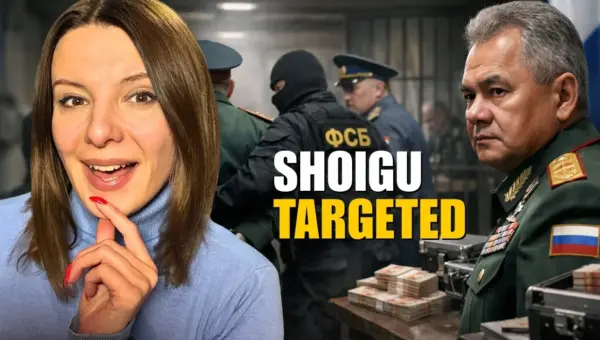
Putin Purges Defense Circle Amid War Woes
President Putin is reportedly purging allies of Defense Minister Sergei Shoigu, arresting deputies on corruption charges. This move may aim to deflect blame for military failures or weaken Shoigu's influence amid growing internal dissent.

NATO Allies Urged to Step Up Support for US
Retired Navy SEAL Mike Cirelli urges NATO allies to increase their support for U.S. international efforts, citing delays in crucial operations. NATO's chief acknowledges past slow responses, while Cirelli emphasizes the need for allies to take greater responsibility for global security, especially concerning energy supplies.
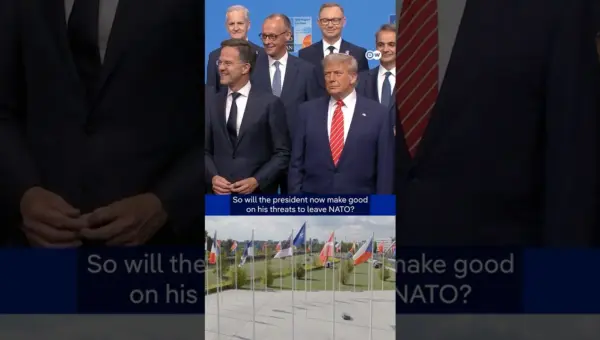
Trump’s NATO Frustration Fuels Exit Threats, Alliance Faces Crisis
President Trump's frustration with NATO allies over Iran policy has intensified, leading to renewed threats of withdrawal. While legal avenues exist to potentially block a full exit, the U.S. could significantly weaken the alliance by simply withdrawing support and troops, raising concerns among European nations.