House Republicans Block Iran War Powers Vote
House Republicans blocked a Democratic effort to limit U.S. military action in Iran, intensifying political debate. Meanwhile, discussions on funding for the Department of Homeland Security are ongoing, with reconciliation being explored as a legislative path forward amidst geopolitical tensions with Iran.

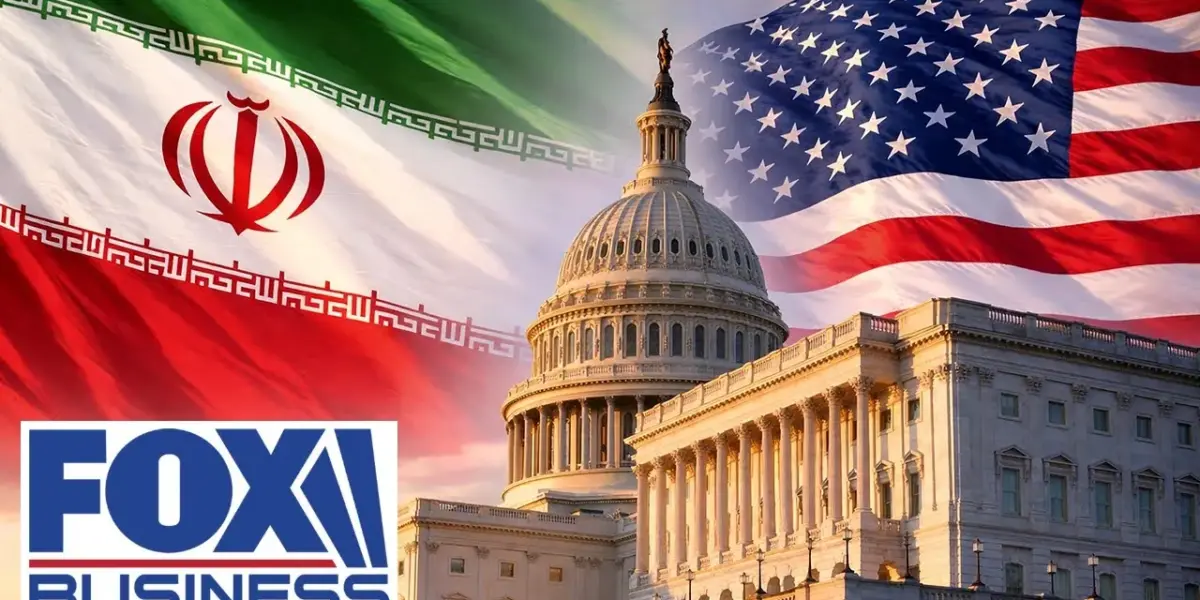
House Republicans Block Iran War Powers Vote Amidst Escalating Tensions
House Republicans have blocked a Democratic attempt to limit U.S. military action in Iran. The move occurred during a pro forma session, a brief meeting when Congress is mostly out of town. This action intensifies the debate over America’s role in the region and its involvement with Iran.
Democrats Push for War Powers Resolution
House Minority Leader Hakeem Jeffries stated that Democrats are actively talking with Republicans to gain enough votes for an Iran War Powers Resolution. He believes a small number of Republican votes are needed to pass the measure. Jeffries expressed a desire to stop what he called a “reckless war of choice.” Democrats plan to force another vote upon their return to session, needing only a few Republicans to join them.
“We’re in active conversations with Republicans to secure an additional handful of Republican colleagues which is all we will need to join House Democrats in stopping this reckless war of choice,” stated Hakeem Jeffries.
Republican Counterpoint: Presidential Authority
South Carolina Congressman Russell Fry criticized the effort, emphasizing the founders’ intent for a single Commander-in-Chief. He argued that Congress micromanaging the President on foreign conflicts is not practical for the country. Fry suggested that Democrats are playing politics, motivated by opposition to President Trump rather than genuine concern about Iran.
“The founders were genius, that had one Commander in Chief and not 535. Congress has an obligation in some ways to assist in matters of international importance but to micromanage the President with 535 CEOs of the country doesn’t make a lot of sense to me,” Congressman Fry explained.
Israel-Lebanon Negotiations and Iran Ceasefire Threats
Meanwhile, Prime Minister Benjamin Netanyahu announced Israel is ready to begin negotiations with Lebanon as soon as possible. The primary focus remains on disarming Hezbollah. These talks are expected to occur in Washington. However, Iranian officials are threatening to end the current ceasefire with the U.S. They are unhappy that Hezbollah was not included in a truce deal, a condition the U.S. says was never part of the agreement.
Department of Homeland Security Funding Debate
Separately, discussions continue regarding funding for the Department of Homeland Security (DHS). Senate Republican leaders are meeting with the President to discuss funding and immigration enforcement within DHS. Their strategy aims to avoid agreeing to Democratic demands on immigration policy. This effort is part of a two-step plan to prevent a government shutdown.
Kevin Hassett, speaking on the matter, indicated that priorities are clear, with funding DHS being a top concern. He believes this can be achieved using reconciliation, a special legislative process that bypasses the need for a supermajority vote. The specifics of this funding are still being negotiated, but Homeland Security is considered a top priority.
Reconciliation as a Path Forward
There is discussion about potentially using reconciliation for one or two bills. Some lawmakers expressed a preference for two reconciliation bills, one now and another in the fall. The goal is to secure funding for DHS, particularly for Immigration and Customs Enforcement (ICE) and Customs and Border Protection (CBP) operations. These operations are seen as crucial for border security.
Congressman Michael Rulli suggested that the House is close to an agreement and expects DHS funding to be approved this week. He highlighted that the allocation of funds and the ICE component are key sticking points for Democrats. Speaker Johnson is reportedly working on these details to find a path acceptable to the Senate.
Stalemate in the Senate
The House has passed measures to fully fund DHS multiple times. However, the Senate faces challenges in reaching the necessary 60 votes to pass such legislation. The current situation suggests the Senate needs to resolve its internal issues to move forward. The House remains ready to act once the Senate passes its version of the bill.
Market Impact
The political gridlock in Washington over both the Iran War Powers Resolution and DHS funding creates uncertainty. For investors, ongoing debates about military action and government spending can influence market sentiment. Geopolitical tensions involving Iran can affect energy prices and global stability. The inability to pass essential funding bills, like for DHS, can also signal broader fiscal challenges, potentially impacting confidence in government operations.
What Investors Should Know
Investors should monitor developments in the Middle East, as any escalation involving Iran could have ripple effects on global markets, particularly oil prices. Domestically, the ongoing budget battles and debates over war powers highlight political divisions that could impact economic policy and government stability. The focus on securing DHS funding, especially for border operations, suggests a continued emphasis on security issues. The use of reconciliation for funding indicates a willingness by some lawmakers to pursue legislative goals through less conventional means, which could have long-term implications for fiscal policy.
Source: SHOCK BLOCK: Republicans THWART Democrats as Iran powers clash intensifies (YouTube)

Related Articles

Buttigieg Spars With MAGA Host Over Iran War Claims
Transportation Secretary Pete Buttigieg and a MAGA host clashed over Iran's nuclear program and the justification for military action. The debate highlighted differing views on presidential credibility and American strength.

Trump’s Iran War: A Costly Disaster at Home and Abroad
Critics are calling the recent conflict with Iran an "unmitigated disaster," highlighting a failure to achieve regime change and significant costs at home. The war has resulted in American lives lost, billions spent, and rising gas prices, raising serious questions about its worth.


Lebanon Reels: Nowhere Feels Safe Amidst Escalating Conflict
Lebanon is reeling from a devastating Israeli strike on Beirut, labeled "Black Wednesday," which claimed over 300 lives and revealed a shift in targeting strategies. The escalating conflict has shattered the sense of safety across the nation, impacting even traditionally secure areas and displacing over a million people.