Russia Reels as Floods Submerge Cities, Expose Systemic Failures
Devastating floods have submerged cities and towns across Russia, exposing systemic failures in infrastructure maintenance and disaster preparedness. Dam failures, ongoing neglect, and alleged corruption have worsened the crisis, particularly in Dagestan. The situation raises questions about resource allocation as the nation continues its military operations in Ukraine.

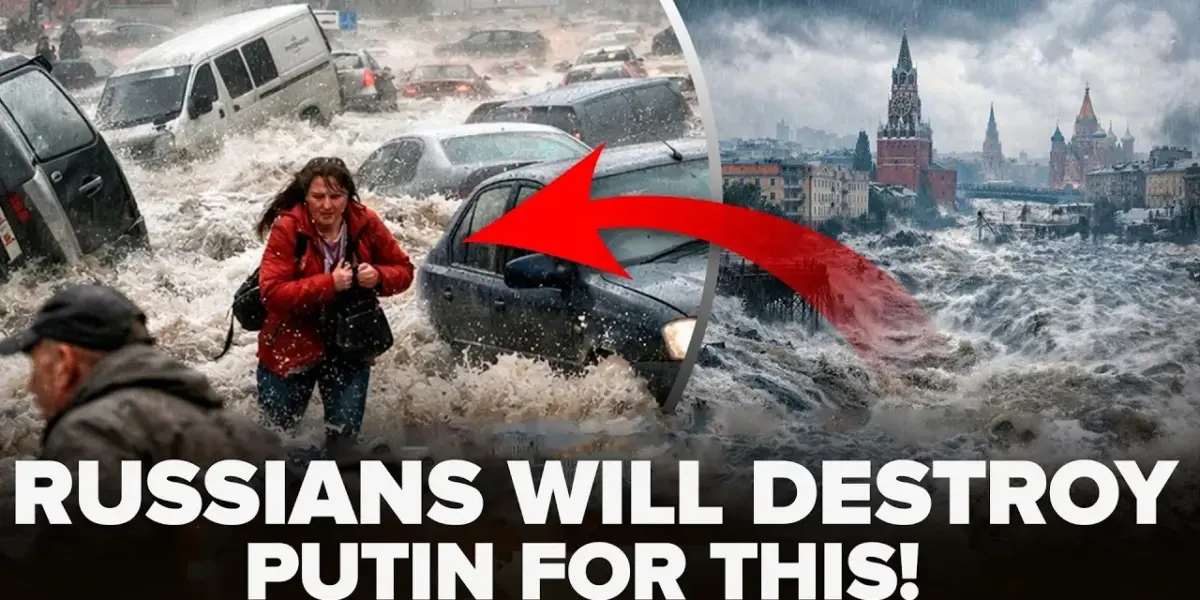
Russia Faces Devastating Floods, Exposing Infrastructure Weaknesses
Unprecedented flooding has swept across central European Russia, impacting major river basins including the Volga, Urals, Siberia, and the Far East. The situation has been particularly dire in Dagestan and Chechnya, regions unaccustomed to such widespread inundation. For the first time in over a century, Dagestan has experienced flooding of this magnitude. Official reports indicate that more than 1,000 residential buildings and numerous household plots have been submerged. At least 17 bridges have sustained damage, disrupting vital transportation links. In Makhachkala, the capital of Dagestan, a state of emergency was declared following heavy rainfall, prompting the evacuation of residents from their homes.
Dam Failures Worsen Crisis in Dagestan
The crisis in Dagestan was significantly exacerbated by the failure of critical infrastructure. In the Derbent district, the Gaduk Reservoir Dam burst on April 6th. This rupture released a powerful surge of water that flooded the village of Mamedkala, forcing the evacuation of thousands. Tragically, a woman and a child lost their lives in this incident. Investigations revealed that the reservoir had been officially classified as dangerous and in need of reconstruction as far back as 2006. Despite this classification, a full modernization was never completed, leaving the dam vulnerable to heavy rainfall and overflow.
The collapse of the dam inundated several settlements, destroying homes and vital infrastructure. In a worst-case scenario, four settlements with a combined population exceeding 20,000 people were at risk. Over 4,000 residents were evacuated as a precautionary measure. A particularly tragic event occurred on the highway between Mamedkala and Gadzhi-Uze, where several cars were swept from the road by the floodwaters, leading to the deaths of the woman and child and leaving two others missing.
Systemic Issues and Negligence Cited
The GU reservoir, operational since 1966, had been flagged for needing reconstruction over 15 years prior. While some hydraulic elements were upgraded in 2014, the overall modernization remained incomplete. Compounding the issue, the facility is reportedly managed by a state enterprise undergoing liquidation, raising questions about accountability and maintenance oversight. Further downstream from Mamedkala, a bridge on the federal Koks Highway collapsed. This collapse occurred despite prior plans for repairs that were never implemented, highlighting a pattern of deferred maintenance.
Other urban areas also suffered significant damage. In Derbent, railway bridges were destroyed, and several settlements were submerged. The Kakhi district declared a state of emergency due to rising water levels in the Uluchay River. In the village of Novokulush, three houses were destroyed, and several more were at risk. Infrastructure in the district sustained severe damage, with road and pedestrian bridges collapsing. This left nine villages cut off from the district center, accessible only via a lengthy detour.
Wider Impact and Historical Parallels
The flooding extended beyond Dagestan. In Derbent, a local market was washed away. Makhachkala saw a three-story residential building collapse after its foundation was eroded by floodwaters. Residents of nearby buildings were evacuated, and authorities indicated the damaged structure would likely need demolition. A criminal case has been initiated, citing negligence and chaotic urban development as contributing factors. In a single day, at least three people died in Dagestan due to severe weather, with another fatality attributed to a landslide. This marks the second significant flood event in the region within two weeks.
Chechnya also experienced severe flooding, affecting hundreds of households and displacing thousands. Hundreds of rescue workers and dozens of equipment units were deployed. Entire districts lost electricity, with over 1,000 homes cut off. More than 100 houses were destroyed, and over 3,000 were damaged. While authorities claimed floodwaters had receded by April 3rd, six settlements remained inaccessible. Total losses to road infrastructure exceeded 8 billion rubles.
The Urais region experienced a similar disaster in spring 2024. A dam in Orsk burst on April 5th, submerging the city. Over 4,000 homes in Orsk were flooded, and more than 20 regions were affected. Prosecutors cited untimely maintenance as the cause of the dam failure, which occurred after water levels exceeded its design capacity by 4 meters. Residents protested the authorities’ response, reporting that over 180,000 compensation claims were denied.
Economic and Environmental Context
Flooding is a recurring problem across Russia, causing approximately 75 billion rubles in annual damage through destruction of infrastructure, housing, and agricultural losses. This represents about 0.1% to 0.13% of the country’s Gross Domestic Product (GDP). Scientists warn that climate change is likely to increase the frequency and severity of large-scale floods, leading to greater economic damage. While southern regions, the Far East, and parts of central Russia typically suffer the most, the 2026 events have highlighted Dagestan as a particular epicenter.
Oksana Fomina, a former Moscow municipal deputy, suggests that systemic issues, including ineffective governance and corruption, are key reasons for the ongoing unpreparedness. She believes that funds allocated for critical infrastructure, such as drainage systems, are often misappropriated. This pattern of inadequate maintenance and alleged corruption is a familiar concern for many Russians. Locals in Dagestan also point to illegal construction and a lack of proper permits as significant factors contributing to the vulnerability of urban areas. Despite reports of substantial spending on storm water systems, residents note that even newly built roads have flooded, indicating potential misallocation or ineffective implementation of funds.
Strategic Implications
The widespread flooding and infrastructure failures in Russia occur while the nation continues its military operations in Ukraine. Critics argue that significant resources are being diverted to the conflict, potentially at the expense of domestic preparedness for natural disasters. The disaster highlights a stark contrast between the government’s focus on external territorial ambitions and the internal challenges of maintaining basic infrastructure and ensuring public safety. The ability of regions to respond effectively to such crises is crucial for national stability and the well-being of its citizens. The ongoing conflict may further strain resources that could otherwise be used for disaster relief and infrastructure repair, potentially exacerbating the long-term impact of these floods.
Source: 😱END OF THE WORLD in Russia. Floods DESTROY EVERYTHING: entire streets SUBMERGED. Russians in PANIC (YouTube)

Related Articles


Philly Parking Garage Collapse: 3 Dead, Recovery Efforts Underway
Three construction workers are dead following a catastrophic collapse at a parking garage under construction in Philadelphia. Rescue efforts transitioned to recovery after search dogs found no signs of life. An investigation into the cause of the tragedy is now underway.


Germany’s Climate Goals Falter Amidst Policy Mixed Signals
Germany's reputation as a climate leader is under threat as a new report reveals stalled progress in reducing greenhouse gas emissions. Despite ambitious goals, mixed policy signals and proposed rollbacks on green initiatives are raising concerns about the nation's commitment to its climate targets. Experts warn that a lack of clear strategy could jeopardize Germany's ability to meet crucial emission reduction deadlines.


US Faces Rising Business Fires: A Growing Economic Threat
Massive fires are increasingly engulfing businesses across the US, posing a significant economic threat. From industrial blazes in California to hazardous material incidents in Los Angeles, these infernos endanger livelihoods and communities. The growing danger highlights the immense risks faced by firefighters and the critical need for enhanced prevention and response strategies.