US Draft Registration System Gets Digital Upgrade
Starting in December, men in the U.S. will be automatically registered for the military draft pool, a move aimed at saving money and streamlining the Selective Service System. This change simplifies registration but does not signal an immediate return to the draft itself, which requires Congressional action.

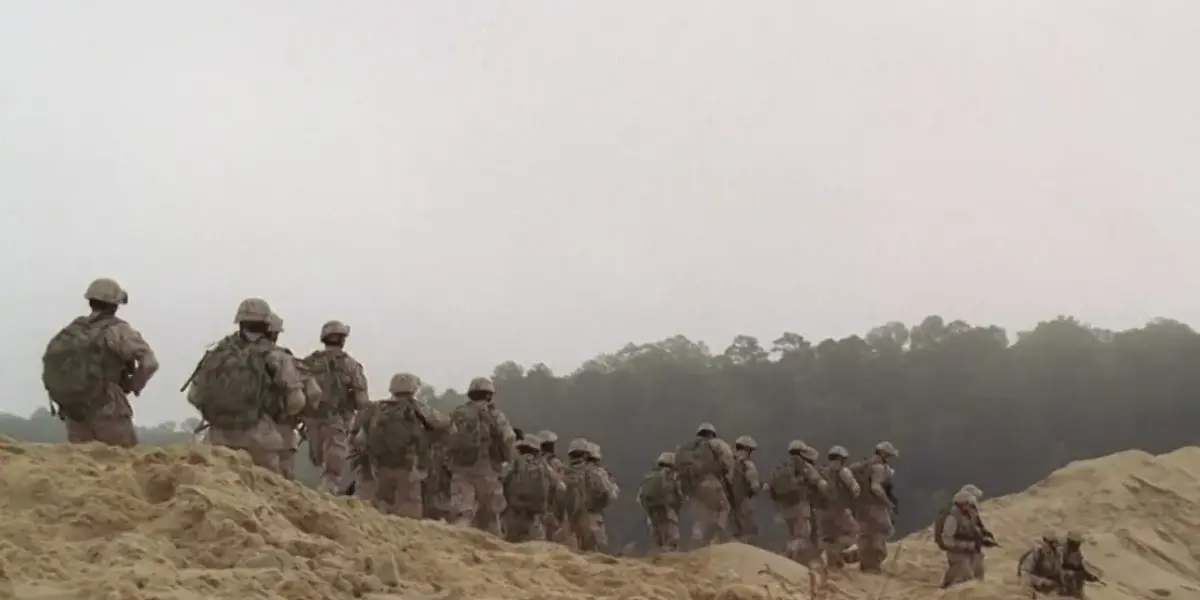
US Draft Registration System Gets Digital Upgrade
Starting this December, all eligible men in the United States will be automatically signed up for the military draft pool. This change means the government will handle registration instead of individuals having to sign up themselves. While this might sound like the draft is returning, it’s important to understand this is just about registration. A real draft would require an act of Congress and a national emergency, something the country hasn’t seen since the Vietnam War.
This new system has support from both Republicans and Democrats. They believe it will save money and make the Selective Service System run more smoothly. The plan was already approved in the last defense bill and is now being finalized. The current system relies on men signing themselves up, often with reminders posted in places like post offices. Some states already have automatic registration or allow registration when people get their driver’s licenses.
How the System Will Work
The Selective Service System maintains a database of men who could be called to serve if the military needs them during a national emergency. Previously, men had to actively register themselves when they turned 18. Under the new rules, this process becomes automatic. This shift helps the government save money by cutting down on outreach efforts, like posters and mailings, that remind people to sign up.
A few states already use automatic registration, and many others offer the option on driver’s license applications. Some states even require people to actively opt out if they don’t want their information shared with the Selective Service when getting their licenses. This new nationwide system aims to create a more efficient and complete database.
Concerns and Future Implications
Some anti-war activists have expressed concerns, telling The New York Post that they worry this is a government data grab. They also fear that illegal immigrants and green card holders might be targeted. It is important to note that women are still not required to register for the draft.
The White House has stated that all options are on the table regarding national security during times of war. However, the current change is purely administrative. It streamlines the registration process, making it more efficient. The actual decision to implement a draft would be a major political and legislative event, separate from this registration update.
Global Impact
While this change focuses on domestic registration, it touches on broader themes of national preparedness and government efficiency. In an era where global events can quickly escalate, nations often review their readiness capabilities. This move signals a commitment to maintaining a functional system for potential future needs, even if those needs are unlikely in the short term.
The system’s modernization also reflects a trend towards digital solutions in government operations. By automating registration, the U.S. aims to ensure a more complete and accurate record of potential service members. This could be seen as a proactive step in national defense planning.
Historical Context
The United States has a long history with military conscription. The draft was used extensively during World War I, World War II, the Korean War, and the Vietnam War. The Selective Service System was established to manage this process. After the Vietnam War, the draft ended, and the U.S. moved to an all-volunteer military. However, the legal requirement for men to register with the Selective Service has remained.
This current update is the most significant change to the registration process since the end of the Vietnam War draft. It brings the system into the digital age, relying on government databases rather than individual action. The goal is to create a more robust and reliable system for national emergencies.
Economic Considerations
The primary economic driver behind this change is cost savings. The current system requires significant resources for outreach and processing individual registrations. Automating the process, especially by using existing government data from sources like the Social Security Administration and state motor vehicle departments, is expected to reduce administrative costs. This efficiency gain is a key reason for the bipartisan support the change has received.
By removing the need for extensive public awareness campaigns and manual processing, the Selective Service can operate with a smaller budget. This aligns with broader efforts to make government agencies more efficient and cost-effective. The money saved can then be redirected to other critical defense or national security priorities.
Future Scenarios
The most likely future scenario is that this automated registration system will become the standard operating procedure. It improves efficiency and ensures a more comprehensive database without requiring a draft. The possibility of a future draft remains low, as it would necessitate a severe national emergency and a specific decision by Congress.
A less likely scenario involves legal challenges or public outcry that could force modifications to the system, particularly regarding data privacy or the inclusion of certain groups. However, given the bipartisan support and the focus on administrative efficiency, significant roadblocks are not anticipated. The system’s primary function remains to be prepared, not to actively draft individuals.
Source: Selective Service: Men to be auto-registered in draft pool this December | Morning in America (YouTube)

Related Articles

Congress Faces War, Shutdown Chaos Upon Return
Congress returns to a nation grappling with a prolonged government shutdown and heightened international tensions. Lawmakers face pressure to fund agencies, pass key legislation, and address military readiness amid global competition. The coming weeks will test their ability to navigate these complex challenges.


Draft Registration Sparking Fears of War
A new law automatically registers men aged 18-25 for the military draft, sparking fears of a return to conscription. This change, coupled with rising global tensions and aggressive presidential rhetoric, raises questions about public willingness to engage in future conflicts and the government's use of citizen data.

Congress Faces War, Shutdown as Iran Conflict Cools
Congress returns to a nation grappling with a lengthy government shutdown and heightened geopolitical tensions following recent conflict with Iran. Lawmakers face pressure to fund agencies, pass key legislation, and address national security concerns, including global competition with China.