MAGA’s Fury: Trump’s Iran Deal Sparks Internal Conflict
Donald Trump's supporters are divided and angry over his handling of the Iran situation. Many feel he surrendered by accepting a ceasefire, despite not wanting the conflict in the first place. This internal conflict raises questions about the MAGA movement's foreign policy goals.

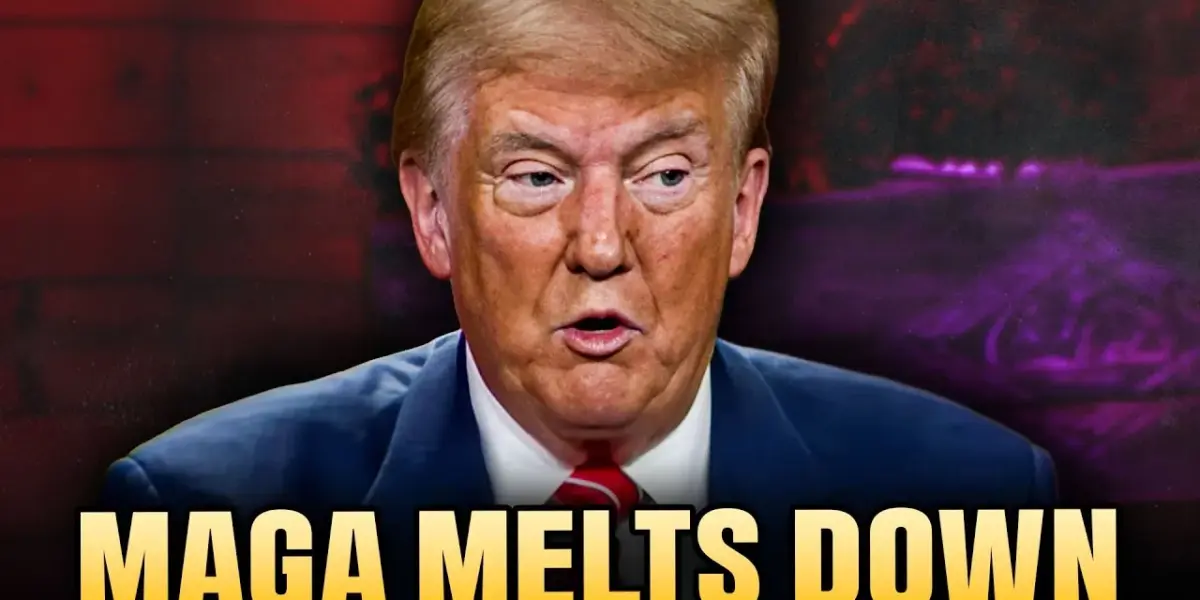
MAGA’s Fury: Trump’s Iran Deal Sparks Internal Conflict
Donald Trump’s recent actions regarding Iran have created a deep rift within his own MAGA supporters. Many are feeling confused and angry, unsure of how to react to the situation. Trump had promised to avoid new wars, especially with Iran. He even warned voters that electing Kamala Harris would lead to conflict with that nation. Now, it seems his prophecy has come true, leaving many MAGA followers feeling betrayed.
The core of the problem lies in Trump’s apparent decision to accept a ceasefire, which many of his supporters view as a surrender. They are unhappy that their leader seems to have backed down. This feeling is amplified by the fact that the conflict itself was something many MAGA supporters did not want in the first place. They believed Trump campaigned on a platform of peace, not escalation.
Supporters Voice Disappointment
Social media comments reveal the depth of this discontent. One supporter wrote, “A ceasefire that leaves the IRGC in power isn’t peace. It’s permission. Permission to regroup. Permission to rearm. Permission to do it all over again. That’s not a win. That’s a delay.” This sentiment highlights a fear that the situation is only being postponed, not truly resolved. The concern is that Iran will use this pause to strengthen itself, potentially becoming a greater threat later.
Another comment expressed a similar worry: “This is a cancer. If you don’t fully get rid of a cancer, it will grow back. China will help. Russia will help. And we will have a nuclear fully stockpiled, more knowledgeable Iran for our children and grandchildren to deal with.” This view paints Iran as an existential threat that requires complete eradication, not negotiation. The idea of Iran acquiring nuclear weapons is a major point of anxiety for these individuals.
A third comment shows extreme frustration: “I’m extremely disappointed in President Trump tonight. I don’t understand how you can possibly believe anything the IRGC says. [Expletive] that. End this [expletive] [expletive] already. You can’t negotiate with [expletive] terrorists for [expletive]’s sake.” The language here is strong and emotional, reflecting a deep anger at what is perceived as Trump’s failure to take decisive action against a perceived enemy.
The Paradox of MAGA’s Anger
The situation presents a strange paradox. MAGA supporters are upset that Trump is leaving a conflict they initially opposed. They are angry that he didn’t achieve a decisive victory in a war they didn’t want him to start. This internal conflict in their desires leaves many struggling to understand their own feelings and Trump’s actions.
The criticism suggests a desire for an extreme outcome, perhaps even a complete military solution. This is confusing because it contradicts the initial stance against new wars. It raises questions about what these supporters truly want. Are they looking for a show of force, regardless of the cost? The intensity of their disappointment suggests a demand for a level of action that seems to defy their stated goals.
Questioning the Threat
Beyond the MAGA base, there’s a broader question about the actual threat Iran posed to the United States. For many, Iran was a distant issue, not a pressing danger. The narrative that Iran was an immediate threat seems to have been amplified recently. It’s possible that many people only became aware of Iran as a significant threat due to the escalating tensions.
The decision to engage with Iran, potentially influenced by external advice like that from Benjamin Netanyahu, is now being scrutinized. Trump’s supporters are now upset that he is stepping back from the confrontation he initiated. This creates a confusing situation where the initial action and the subsequent de-escalation are both met with anger.
A Mirror of Uncertainty
The reaction from MAGA supporters can be seen as a reflection of the uncertainty surrounding the situation. They are unhappy with the perceived weakness of their leader and the international mockery that follows. The mixed signals from the ceasefire, with continued violence, only add to the confusion and frustration. It appears that there is no easy answer, and Trump’s handling of the situation has left even his staunchest allies feeling lost.
Why This Matters
This internal conflict within the MAGA movement is significant. It shows that even a devoted base can become disillusioned when actions don’t match promises or expectations. The debate over foreign policy, particularly regarding military engagement and diplomatic solutions, is crucial for national security. When a political movement struggles to articulate a clear and consistent stance on such issues, it can lead to unpredictable foreign policy decisions and a loss of public trust.
Implications, Trends, and Future Outlook
The current situation highlights a potential trend of MAGA supporters becoming more critical of Trump’s specific policy decisions, even if they remain loyal to his overall persona. This could lead to more internal debate within the movement. It also raises questions about how future foreign policy challenges will be handled. Will the focus be on de-escalation, or will there be a continued push for more aggressive action?
The mixed signals regarding the ceasefire suggest that achieving lasting peace in volatile regions is incredibly difficult. It requires clear communication, consistent action, and a unified approach from all parties involved. The future outlook for resolving conflicts like the one with Iran will depend on whether leaders can navigate these complexities effectively and gain the trust of both domestic and international audiences.
Historical Context
The relationship between the United States and Iran has been complex and often tense for decades. Following the 1979 Iranian Revolution, diplomatic ties were severed, and relations have been strained ever since. Issues such as Iran’s nuclear program, its support for various militant groups, and regional rivalries have consistently fueled tensions. Previous U.S. administrations have employed various strategies, from sanctions to diplomatic engagement, in an attempt to manage this relationship. Trump’s approach, characterized by a more confrontational stance and withdrawal from international agreements like the Iran nuclear deal, marked a significant shift in U.S. foreign policy towards Iran.
Source: MAGA TURNS On Trump After He Surrendered To Iran (YouTube)

Related Articles
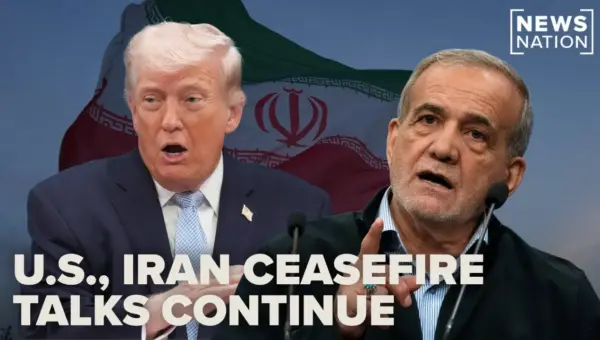
Iran Threatens Strait of Hormuz Amid Lebanon Strikes
Iran threatens to close the vital Strait of Hormuz in response to ongoing strikes in Lebanon. The US is trying to de-escalate, but actions on the ground remain a concern, potentially impacting global oil markets and future negotiations.
Senator Slams Jeffries’ Iran Stance, Cites Nuclear Threat
Senator Rick Scott sharply criticized House Democratic Leader Hakeem Jeffries over his stance on Iran, calling him an "idiot" for seeking to limit the President's authority. Scott highlighted the threat of Iran developing nuclear weapons. The discussion also covered President Trump's stance on NATO and the ongoing DHS funding shutdown.

Iran’s Hormuz Threat: A Known Tactic, Not New
Recent conflict did not teach Iran a new tactic by threatening to close the Strait of Hormuz. Experts and Iranian planners have long understood this strategic leverage. The effectiveness of the recent shutdown was tied to global perceptions of the preceding conflict's instigator, not a newfound Iranian capability.