Iran’s Fragile Ceasefire Shattered by Explosions, Ambush
Mysterious explosions have erupted across Iran amidst a fragile ceasefire, while U.S. diplomats in Iraq faced a violent ambush. The Strait of Hormuz remains largely closed, and reports suggest a shadow war is escalating, with Iran's hardliners seemingly gaining more control.

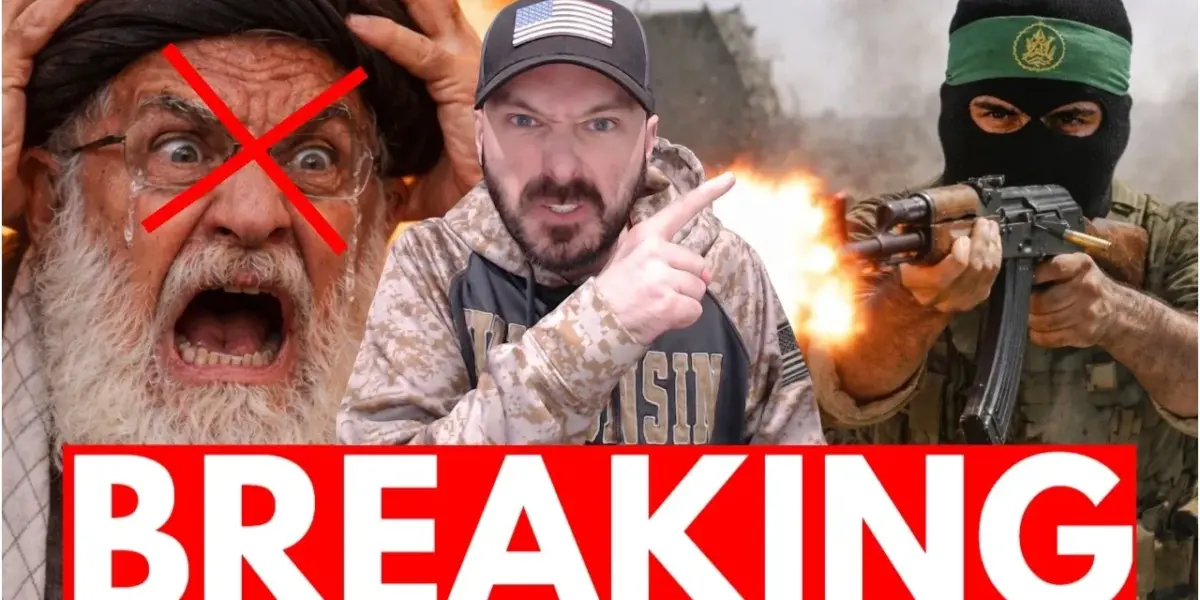
Iran Reels from Mysterious Blasts, Diplomat Ambush Amidst Ceasefire
Reports of mysterious explosions across Iran have surfaced, casting a shadow over a seemingly fragile ceasefire. These events, occurring just days after a supposed end to hostilities, signal a dangerous escalation. Adding to the turmoil, U.S. diplomats in Iraq were reportedly ambushed by Iranian-backed forces. This incident, occurring despite the ceasefire, highlights the ongoing tensions and the risks faced by diplomatic personnel.
Explosions Rock Tehran
Overnight, social media buzzed with reports of multiple explosions in northeastern Tehran. Open-source intelligence accounts, including Shin and Ozent Defender, shared information from sources on the ground. These reports described several blasts occurring in quick succession. The Iranian government has not officially addressed these explosions, and no group has claimed responsibility. It remains unclear if these were related to anti-aircraft fire or something more deliberate. This lack of clarity fuels speculation about the nature and origin of the blasts.
A Shadow War Unfolds
The explosions in Tehran come at a time when a fragile ceasefire is supposedly in effect. However, reports of anti-aircraft activity, explosions, and drone incursions have persisted daily since the ceasefire began. Multiple Iranian drones have reportedly been shot down, and a U.S. drone recently disappeared in the Persian Gulf near Iran, raising concerns it may have been targeted. This suggests a potential “shadow war” is underway, with covert attacks continuing even as official hostilities are meant to be paused. Kuwait also recently scrambled its air defenses after drones entered its airspace, with initial reports suggesting they came from Iran, though Iran denied involvement and pointed to Iranian-backed forces in Iraq.
U.S. Diplomats Targeted in Iraq
Adding to the concerning developments, U.S. diplomats in Iraq faced a violent ambush on April 8th. The official U.S. Embassy account confirmed the attack, noting it followed weeks of similar incidents targeting U.S. citizens, diplomatic facilities, and commercial interests. The ambush underscores the dangerous environment in Iraq and the persistent threat from Iranian-backed groups. Fortunately, reports indicate all diplomats involved escaped the ambush safely. This incident serves as a stark reminder that diplomats are supposed to be protected, even in times of conflict.
Fighting Spreads to Iraq Airspace
Simultaneously, U.S. forces in Iraq engaged a drone attack near the Hayer Air Base, a location housing U.S. personnel. Footage captured air defenses being deployed and drones in the sky. U.S. forces successfully intercepted at least one drone. These attacks are believed to originate from Iranian-backed militias, which take orders directly from Iran’s Islamic Revolutionary Guard Corps (IRGC). The ongoing drone activity demonstrates that the conflict is actively spilling into Iraqi airspace and directly impacting U.S. forces.
Internal Unrest and Roadblocks
There are also indications of internal unrest within Iran. Footage has emerged, allegedly showing Iranian forces being targeted by unknown assailants in Iran. The video includes sounds of gunshots, suggesting clashes within the country. Meanwhile, in Esfahan, the site of Iran’s enriched uranium facilities, authorities have reportedly set up roadblocks and barricades. This defensive posture suggests awareness of potential external operations, possibly a ground raid to secure nuclear materials. The increased security measures indicate a heightened state of alert and preparedness for various scenarios.
Strait of Hormuz Remains Closed
The situation concerning the Strait of Hormuz remains a critical point of contention. Despite the ceasefire agreement, which was supposed to include reopening the vital waterway, it remains largely closed. President Trump has expressed extreme frustration, calling Iran’s actions “dishonorable.” Reports indicate that only ships friendly to Iran are being allowed passage, with significant tolls reportedly being charged. Iran has stated it will only fully open the Strait after the conflict with the U.S. and Israel ends. This defiance suggests a lack of genuine commitment to the ceasefire terms and a continued use of the Strait as a strategic bargaining chip.
Shifting Power Dynamics in Iran
Recent assessments from Israeli defense officials suggest that Iran’s current leadership is more extreme than its predecessors. This shift in power appears to have empowered the IRGC, granting it more influence than ever before. The potential fate of the Supreme Leader adds to the uncertainty, with some suggesting he is now a figurehead controlled by the IRGC. This consolidation of power by hardline elements could explain Iran’s continued aggressive actions and its unwillingness to fully comply with ceasefire agreements. Adding to the concerns, the individual reportedly overseeing negotiations for Iran, Kamal Kharrazi, has died from injuries sustained in a recent strike on his residence in Tehran. His death, coupled with the inclusion of IRGC representatives in future negotiation teams, further signals a hardening of Iran’s stance.
International Involvement and Escalation
The conflict also shows signs of wider international involvement. Air strikes have been reported near Tyre in southern Lebanon, a region with strong ties to Iran. Iran has made it clear that as long as Lebanon is targeted, they will not pursue peace. Furthermore, the Bahrain Air Force has confirmed its first-ever air-to-air kill, shooting down drones originating from Iran using F-16 fighter jets. These developments indicate a region on edge, with multiple actors involved and a significant risk of further escalation.
Why This Matters
The string of events – mysterious explosions within Iran, the ambush of U.S. diplomats, ongoing drone activity in Iraq, and the continued closure of the Strait of Hormuz – paints a grim picture. It suggests that the fragile ceasefire is not holding and that a shadow war may be actively unfolding. The increasing influence of hardline elements within Iran, evidenced by the IRGC’s expanded role and the death of a potential moderate negotiator, points towards a more aggressive and unpredictable future. The inability to secure passage through the Strait of Hormuz has significant global economic implications, affecting oil prices and international trade. The targeting of diplomats is a serious breach of international norms and increases the risk of wider conflict. The situation remains highly fluid and dangerous, with the potential for rapid escalation.
Future Outlook
The current trajectory suggests a continued period of high tension and potential conflict. Iran’s defiant stance on the Strait of Hormuz and its continued support for proxy forces indicate a long-term strategy of challenging international norms and exerting regional influence. The lack of clear communication and accountability surrounding the explosions in Tehran adds to the unpredictability. Without a genuine commitment to de-escalation from all parties, the risk of miscalculation and further conflict remains significant. The international community faces the challenge of navigating this complex situation, balancing the need for de-escalation with the imperative of ensuring the safety of diplomats and the freedom of international waterways.
Source: Iran ROCKED By Mysterious Explosions – U.S. Diplomats AMBUSHED (YouTube)

Related Articles
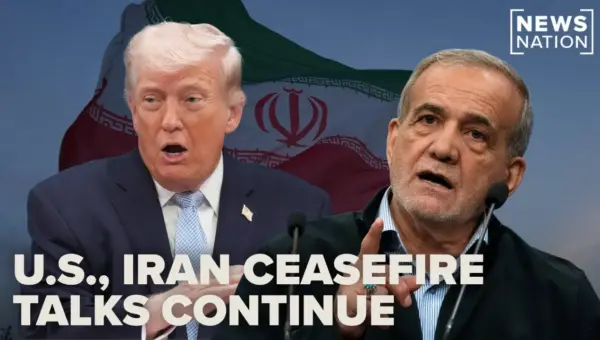
Iran Threatens Strait of Hormuz Amid Lebanon Strikes
Iran threatens to close the vital Strait of Hormuz in response to ongoing strikes in Lebanon. The US is trying to de-escalate, but actions on the ground remain a concern, potentially impacting global oil markets and future negotiations.

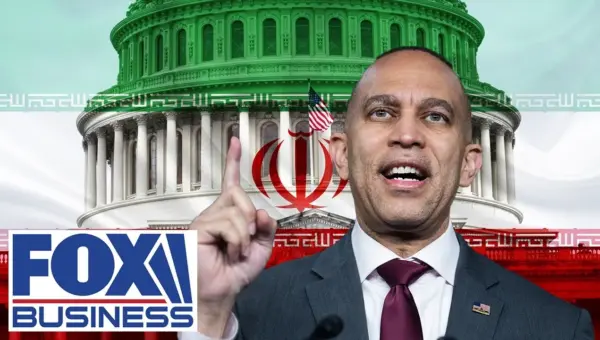
Senator Slams Jeffries’ Iran Stance, Cites Nuclear Threat
Senator Rick Scott sharply criticized House Democratic Leader Hakeem Jeffries over his stance on Iran, calling him an "idiot" for seeking to limit the President's authority. Scott highlighted the threat of Iran developing nuclear weapons. The discussion also covered President Trump's stance on NATO and the ongoing DHS funding shutdown.

Iran’s Hormuz Threat: A Known Tactic, Not New
Recent conflict did not teach Iran a new tactic by threatening to close the Strait of Hormuz. Experts and Iranian planners have long understood this strategic leverage. The effectiveness of the recent shutdown was tied to global perceptions of the preceding conflict's instigator, not a newfound Iranian capability.