Iran Ceasefire: US Pushes for Deal Amidst Tensions
A fragile ceasefire between the U.S. and Iran is under severe strain, with ongoing missile firings and continued Iranian control over the Strait of Hormuz. Despite tensions, the White House remains optimistic as Vice President JD Vance leads a high-level delegation to Pakistan for peace talks. Key issues include Iran's nuclear enrichment program and the reopening of vital shipping lanes.

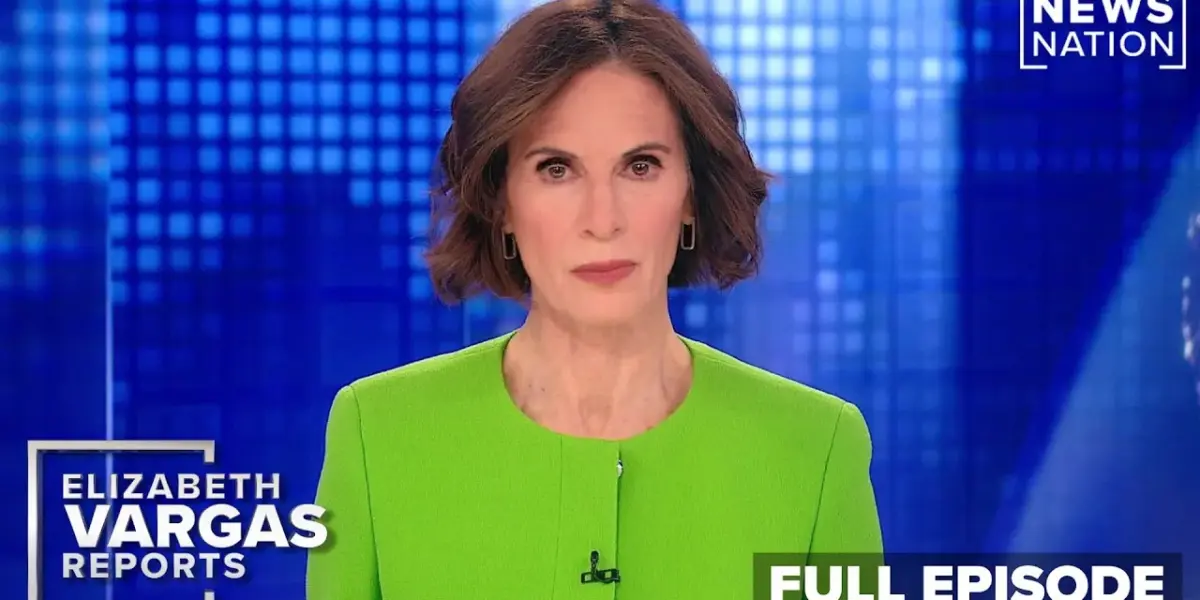
Iran Ceasefire: US Pushes for Deal Amidst Tensions
A fragile ceasefire between the United States and Iran is currently under severe strain. Just 24 hours after President Trump announced a two-week pause in fighting, the situation remains tense. While the U.S. has stopped bombing Iran, Iranian missiles continue to be fired. Iran also maintains control over the Strait of Hormuz and insists on continuing its nuclear enrichment program. Despite these challenges, the White House expresses optimism about resolving the conflict.
“Ceasefires are always messy,” stated a White House official. “An hour after the president announced the ceasefire, the Iranians launch a bunch of missiles. Then the Israelis responded. Then some of the Gulf Arab states responded.” The official added that evidence suggests things are moving in the right direction, but it will take time.
Ceasefire Details and Escalation
Under the temporary ceasefire, the U.S., Israel, and Iran agreed to halt bombings against each other. However, the conflict has expanded beyond direct U.S.-Iran hostilities. Fighting between Israel and Hezbollah in Lebanon continues without a pause. Just today, the Israeli Defense Forces (IDF) conducted a major attack in Lebanon, which Iran claims is part of the ceasefire deal. The U.S. and Israel disagree, stating Lebanon is not included.
In response, Iranian state media reported the closure of the Strait of Hormuz. The White House has pushed back, accusing Iran of spreading false information. “We have seen an uptick of traffic in the strait today,” an official stated. “The president’s expectation and demand that the Strait of Hormuz is reopened immediately, quickly, and safely has been relayed to him privately.”
Market Reaction and Nuclear Concerns
Financial markets reacted positively to the news of a potential de-escalation. The Dow Jones Industrial Average soared over 1300 points, its best day in nearly a year. This surge was partly due to a significant drop in crude oil prices, which closed below $95 a barrel, despite no oil tankers passing through the Strait of Hormuz that day.
A major point of contention remains Iran’s nuclear program. President Trump stated that Iran’s uranium enrichment is over and that the U.S. will help remove nuclear materials. However, Iran insists that a ban on enrichment is not part of the deal. Pentagon Secretary Pete Hegsth emphasized the non-negotiable nature of this issue, stating, “They will either give it to us voluntarily, we’ll get it, we’ll take it out. Or if we have to do something else ourselves… we reserve that opportunity.”
Diplomatic Efforts and Regional Players
The White House is sending a high-level team to Pakistan for peace talks this weekend, led by Vice President JD Vance. Jared Kushner and special envoy Steve Wickoff will also attend. Vice President Vance expressed optimism, stating, “If they make a good faith effort to actually give us the things that we need… I think there’s a lot on the other end. If they don’t give us what we need, then I think it’s going to be bad.”
The U.S. military will remain in the region to ensure Iran adheres to the ceasefire. Since the operation began, 13 U.S. service members have been killed and 380 injured. The U.S. has conducted 13,000 strikes and destroyed over 150 Iranian vessels.
Analysis of Iranian Negotiations
Retired Lieutenant General Keith Kellogg highlighted the differences between American and Iranian negotiation styles. He described the Iranian approach as “marketplace negotiations,” comparing it to bartering in a bazaar. Kellogg noted that the Iranian team includes hardliners like Supreme Leader Ayatollah Khamenei, Parliament President Gholamali Haddad-Adel, Revolutionary Guard Corps head Mohammad Reza Ashtiani, and Foreign Minister Mohammad Javad Zarif, suggesting a tough negotiation ahead.
Kellogg believes the U.S. needs to understand the Iranian perspective, which is rooted in a “war perspective.” He suggested that if Iran does not comply, the U.S. might consider seizing key islands in the Strait of Hormuz that control their economy and command systems. The primary Iranian leverage, he stated, is survival.
Global Impact and Future Scenarios
The ongoing conflict and ceasefire negotiations have significant global implications. The Strait of Hormuz is a critical chokepoint for global oil supplies. Any disruption there can lead to significant price increases worldwide. The market’s volatile reaction shows how sensitive global economies are to stability in this region.
Russia and China are closely watching these developments. They may see this period of U.S. engagement in the Middle East as an opportunity to advance their own interests elsewhere. The U.S. capacity to project power in Iran is undeniable, but establishing a stable, cooperative government in Tehran remains a complex challenge. The fundamental ideological differences between the U.S. and the current Iranian regime, driven by religious doctrine, make finding common ground difficult.
Political Reactions and Diplomatic Challenges
Political reactions in the U.S. have been divided. While the administration claims a military victory, critics question the substance of the achievements, particularly regarding the reopening of the Strait of Hormuz to oil traffic. The focus on Iran’s nuclear program versus potential regime change initiatives adds another layer of complexity to U.S. policy.
The Iranian dissident community, represented by exiled Crown Prince Reza Pahlavi, advocates for a complete overthrow of the Islamic Republic. However, achieving this goal requires more than just popular will; it necessitates organization, communication, and resources. The current negotiations between the U.S. and the existing Iranian leadership, even if it’s the son of the former leader, pose a dilemma for those seeking fundamental change.
The Path Forward
The upcoming peace talks in Pakistan will be a crucial test for Vice President Vance and his team. The success of these negotiations will depend on Iran’s willingness to compromise on its nuclear program and regional activities, and the U.S.’s ability to secure its interests without further escalating the conflict. The situation remains fluid, with the potential for both significant progress and renewed confrontation.
Source: Fragile Middle East ceasefire; Rex Heuermann pleads guilty | Vargas Reports Full Episode 4/8 (YouTube)

Related Articles
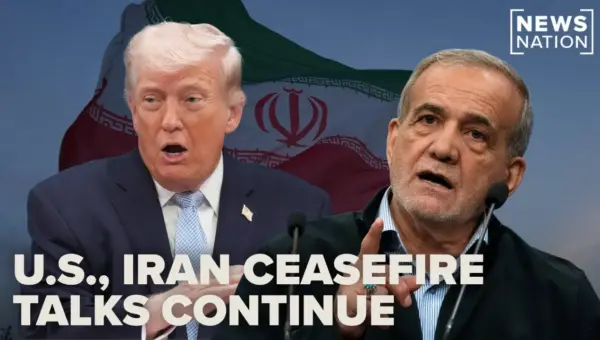
Iran Threatens Strait of Hormuz Amid Lebanon Strikes
Iran threatens to close the vital Strait of Hormuz in response to ongoing strikes in Lebanon. The US is trying to de-escalate, but actions on the ground remain a concern, potentially impacting global oil markets and future negotiations.
Senator Slams Jeffries’ Iran Stance, Cites Nuclear Threat
Senator Rick Scott sharply criticized House Democratic Leader Hakeem Jeffries over his stance on Iran, calling him an "idiot" for seeking to limit the President's authority. Scott highlighted the threat of Iran developing nuclear weapons. The discussion also covered President Trump's stance on NATO and the ongoing DHS funding shutdown.

Iran’s Hormuz Threat: A Known Tactic, Not New
Recent conflict did not teach Iran a new tactic by threatening to close the Strait of Hormuz. Experts and Iranian planners have long understood this strategic leverage. The effectiveness of the recent shutdown was tied to global perceptions of the preceding conflict's instigator, not a newfound Iranian capability.