Trump Criticizes Iran as Oil Deal Hits Snags
President Trump has criticized Iran's handling of oil shipments through the Strait of Hormuz, adding uncertainty to a fragile deal. Despite geopolitical tensions, markets have shown resilience, but concerns linger over potential inflation and economic growth.

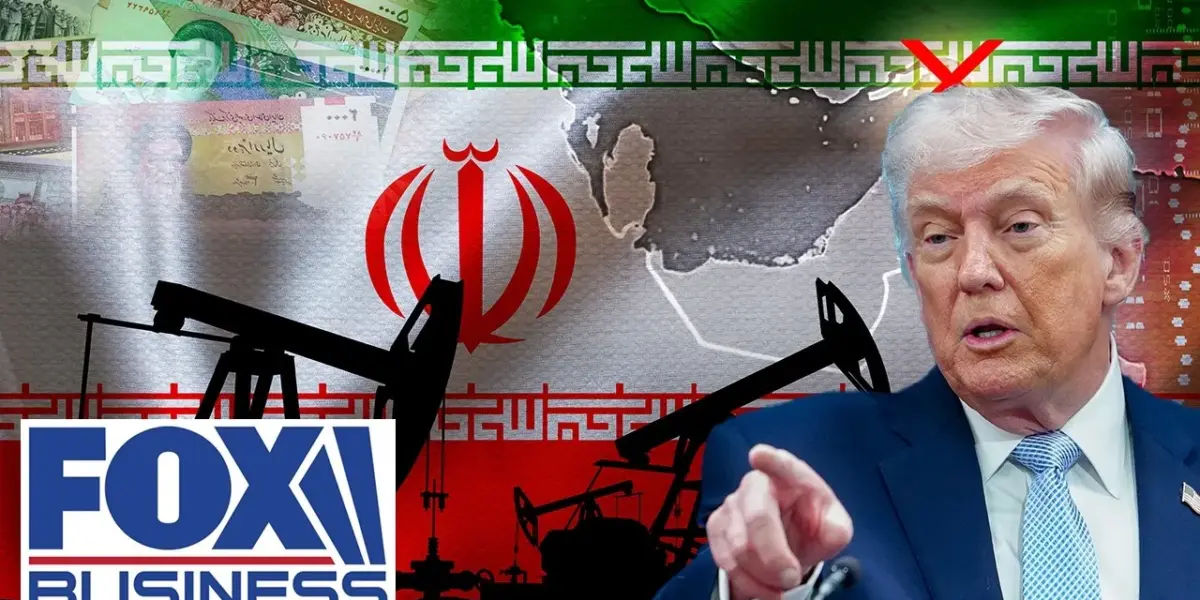
Trump Criticizes Iran as Oil Deal Hits Snags
President Trump has voiced strong disapproval of Iran’s actions regarding oil shipments through the Strait of Hormuz, stating the nation is doing a “poor job” and acting “dishonorably.” This criticism comes as a crucial oil deal and ceasefire between the two nations faces uncertainty.
The agreement, as described by National Economic Council Chairman Kevin Hassett, involved Iran opening the Strait of Hormuz to allow more ships through in exchange for a ceasefire. Hassett had expressed optimism earlier in the week, suggesting a final deal was expected over the weekend. However, President Trump’s recent comments on social media indicate a breakdown in trust and progress.
“That is not the agreement that we have,” Trump stated, referring to the current flow of oil. The initial understanding was that allowing more ships, particularly oil tankers carrying significant volumes, would be part of the resolution. Hassett had indicated that the U.S. had substantial offers on the table to aid the Iranian people, contingent on their cooperation.
Market Reaction and Economic Outlook
Despite the geopolitical tensions, financial markets have shown remarkable resilience. Major indices like the S&P 500, Dow Jones Industrial Average, and Nasdaq experienced slight dips in futures trading but had closed higher the previous day. The S&P 500 notably marked its seventh consecutive session of gains.
Oil prices remain below $100 a barrel. Since the two-week ceasefire began, about a dozen tankers have reportedly passed through the Strait of Hormuz. One of these tankers was flagged as not being Iranian.
“I think markets are holding up remarkably well given the difficulties,” commented managing partner Jamie Cox. He noted that supply shocks, especially in energy, can often lead to more significant market downturns. The current stability suggests market participants view the situation as a short-term issue and are looking beyond the immediate conflict.
Cox explained that when deals are made or conflicts seem close to ending, markets tend to recover and move higher. If this trend continues, it could signal that markets anticipate a quicker resolution than many might expect. However, he cautioned that the real impact on inflation, consumers, and the broader economy is what truly matters.
“If this goes longer than what markets expect, I think you will see the reverse happen,” Cox warned. He highlighted a current economic dichotomy: inflation might hurt consumers, but it could also be beneficial for upcoming midterm elections, creating a complex tug-of-war.
Growth Projections Face Scrutiny
Kevin Hassett had previously projected a “golden age” of economic growth, predicting rates between 4% and 5% for the year, driven by the administration’s policies. He described the current conflict as a “temporary distraction” that would quickly fade.
However, this optimistic outlook has been met with skepticism. John Lonski, who works with Jamie Cox, pointed out that the consensus forecast before the conflict placed GDP growth closer to 2%. He questioned the feasibility of Hassett’s 4-5% projection, especially six weeks into the conflict.
Jamie Cox called Hassett’s projection a “moonshot,” stating that achieving 4% growth is extremely difficult, particularly with the ongoing conflict. While he agrees that GDP will likely remain positive and that the consumer is strong, preventing a recession, he believes a significant shift in the economic outlook would be needed to reach such high growth figures.
Interest Rates and Inflation Concerns
Futures traders are currently pricing in about a 30% chance of an interest rate cut in the latter half of the year. This sentiment has emerged partly due to concerns about inflation, which could be further fueled by war-related oil shocks. The upcoming Consumer Price Index (CPI) report is expected to shed light on the energy sector’s impact.
Adding to the uncertainty, reports suggest a potential delay of at least a week for the nomination hearing of Kevin Warsh for Fed Chair. This is due to the time needed for collecting financial disclosures.
Regarding Federal Reserve Chair Jerome Powell, Hassett believes Powell may step down from the board in May. Cox discussed the Federal Reserve’s dual mandate: maintaining stable prices and maximizing employment.
He noted that a supply shock, like rising oil prices, should ideally not lead to interest rate cuts, as this could be difficult to justify. Cox sees stable interest rates in the U.S. as a positive, especially when compared to potential rate increases in Europe and other regions without a similar dual mandate. These rate differentials could benefit the U.S. economy.
“If we were to raise interest rates into the supply shock, we would precipitate recession and make money tight at a time when it would not be a good idea to do so,” Cox explained. He believes that lowering rates would require a dramatic change in the conflict’s trajectory, needing it to end quite quickly even towards year-end.
Markets will be closely watching these developments over the weekend, with further insights expected from media interviews and official statements.
Market Impact
The ongoing geopolitical situation with Iran and its impact on oil supply remains a key focus. While markets have shown resilience, any escalation or prolonged disruption could lead to increased volatility and higher energy prices. Investor sentiment may shift quickly if the conflict intensifies or if economic data disappoints expectations.
What Investors Should Know
- Oil Prices: Keep an eye on oil prices, as disruptions in the Strait of Hormuz can directly impact global energy costs.
- Inflation Data: Upcoming inflation reports, like the CPI, will be crucial for understanding the economic impact of energy shocks and potential Federal Reserve actions.
- Economic Growth Projections: Be aware of the differing views on U.S. economic growth. High-end projections seem optimistic given current global uncertainties.
- Interest Rate Outlook: The possibility of interest rate changes by the Federal Reserve is influenced by inflation and economic growth. Supply shocks complicate the Fed’s decision-making.
Source: 'POOR JOB': Trump UNLOADS on Iran as oil deal falters (YouTube)

Related Articles
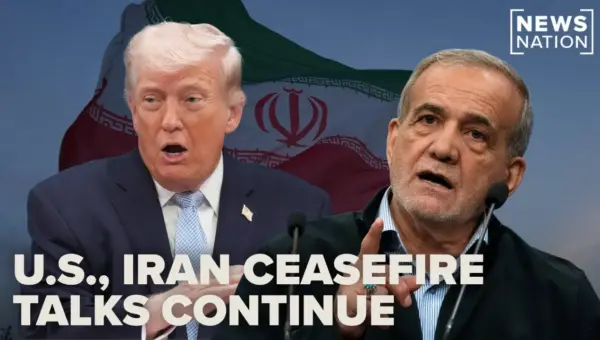
Iran Threatens Strait of Hormuz Amid Lebanon Strikes
Iran threatens to close the vital Strait of Hormuz in response to ongoing strikes in Lebanon. The US is trying to de-escalate, but actions on the ground remain a concern, potentially impacting global oil markets and future negotiations.

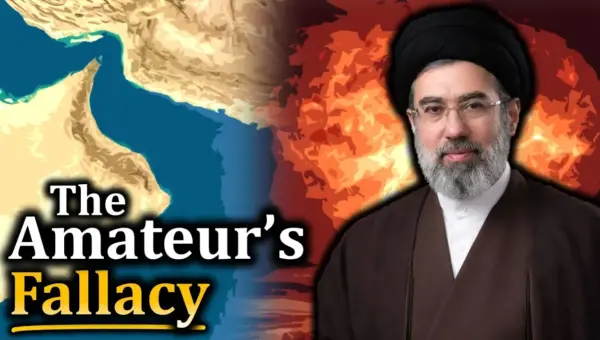
Iran’s Hormuz Threat: A Known Tactic, Not New
Recent conflict did not teach Iran a new tactic by threatening to close the Strait of Hormuz. Experts and Iranian planners have long understood this strategic leverage. The effectiveness of the recent shutdown was tied to global perceptions of the preceding conflict's instigator, not a newfound Iranian capability.


Ukraine War: Brutal Combat Footage Reveals Tactics
Intense combat footage from Ukraine reveals brutal tactics and high casualties. A detailed analysis of battles near Berdychi and the fight for Nadiia showcases combined arms warfare, infantry vulnerability, and the critical role of command and control. The conflict's ongoing nature continues to impact global markets.