Iran Demands Full Control Over Strait of Hormuz
Iran is pushing for maximum control over the Strait of Hormuz, presenting a maximalist demand in ongoing negotiations. Deep disagreements persist between key global players, particularly concerning Iran's nuclear ambitions and the stability of a potential ceasefire. The clarity and unity of negotiating teams remain uncertain, adding further complexity to the delicate geopolitical situation.

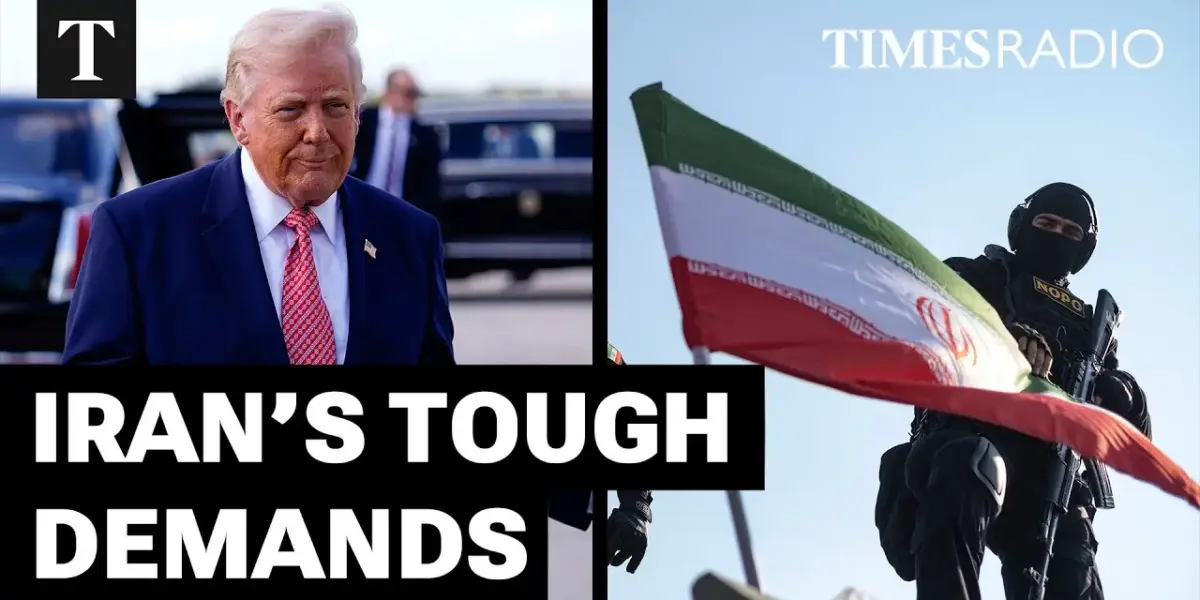
Global Tensions Simmer as Iran Pushes for Maximum Control in Strait of Hormuz
A fragile pause in the conflict involving Iran and the vital Strait of Hormuz is currently in place. However, with ongoing Israeli actions in Lebanon and disagreements over the terms of a ceasefire, the stability of any deal remains uncertain. Matthew Gold, former British ambassador to Israel and acting ambassador to Iran, discussed these complex issues, highlighting Iran’s maximalist negotiating approach and the deep divisions between key global players.
Negotiations and the Role of Ambiguity
High-stakes negotiations often rely on a degree of ambiguity, especially when complete agreement is impossible. According to Gold, this approach appears to be at play in the current situation. Parties may agree to overlook specific points of contention, hoping they can be resolved later. This strategy was likely used regarding the scope of the ceasefire, particularly whether it includes Lebanon. However, Gold warns that this ambiguity cannot last indefinitely. The situation in Lebanon, whether it involves conflict or not, must be addressed directly to prevent the deal from quickly falling apart.
Strait of Hormuz: Iran’s Bold Stance
The Strait of Hormuz, a critical global shipping lane, is a major point of contention. Gold suggests that Iran’s demands for maximum control, including a potential toll system, are part of their tough negotiating tactics. Iran is known for making sweeping demands to gain the most advantage. While Iran may view control over the strait as a significant benefit, it is not seen as an existential issue for the regime. This stance is distinct from the far more critical issue of Iran’s nuclear program.
Nuclear Ambitions: An Existential Threat
Iran’s nuclear ambitions represent a core concern for both Iran and its adversaries. Israel views Iran’s pursuit of nuclear capabilities as an absolute threat, demanding an end to its enrichment program. Conversely, Iran may see its nuclear program as a guarantee of its future survival, especially after recent events. This fundamental difference in perspective creates a significant gap between Israel and the United States. Israeli Prime Minister Netanyahu insists on the complete dismantling of Iran’s nuclear program and the removal of the current regime. U.S. objectives, however, have been less clear, leading to potential tension between the two allies as peace talks progress.
Disagreements Between Washington and Jerusalem
Serious disagreements exist between Washington and Jerusalem regarding how to handle Iran’s nuclear program. Israel believes the Iranian regime cannot be trusted and wants its nuclear capabilities completely destroyed. They aimed to use the recent conflict to prevent future threats from Iran’s nuclear ambitions. The U.S. approach, however, has lacked this clarity, with different objectives reportedly communicated to various parties. This divergence in goals is expected to be a major source of friction during upcoming peace discussions.
The Negotiating Teams: Who’s in Charge?
Identifying the key negotiators is crucial for understanding the potential outcomes. On the U.S. side, JD Vance appears poised to play a significant role in bringing the conflict to a close. The Iranian side, however, presents a more complex picture. The exact power structure in Tehran remains unclear, partly due to recent attacks that have impacted top leadership. Even high-ranking Iranian officials may not fully grasp the current power dynamics. Those who attend the talks in Islamabad will need to carefully consider their actions to avoid accusations of betraying Iran’s interests. This lack of clarity regarding who represents Iran and who holds ultimate decision-making power will undoubtedly complicate negotiations.
The UK’s Limited Role and Transatlantic Relations
The United Kingdom is not expected to play a significant role in these negotiations. Meanwhile, recent comments by the British Prime Minister criticizing U.S. President Donald Trump have drawn attention. Gold suggests that while such criticism might normally be highly significant, President Trump’s transactional approach to foreign relations means these comments may have less impact than usual. Relationships with the current U.S. administration are described as fluid and based on immediate needs. Gold noted that President Trump might even be flattered to be mentioned alongside President Putin, indicating the unique nature of U.S. foreign policy under his leadership.
Looking Ahead
The coming weeks will be critical as negotiations unfold. The ability of parties to bridge the significant divides on issues like the Strait of Hormuz and Iran’s nuclear program will determine the success of any ceasefire agreement. The internal power dynamics within Iran and the evolving relationship between the U.S. and Israel will also play a crucial role in shaping the future regional stability.
Source: Iran Will Not Back Down On Maximum Control Over Strait Of Hormuz Demands (YouTube)

Related Articles


WTO Crumbles, Ushering In Global Trade Wars
The World Trade Organization is collapsing, signaling a return to global trade wars and regional economic blocs. This shift is driven by changing U.S. priorities and the WTO's own structural flaws, forcing countries to find new economic and political models.

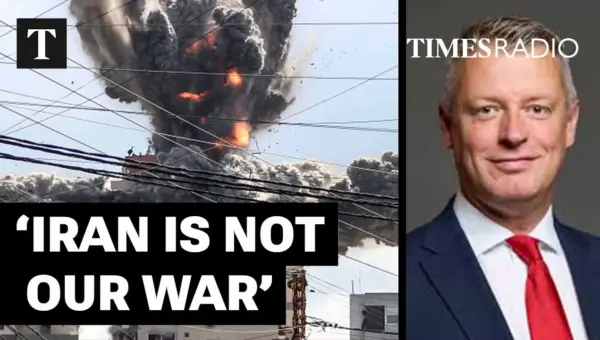
UK Defends Allies But Says ‘Iran Is Not Our War’
Britain is stepping up to defend allies in the Middle East but insists "Iran is not our war," according to the Minister for Defense Readiness and Industry. The UK is focusing on defensive measures and leading international efforts to reopen the vital Strait of Hormuz. The government also addressed concerns about NATO's future and countered Russian aggression against undersea cables.

Iran Tests Global Order Amid Strait of Hormuz Standoff
Peace talks loom as Iran's control over the vital Strait of Hormuz fuels global concern. Analysts question Iran's commitment to agreements, while regional demands and proxy conflicts complicate diplomatic efforts. The situation tests the international order and global energy security.