India Reverts to Dirty Fuels Amidst Gas Shortage
India is experiencing a severe LPG shortage, forcing millions of families and businesses back to using dirty fuels like firewood and coal. This reversal of clean energy progress raises serious concerns for public health and air quality.

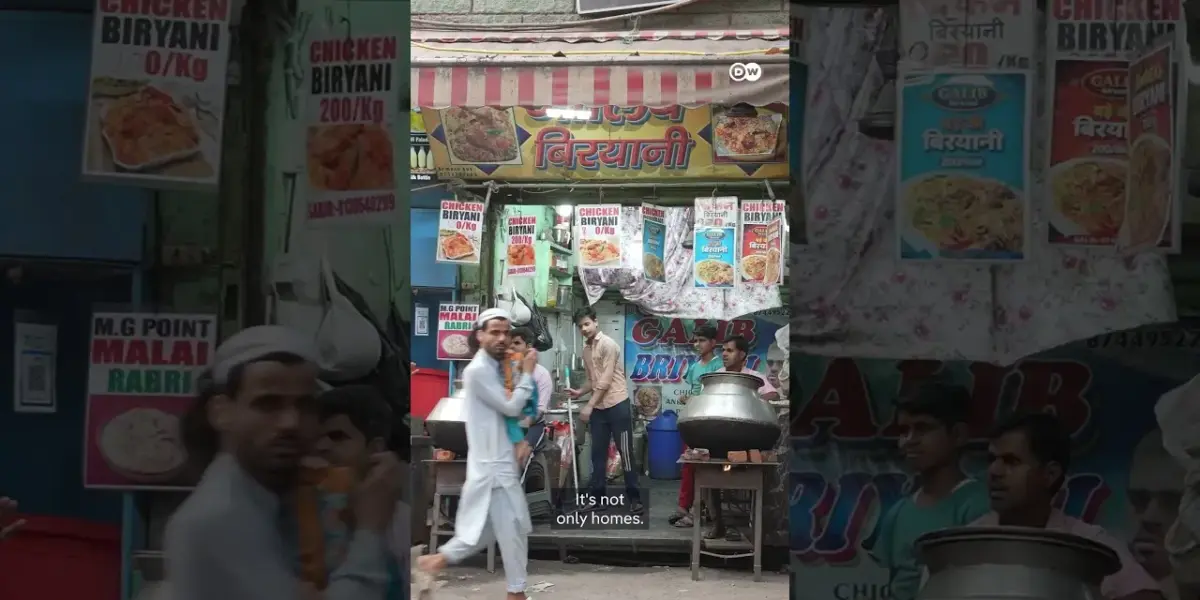
India Faces Setback in Clean Energy Goals as Gas Crisis Deepens
New Delhi, India – Families and businesses in India are being forced to return to burning wood, coal, and kerosene for cooking and heating as a severe liquefied petroleum gas (LPG) shortage grips the nation. This marks a significant reversal of years of progress in shifting towards cleaner, safer energy sources, with experts warning of serious consequences for public health and air quality.
Families Forced Back to Traditional Fuels
For many low-income households in Delhi, the switch back to solid fuels is a stark reality. Chani, a daily laborer, recently shared how her family, like millions of others, had relied on LPG gas for years. However, with gas cylinders becoming scarce and unaffordable, they have been pushed back to cooking on firewood. This situation is not unique to Chani’s family; across the city, households that had embraced cleaner fuels are now reverting to older, dirtier methods.
“What we are seeing here is a reversal of years of progress,” stated one observer, highlighting the broader impact. Millions of households had transitioned to cleaner cooking fuels, but global supply disruptions are now forcing many back to using firewood, coal, and kerosene. This change not only impacts daily convenience but also carries significant health and environmental costs.
Businesses Also Affected
The impact of the gas shortage extends beyond private homes. Restaurants and small businesses are also struggling to adapt. Many are turning to coal or resorting to purchasing gas on the black market at significantly inflated prices. Some businesses using coal declined to comment when approached, indicating the sensitive nature of the situation.
Global Conflict Fuels Domestic Crisis
At the root of this widespread disruption lies the ongoing conflict in the Middle East. Shipping routes through the Strait of Hormuz have been affected, leading to tighter supplies of LPG reaching India. This geopolitical event has had a direct and tangible impact on the daily lives of millions of Indians.
Government Responds with Temporary Measures
In response to the escalating crisis, the Indian government has implemented measures to alleviate pressure on household LPG supplies. Commercial kitchens and restaurants are now permitted to use alternative fuels such as coal, kerosene, and waste-based fuels. The government stated that these actions are intended to activate alternative fuel options and ease the strain on LPG and gas channels. Kerosene is also being made more readily available through retail outlets to bridge the gap.
Experts Warn of Long-Term Consequences
Despite these government interventions, energy experts express deep concern about the long-term implications of the current disruption. “The energy crisis at this moment is really turning the clock back,” warned one expert. “Whatever progress we have made to ensure that households have access to clean cooking energy is getting deeply and adversely affected.”
As a result, people are falling back on the traditional solid fuels, which is causing enormous pollution and is coming at an enormous public health cost.
The longer the supply disruptions persist, the more difficult it will be to reverse the trend and re-establish cleaner energy practices. The reliance on solid fuels contributes to severe air pollution, posing significant risks to public health, including respiratory illnesses and other related conditions.
A Hope for Return to Clean Energy
For families like Chani’s, the immediate future offers little choice but to continue using traditional, less-than-ideal cooking methods. They operate small, inefficient stoves, a stark contrast to the cleaner LPG they once used. Despite the current hardship, there remains a hope that the gas shortage is temporary. They are waiting for the day when LPG cylinders will once again be readily available, allowing them to leave firewood behind and return to a cleaner, healthier way of cooking.
Looking Ahead
The coming weeks will be crucial in determining the duration of this energy crisis. Observers will be watching closely to see if the government’s measures effectively stabilize LPG supplies and if international shipping routes return to normal. The ability to quickly restore access to clean cooking fuels will be vital in preventing a lasting setback to India’s public health and environmental goals.
Source: India turns to dirty fuels as gas crisis bites | DW News (YouTube)

Related Articles

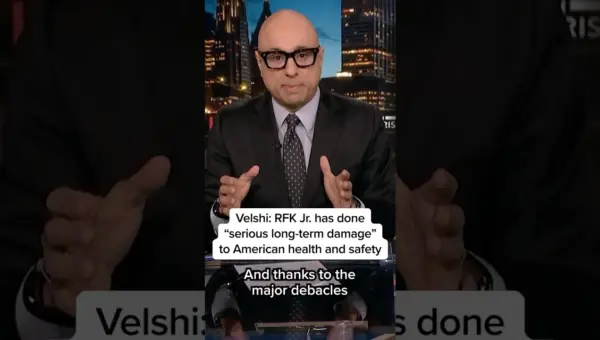
RFK Jr. Accused of Causing Health Damage Amid Vaccine Data Questions
MSNBC's Ali Velshi has accused Robert F. Kennedy Jr. of causing significant long-term harm to American health and safety, linking his influence to rising measles outbreaks. This criticism emerges as new reports question the CDC's timely release of data on COVID-19 vaccine benefits, potentially impacting public trust.

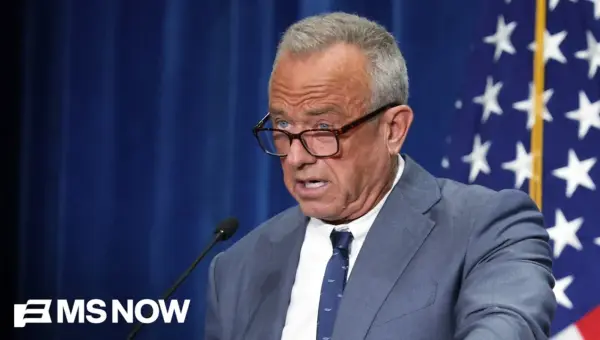
CDC Buries COVID Vaccine Success Report Amidst RFK Jr. Criticism
The CDC is reportedly withholding a report showing COVID-19 vaccines cut hospitalizations by half, according to the Washington Post. This comes as the U.S. faces its worst measles outbreak in decades, with experts linking the rise in cases to misinformation promoted by HHS Secretary Robert F. Kennedy Jr.


Plastic Invades Our Plates: Are We Eating Our Future?
Microplastics are now found in human tissues, sparking fears about our food supply. As the government investigates, citizens question the long-term impact of plastic on health and future generations. The fight against plastic pollution is on.