UK Defends Allies But Says ‘Iran Is Not Our War’
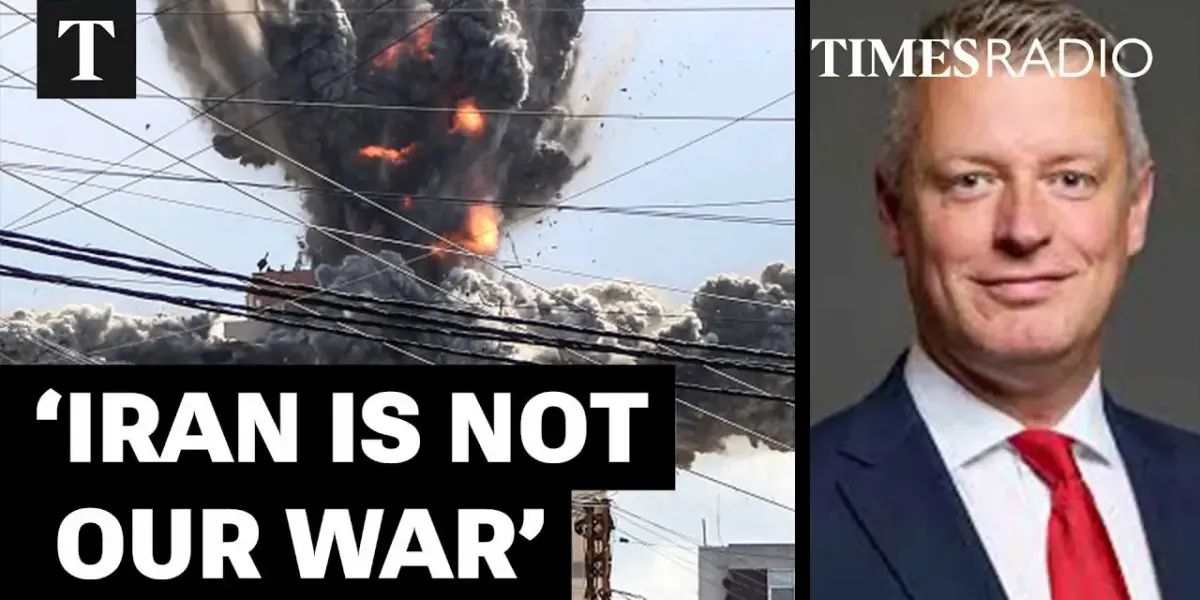
Britain is stepping up to defend allies in the Middle East but insists "Iran is not our war," according to the Minister for Defense Readiness and Industry. The UK is focusing on defensive measures and leading international efforts to reopen the vital Strait of Hormuz. The government also addressed concerns about NATO's future and countered Russian aggression against undersea cables.

UK Clarifies Stance on Iran Conflict Amidst Regional Tensions
Britain has affirmed its commitment to supporting allies and defending regional bases against Iranian aggression, while firmly stating that the conflict in Iran is not a British war. The UK’s position, as articulated by the Minister for Defense Readiness and Industry, emphasizes a defensive role rather than offensive participation. This stance seeks to balance international obligations with national interests, particularly concerning the economic impact of regional instability.
Navigating International Pressure and Allies’ Needs
The British government has found itself balancing international pressure with its own strategic interests. While the Trump administration has reportedly suggested audits for NATO members perceived as not meeting expectations, the UK has reiterated its clear line: “Iran is not our war.” This statement, made by the Minister for Defense Readiness and Industry, underscores a deliberate choice not to engage in offensive actions. Instead, the focus is on bolstering the defense of allies and protecting British and coalition bases in the region.
The minister explained that the Prime Minister has prioritized national interests over external pressures. This approach guides the UK’s actions, leading to a decision not to join offensive operations. However, the UK has significantly increased its support to defend allies facing what are described as “reckless Iranian attacks.” These attacks have targeted not only British and coalition forces but also allies in the Gulf region.
“We have stepped up, but Iran is not our war. And so we’ve been very clear about that from the start. The prime minister has put the national interest ahead of the pressure that he’s been receiving.”
Reopening the Strait of Hormuz: A Cooperative Effort
A key area of focus for the UK is the reopening of the Strait of Hormuz, a vital shipping lane for global energy supplies. Following discussions between the UK Prime Minister and President Trump, there is a shared understanding of the need for a practical plan. The Prime Minister has previously expressed frustration with the conflict’s impact on UK energy bills, highlighting the economic stakes involved.
The UK has taken a leading role in coordinating international efforts to address the threats to shipping in the Strait. The Foreign Secretary convened a meeting of 40 nations, and military planners from 30 countries have gathered to explore options. The minister stressed that no single nation can reopen the Strait alone, emphasizing the need for a multi-faceted approach involving military, shipping, and insurance sectors.
To address the threat of mines and other potential dangers, the Royal Navy has pre-positioned autonomous mine-hunting capabilities in the Middle East. The UK is working with allies to assess capabilities and threats, aiming to ensure the safe passage of commercial shipping. The plan involves not just military solutions but also economic and diplomatic measures.
Strengthening NATO and Addressing Russian Aggression
The UK’s defense strategy also involves reinforcing its commitment to NATO and countering Russian activities. The minister affirmed that NATO is stronger with U.S. participation and that President Trump has reaffirmed support for the alliance’s core commitments. The UK is increasing its defense spending, aiming for 2.5% of GDP by April 2027 and 3.5% by 2035. This increased investment also supports efforts in Ukraine.
The government is also taking a firm stance against Russian covert operations, particularly those targeting undersea cables in the Atlantic. By declassifying information about Russian activities, the UK aims to deny Russia the ability to operate in secrecy. This public acknowledgment serves as a deterrent, making it difficult for Russia to deny its involvement.
Regarding concerns about Russian shadow vessels, the UK stated that it has the powers to board and seize such ships. While operational details remain confidential, the government asserts that its actions, including sanctions and interdiction support, are working to deter Russian aggression. The aim is to protect vital economic infrastructure, such as undersea cables that carry internet traffic and facilitate daily business.
Maintaining Influence in the Middle East
Despite the complexities of the current geopolitical climate, the UK maintains that its influence in the Middle East remains significant. The presence of the Prime Minister and other high-ranking officials in the region signals a continued commitment to allies. The UK’s role extends beyond military support, encompassing industrial cooperation and diplomatic efforts to de-escalate tensions and foster lasting peace.
The UK’s military presence in the Middle East is geared towards protecting bases and allies from potential drone and missile attacks. The government is focused on collaborative efforts to reopen the Strait of Hormuz and promote stability across the wider Middle East. This commitment underscores the UK’s enduring role as a partner in regional security.
Source: Iran Is Not Our War But We Have Supported Our Allies | UK Defence Minister (YouTube)

Related Articles

Iran Tests Global Order Amid Strait of Hormuz Standoff
Peace talks loom as Iran's control over the vital Strait of Hormuz fuels global concern. Analysts question Iran's commitment to agreements, while regional demands and proxy conflicts complicate diplomatic efforts. The situation tests the international order and global energy security.
Ukraine Strikes Cripple Russian Oil Revenue
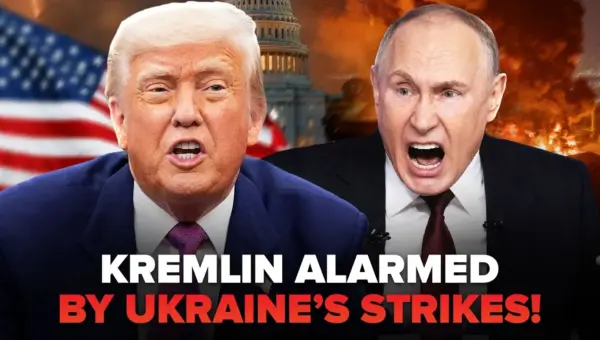
Ukraine's drone strikes are crippling Russia's oil revenue and exposing defensive vulnerabilities. These attacks are shifting battlefield dynamics, making Russia desperate and potentially hastening the end of Putin's regime. Meanwhile, international alliances face strain amidst evolving geopolitical strategies.
Trump Faces Iran War Fallout Amid Peace Talk Uncertainty
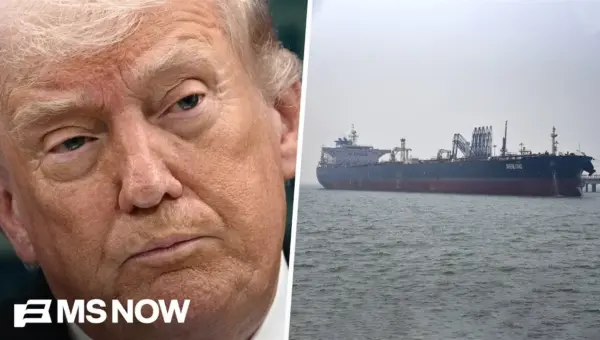
President Trump faces mounting pressure as the Iran conflict's outcome appears uncertain, with oil prices rising and key waterways disrupted. Meanwhile, First Lady Melania Trump has broken her silence on the Epstein files, denying any connection to Jeffrey Epstein.