High Energy Costs Threaten Trump Agenda, Economist Warns
High energy prices are a major concern for the U.S. economy, potentially derailing the current administration's agenda despite positive GDP growth and rising wages. While tax cuts and deregulation provide support, global conflicts and their impact on oil markets create significant uncertainty for businesses and consumers.

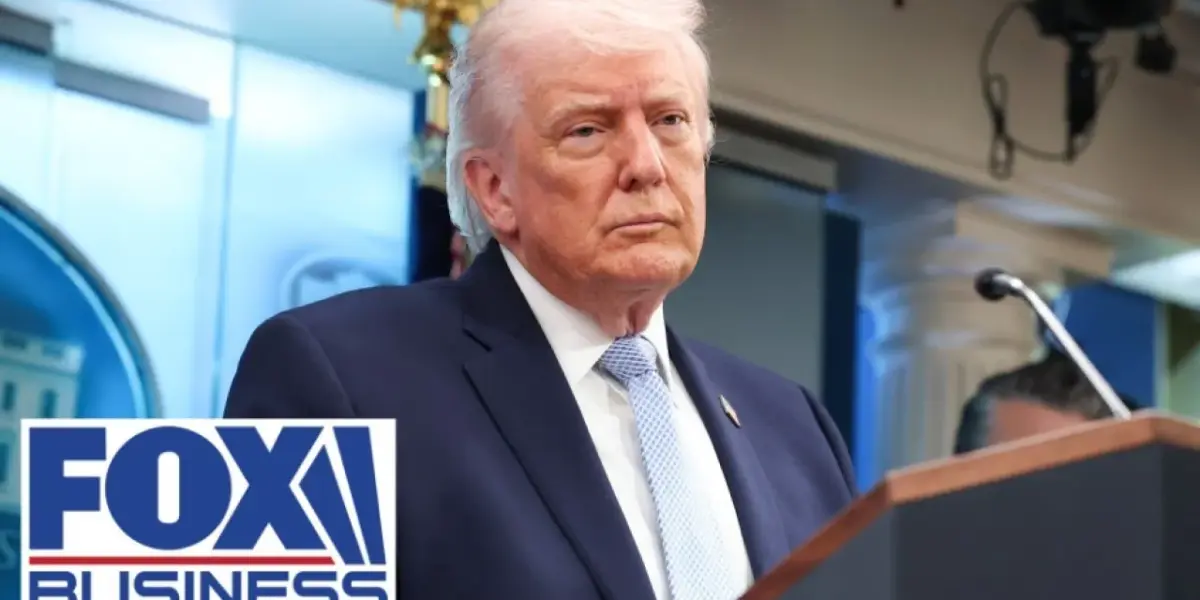
High Energy Costs Threaten Trump Agenda, Economist Warns
Despite positive economic indicators like rising GDP and wages, high energy prices pose a significant risk to the current administration’s agenda, according to a chief economist. While tax cuts and deregulation have provided strong tailwinds, the volatility in oil and natural gas markets could derail progress.
Economy Shows Strength Amidst Challenges
The U.S. economy is showing resilience, with Gross Domestic Product (GDP) growth remaining positive and wages on the rise. This performance is noteworthy, especially considering the backdrop of ongoing tariffs and global conflicts that have impacted oil prices over the past year. Experts suggest that under different circumstances or previous administrations, similar challenges could have led to significant economic downturns, potentially in the range of negative three to five percent growth.
Several factors have contributed to this positive economic picture. Tax cuts, for instance, have been a major driver, with tax refunds reportedly 10% to 11% larger on average than the previous year. This injects more money into consumers’ pockets. Furthermore, incomes have been rising faster than prices, meaning people’s paychecks effectively go further, increasing their purchasing power. Deregulatory efforts by the administration are also cited as an “unsung hero” for business growth.
Government spending and employment have also seen reductions. The number of federal employees is at its lowest in six decades, indicating a shrinking government footprint. This move towards smaller government is seen by some as a positive economic signal.
Energy Prices: The Major Hurdle
However, a significant concern remains: energy prices. The current high cost of energy is identified as the primary factor that could derail the administration’s economic agenda. Businesses and consumers alike are uncertain if energy prices will fall quickly enough to make projects and daily costs manageable. The ongoing conflict in the Middle East and its impact on the Strait of Hormuz are critical factors influencing these prices.
This uncertainty about energy costs is a major point of concern for the viability of many business projects. Keeping energy prices in check is seen as crucial for sustained economic health and for the success of the current administration’s policies.
Artificial Intelligence: A Productivity Boost
On the technology front, Artificial Intelligence (AI) is beginning to make its mark. While widespread adoption will take time, AI is already being implemented in various sectors to boost productivity and output without significantly increasing costs. This leads to lower per-unit labor costs, a positive development for businesses. Small businesses, in particular, are exploring AI to enhance their operations.
The full impact of AI is still unfolding, as companies continue to discover its diverse applications. However, its current implementation suggests a positive short-term contribution to economic growth by improving efficiency.
Tariffs and Trade: A Legal Challenge
The administration’s use of tariffs is also facing scrutiny. While imports represent 12% of the U.S. economy and tariffs account for about 0.7%, some economists argue this level of tariffs is unlikely to cause a recession on its own. Others disagree, highlighting the potential for broader economic disruption.
Legally, the administration faces a difficult challenge in defending its tariffs, particularly those imposed under Section 122. Proving a significant balance of payment problem is required, which is complex in today’s global financial system with floating exchange rates. The U.S. Court of International Trade is expected to hear arguments on these tariffs. It is anticipated that the administration may need to rely on other tariff authorities or take a case-by-case approach to build stronger arguments.
State-Level Gas Tax Relief
In response to high energy costs, some states are pausing their gas taxes. Indiana is one of the latest states to take this action. While this provides immediate relief to consumers, economists caution that such measures should be paired with spending cuts. The concern is that reducing taxes without cutting spending could lead to increased government borrowing and further debt, whether at the federal or state level.
The argument is that while tax relief is welcome, it should not come at the expense of fiscal responsibility. Borrowing more money to fund tax cuts without offsetting spending can worsen a nation’s financial position.
Market Impact and Investor Outlook
The current economic situation presents a mixed outlook for investors. Strong GDP growth and rising wages are positive signs, but the persistent issue of high energy prices creates significant uncertainty. The geopolitical situation in the Middle East and its impact on oil supply remain key variables to monitor.
Investors should pay close attention to energy market developments and any policy responses from the administration or state governments. The legal challenges surrounding tariffs could also introduce volatility. While AI offers long-term growth potential, the immediate focus for many will be on how energy costs affect corporate profits and consumer spending in the coming months.
Source: These high energy prices stand to derail the Trump agenda, chief economist warns (YouTube)

Related Articles


Tariffs Hurt Small Businesses Despite Court Ruling
Small businesses continue to face rising costs due to tariffs, despite a Supreme Court ruling meant to halt them. Owner Nneka Christiane details how these tariffs increase her business expenses and create supply chain issues. The lack of recourse for compensation leaves many entrepreneurs struggling.
AI’s ‘Mythos’ Model Sparks Financial Security Fears
Advanced AI models like Anthropic's 'Mythos' are raising alarms among financial leaders due to potential cybersecurity risks. While OpenAI prepares its 'Spud' model, experts like Nicholas Carlini highlight Mythos's ability to find and chain software vulnerabilities, surpassing human researchers. This development prompts urgent discussions about securing financial markets against sophisticated AI-driven threats.
Trump’s Tariffs Face New Legal Test in Trade Court
Twenty-four states and two small businesses are challenging President Trump's global tariffs, arguing he lacks the authority under Section 122 of the Trade Act of 1974. This legal battle follows a Supreme Court ruling that limited similar emergency tariff powers.