Tariffs Hurt Small Businesses Despite Court Ruling
Small businesses continue to face rising costs due to tariffs, despite a Supreme Court ruling meant to halt them. Owner Nneka Christiane details how these tariffs increase her business expenses and create supply chain issues. The lack of recourse for compensation leaves many entrepreneurs struggling.


Tariffs Continue to Burden Small Businesses
Despite a Supreme Court ruling, many small businesses are still paying tariffs imposed by the Trump administration. These tariffs, originally intended to protect American industries, are now increasing costs for companies that import goods. Nneka Christiane, owner of Jimena Box.LA, shared her experience. She explained that her business, which uses electromagnetic stem technology, relies on components manufactured in China because similar items are not available in the U.S.
Christiane stated that she has to pay tariffs on these imported tech components. This happens even after paying for the goods, shipping, and manufacturing. She receives text messages from shipping companies like UPS demanding payment for tariffs. If she doesn’t pay within five days, her products are sent back. This process leaves her with no choice but to pay, as there’s no clear way to dispute the charges at that moment.
Rising Costs and Supply Chain Woes
The tariffs have significantly increased Christiane’s cost of doing business. She recently received notice that her production costs will rise by an additional 20% due to these ongoing tariffs. This is on top of other costs she is already paying. The situation is made worse by current supply chain difficulties and high shipping costs. Everything has become more expensive, with prices skyrocketing.
Christiane pointed out that many products people buy online, like those from Amazon, are shipped from warehouses in China to the U.S. The shipping crisis has further driven up prices. She has provided evidence of these cost increases, showing that this is not just a feeling but a documented financial reality for her business.
Supreme Court Ruling and Lack of Recourse
The Supreme Court issued a ruling that Christiane believed should have stopped these tariffs. However, the tariffs have continued without interruption. She feels that the administration is not addressing the issue, being more focused on war and mass deportations. The money collected from tariffs, totaling billions of dollars, is of unknown destination and use.
Christiane expressed frustration that businesses like hers are not getting their money back. She mentioned that even after the Supreme Court ruling, the tariffs are still being charged. She feels businesses don’t have a voice and that people need to come together to address this problem. Many other small business owners have reached out to her, sharing similar struggles.
Seeking Compensation and Future Uncertainty
Christiane is seeking compensation for the money businesses have lost due to these tariffs. She has contacted government officials, including Congressman Eric Swalwell, in hopes of getting bills passed to provide compensation. The challenge is that, as one attorney noted, the Trump administration never paid back this money. Christiane finds this unacceptable, especially with clear evidence and Supreme Court backing.
The ongoing tariffs and the lack of resolution create significant uncertainty for small businesses. While Chris Cuomo expressed his support and commitment to reporting on the issue, the path forward for businesses like Jimena Box.LA remains unclear. The current focus on other national and international issues leaves many small business owners feeling overlooked and financially strained.
Global Impact
The continued imposition of tariffs on imported goods, even after a Supreme Court ruling, highlights a persistent challenge for global trade. For small businesses, these tariffs act as a hidden tax, increasing operational costs and reducing competitiveness. When businesses like Jimena Box.LA cannot source necessary components domestically, they are forced to absorb these costs or pass them on to consumers, contributing to inflation.
The situation also raises questions about the effectiveness and fairness of trade policies. While intended to protect domestic industries, tariffs can disrupt supply chains and harm businesses that rely on international trade. The lack of clear recourse for businesses to challenge or reclaim tariff payments adds another layer of difficulty, creating an environment of uncertainty for entrepreneurs.
Historical Context
Tariffs have a long history as a tool of economic policy, used by nations to protect domestic industries, raise revenue, or exert political pressure. In the U.S., debates over tariffs have occurred for centuries, often pitting protectionist interests against free trade advocates. The Trump administration’s use of tariffs, particularly on goods from China, marked a significant departure from recent trade policies, aiming to address trade imbalances and perceived unfair trade practices.
However, the economic consequences of such tariffs have been widely debated. Critics argue that they ultimately harm consumers and businesses through higher prices and reduced choices, while supporters contend they are necessary to level the playing field. The Supreme Court’s involvement in tariff disputes underscores the legal complexities and the significant economic impact these policies can have.
Economic Leverage and Future Scenarios
Tariffs represent a form of economic leverage, allowing governments to influence trade flows and international relations. For countries like China, tariffs imposed by the U.S. can impact export revenues and economic growth. Conversely, for American businesses, tariffs on imported goods can raise production costs, affecting their profitability and ability to compete.
One future scenario is that the administration may eventually address the ongoing tariff collection, potentially offering some form of compensation or relief to affected businesses. Another possibility is that these tariffs will continue indefinitely, forcing more small businesses to adapt, raise prices, or even close. A third scenario involves broader trade policy changes that could either reduce or increase tariff burdens depending on future political priorities.
Source: Small business owner: Tariffs still hurting all of us despite Supreme Court ruling | CUOMO (YouTube)

Related Articles


Sheriff’s Ballot Seizure Halted by Court Order
The California Supreme Court has halted Sheriff Chad Bianco's probe into 650,000 ballots, raising concerns about political motives. The sheriff, running for governor, based his investigation on questionable data from a private group, despite election officials disputing the findings.
Trump’s Tariffs Face New Legal Test in Trade Court
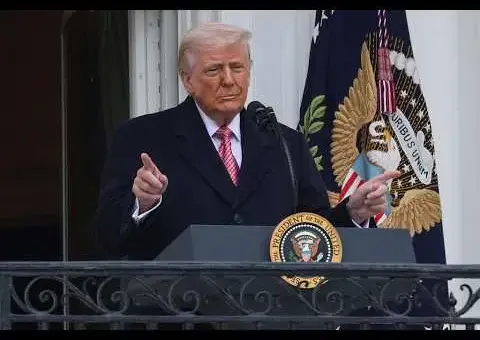
Twenty-four states and two small businesses are challenging President Trump's global tariffs, arguing he lacks the authority under Section 122 of the Trade Act of 1974. This legal battle follows a Supreme Court ruling that limited similar emergency tariff powers.

Oil Shock Hits China’s Plastic Hub: Prices Soar
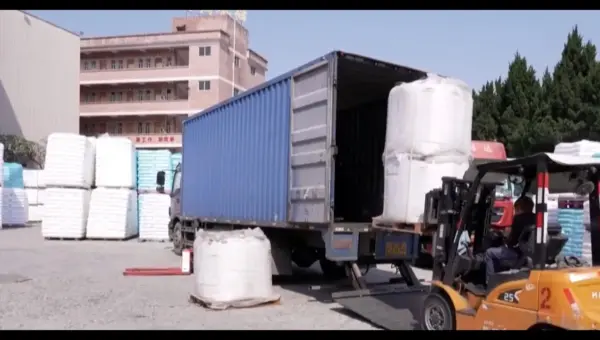
Rising oil costs due to Middle East tensions are causing plastic prices to soar in China's major plastic hub, Jang Muto. Businesses face shrinking profits and disrupted logistics, leading to panic buying and traffic gridlock. This highlights the global impact of oil prices on everyday products.