Ukraine Strikes Cripple Russian Oil Revenue
Ukraine's drone strikes are crippling Russia's oil revenue and exposing defensive vulnerabilities. These attacks are shifting battlefield dynamics, making Russia desperate and potentially hastening the end of Putin's regime. Meanwhile, international alliances face strain amidst evolving geopolitical strategies.

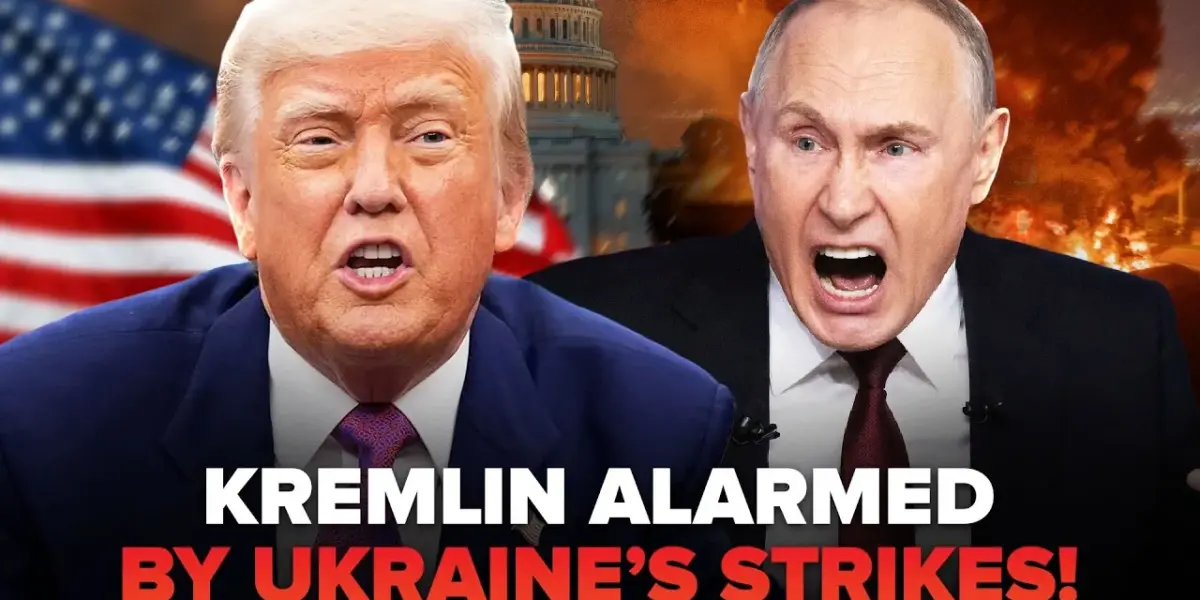
Ukraine’s Drone Strikes Undermine Russian Oil Fortunes
Kyiv’s drone attacks are significantly impacting Russia’s ability to profit from rising oil prices. These strikes are also exposing weaknesses in Russia’s defenses against unmanned aerial vehicles (UAVs). The Kremlin has acknowledged its limited capacity to protect vital energy export facilities, according to the Financial Times.
Impact on Russian Energy Revenues
Ukraine has effectively crippled Russia’s potential to gain financially from increased oil prices. Before these strikes, Russia’s ability to export oil was already expected to decrease by over 35% before the end of 2025. With Ukraine launching longer-range attacks, any financial gains Russia might have expected are now being offset by reduced production and export capabilities.
Russia’s Diplomatic Response and Baltic States
The effectiveness of Ukrainian strikes is evident in Russia’s diplomatic actions. The United States presented Ukraine with a proposal from Russia that specifically requested a temporary ceasefire targeting energy production sites. This move highlights Russia’s desire to halt Ukraine’s successful attacks on its energy infrastructure.
Russia’s Foreign Ministry has issued stern warnings to Baltic states. Spokesperson Maria Zakharova stated that countries providing airspace for Ukrainian strikes on Russian ports in the Baltic Sea have received an official warning. She suggested that if these nations possess sufficient judgment, they will cease such support, otherwise they will face retaliation.
NATO’s Position and Baltic Defense
The Baltic states, along with NATO allies, are preparing for potential Russian aggression. The presence of Finland alongside them strengthens their defensive posture. Joint NATO exercises and inter-country drills in Scandinavia and Poland demonstrate a coordinated effort to prepare for possible ground or air invasions.
Ukraine’s integration of its technology and expertise is seen as a crucial next step. This could lead to improved drone detection capabilities along the northern border. Any significant disruptions to airspace in these countries, similar to those already experienced in Poland, could prompt NATO to consider further deterrent measures against Russia.
Shifting Battlefield Dynamics
According to former CIA Director David Petraeus, Russia no longer holds a strategic advantage in the war. Despite Russia’s larger population, military numbers, and economy, Ukrainian forces are effectively holding their ground on the front lines. Over the past two months, Ukraine’s defense forces have achieved more significant battlefield successes than Russia, an outcome once considered unlikely.
Implications for Negotiations and Putin’s Regime
This shift in battlefield advantage likely makes Russia more desperate to secure its control over the Donetsk region. However, each Ukrainian victory makes this objective less attainable. The outcome may depend on convincing U.S. President Trump of Russia’s position.
Russia’s disadvantage extends to its domestic population. With internet shutdowns in major cities and Ukrainian drone raids impacting Russian cities, fears of a nationwide conscription are growing. This is seen as President Putin’s last remaining option, as his resources, including missiles and tanks, are depleted. A large-scale mobilization could potentially signal the end of Putin’s regime, a scenario long hoped for by the Russian people.
US Policy and International Alliances
The article also touches upon broader geopolitical issues, including U.S. policy towards Iran and its relationships with European allies and NATO. U.S. President Donald Trump’s proposed actions against Iran, such as threatening to destroy infrastructure, have raised concerns about potential war crimes. Iran’s proposal for a peace settlement, which included lifting sanctions and halting strikes against Hezbollah, was rejected by Trump. The article notes that Iran’s demands have expanded, while the U.S. administration’s goals have narrowed, focusing on issues like the reopening of the Strait of Hormuz.
Iran’s call for citizens to form human chains around power plants has been described as absurd and potentially criminal, drawing parallels to the Soviet Union’s handling of the Chernobyl disaster. Concerns are also raised about the stability of Iran’s leadership, with reports suggesting its new leader is in serious condition.
Furthermore, the article discusses potential friction between the U.S. and the United Kingdom regarding the use of British bases for strikes on Iranian infrastructure. The UK has indicated that its bases would be limited to defensive operations, excluding attacks on civilian infrastructure like bridges and power plants. This highlights a lack of coordinated planning between the U.S. and its European allies.
The relationship between the U.S. and NATO is also examined, with a mention of past disputes over Greenland. NATO is reportedly preparing for greater independence in defending Europe within the next nine years, a goal supported by increased spending from member countries. Any breakdown in the financial relationship between the U.S. and NATO could reduce benefits for the United States.
Finally, the article briefly mentions President Trump’s suggestion of running for president of Venezuela, a statement characterized as a joke. It also touches on the ongoing political situation in Venezuela, noting the continuation of political repression despite changes in leadership and the focus on oil exports.
Source: ⚡️Kremlin in TURMOIL! Kyiv is crushing Russia. Trump’s plan has fallen apart (YouTube)

Related Articles

Iran’s Truce Claims Crumble Amidst Regional Tensions
Reports of a ceasefire between Israel and Iran, allegedly brokered with U.S. involvement, are collapsing. No public document or official agreement exists, leaving the U.S. as the sole willing partner with much to lose. Meanwhile, Iran escalates rhetoric and continues regional actions, while domestic U.S. controversies distract from foreign policy.
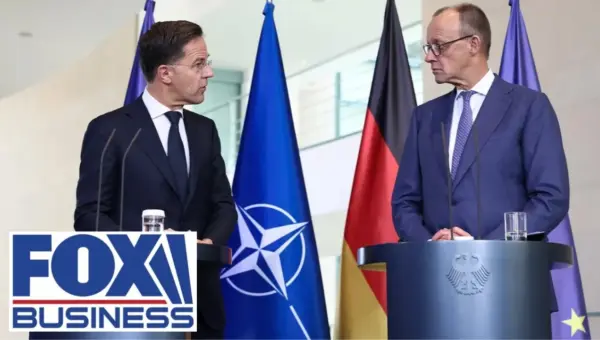
Rutte Faces Backlash: Trump Allies Criticize NATO Chief
NATO Secretary General Jens Stoltenberg's remarks on global safety and Iran's nuclear program have drawn fire from Trump allies. Former State Department official Christian Whiton called Stoltenberg the "odd man out" in Europe, questioning the substance behind his supportive words for U.S. policy. The debate also raises questions about potential U.S. troop realignments within the NATO alliance.
Ukraine Drones Inflict Heavy Russian Losses
Ukrainian drone units inflicted 29% more losses on Russian forces in March than in February, marking a significant tactical shift. President Zelenskyy remains firm on territorial integrity while open to dialogue. Meanwhile, US-Europe relations face strain amid discussions of troop realignments and NATO's future.