US Streamlines Draft List Amid Global Uncertainty
The U.S. is automatically adding men aged 18-25 to the Selective Service list, a potential draft registry. This administrative change, approved by Congress, aims to create a more complete list without requiring manual sign-ups. It does not, however, reinstate the military draft, which would require new laws and presidential approval.

US Streamlines Draft List Amid Global Uncertainty
The United States is making a change to how it keeps a list of potential military draftees. This list, called the Selective Service, is like a big emergency contact list. It’s not about anyone being in trouble or something bad happening right now. It’s just a way to know who is available if the country ever needs more soldiers quickly.
Why the Change Now?
The U.S. hasn’t used a military draft to force people to join the army since 1973. However, by law, most men between the ages of 18 and 25 are supposed to sign up for the Selective Service. This includes immigrants who are living here. Usually, they have to sign up within 30 days of turning 18. Currently, people have to sign up themselves.
The news is about a potential change coming soon, possibly by December. The government wants to automatically add people to this list. They would use information they already have. This means no extra forms or steps for people to take. It’s a way to make the process simpler and ensure the list is more complete. Congress has already agreed to this change as part of the 2026 defense spending bill.
What This Change Does NOT Mean
It’s important to understand what this change does not do. It does not start a military draft. For a draft to actually happen, Congress would need to pass a new law, and the President would have to sign it. This has not happened. The White House has said that a draft is “not part of the current plan.”
The Goal: A More Complete List
So, what is this change really about? It’s mainly about making sure the list of people who could be drafted is as accurate and full as possible. Right now, some people don’t sign up, even though there are penalties if they don’t. This new automatic process just makes sure everyone who should be on the list is on it. The rules for signing up are the same, but now it happens automatically.
Future Drafts Would Still Need More Steps
Even if a draft were to happen in the future, there would be many other steps involved. There would likely be a lottery system to decide who is called up. There would also be ways for people to be excused, such as for medical reasons or if they are conscientious objectors (people who refuse to fight for religious or moral reasons). None of these steps are happening now.
Global Impact
While this specific change is about streamlining an existing system, it happens at a time of increased global tension. Countries are watching each other more closely. Events in one part of the world can affect others, making nations think about their defense readiness. Making sure lists like the Selective Service are up-to-date is a routine part of national security planning. It ensures that if a serious emergency arose, the country would be better prepared to respond quickly and effectively.
Historical Context
The U.S. military draft has a long history. It was used extensively during World War I, World War II, the Korean War, and the Vietnam War. The last draft call was in 1973. Since then, the U.S. military has been an all-volunteer force. The law requiring men to register for the draft has remained in place, even though it hasn’t been used to call up soldiers for decades. This current change is about updating the administrative process, not about reinstating the draft itself.
Looking Ahead
For now, the focus is on administrative efficiency. The automatic registration is expected to start around December. This will ensure more people are accounted for on the Selective Service list. However, any actual decision to implement a draft would require new legislation and presidential approval, which is not currently on the horizon. The process remains a safeguard for national emergencies, not an immediate call to arms.
Source: Will you be drafted? Explain it like a 6-year-old | Jesse Weber Live (YouTube)

Related Articles

Maddow: Hegseth’s Firings Harm Military Safety Net
Rachel Maddow criticizes Pete Hegseth's "frenzy of firings" of top U.S. military leaders, arguing it undermines the military's ability to withstand political incompetence. This disruption, she warns, occurs at a critical time for national security, weakening the nation's defenses.

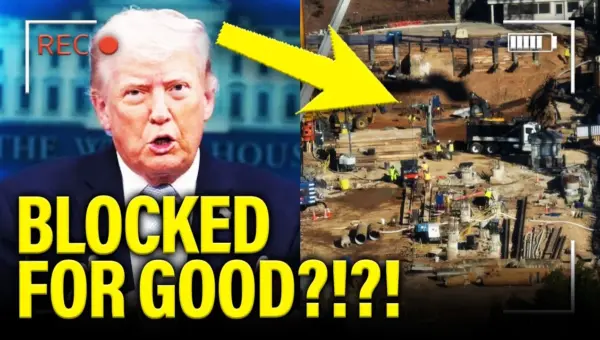
Judges Block Trump’s Secret White House Ballroom Plan
A federal appeals court panel, featuring a mix of judicial appointments, is reviewing Donald Trump's controversial plan to build a secret hospital and military bunker under a new White House ballroom. The case hinges on whether congressional approval is required for such construction, a point previously ruled against Trump.

Trump’s Ballroom Uses Foreign Steel Despite ‘America First’ Pledge
Donald Trump's new ballroom project is reportedly using steel from Luxembourg, contradicting his "America First" pledge and promises to bolster the U.S. steel industry. Reports suggest tens of millions of dollars in donated foreign steel are being used, raising questions about potential conflicts of interest and national security risks.