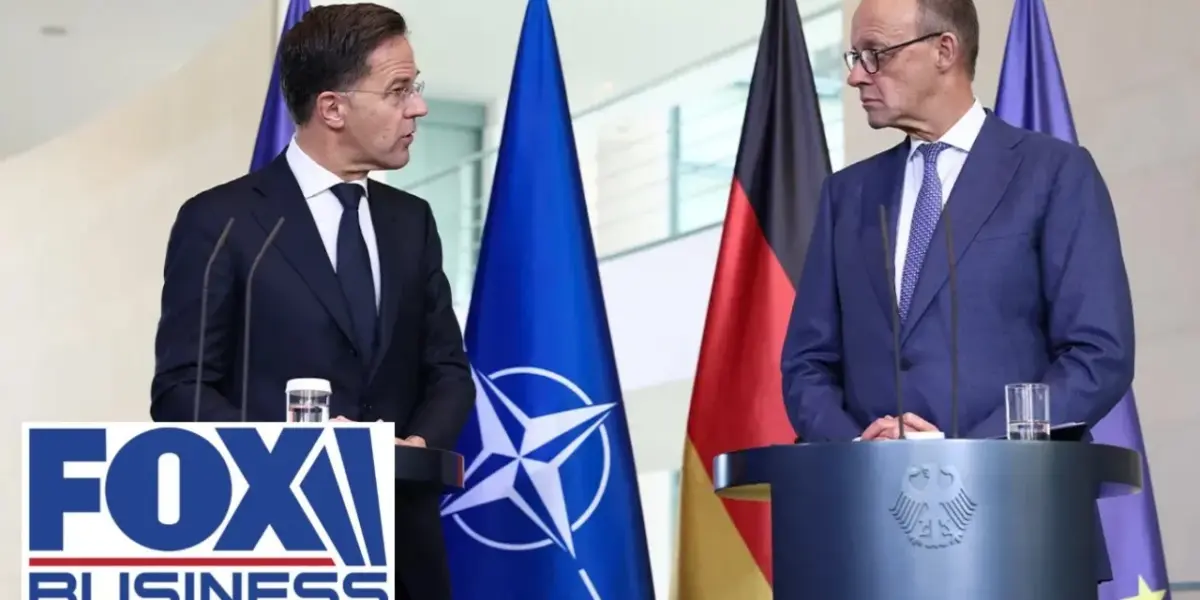
Rutte Faces Backlash: Trump Allies Criticize NATO Chief
NATO Secretary General Jens Stoltenberg's remarks on global safety and Iran's nuclear program have drawn fire from Trump allies. Former State Department official Christian Whiton called Stoltenberg the "odd man out" in Europe, questioning the substance behind his supportive words for U.S. policy. The debate also raises questions about potential U.S. troop realignments within the NATO alliance.

Rutte Faces Backlash: Trump Allies Criticize NATO Chief
NATO Secretary General Jens Stoltenberg’s recent comments on global safety and Iran’s nuclear ambitions have drawn sharp criticism from allies of former President Donald Trump. While Stoltenberg suggested the world is safer due to efforts to curb Iran’s nuclear capabilities, his stance has been labeled as contradictory by some key figures in the Republican party. This has led to questions about his leadership and the direction of the NATO alliance.
Stoltenberg’s Remarks Ignite Debate
Speaking on CNN, Stoltenberg stated that the world is indeed safer thanks to President Trump’s actions aimed at preventing Iran from acquiring nuclear weapons. He emphasized the importance of stopping Iran’s “terror regime” from obtaining an atom bomb, drawing a parallel to North Korea’s nuclear status. Stoltenberg also acknowledged that some NATO allies had not adequately supported the U.S. in addressing the Iran conflict.
Criticism from Trump Camp
Christian Whiton, a former State Department official and vocal supporter of Donald Trump, strongly disagreed with Stoltenberg’s assessment. Whiton described Stoltenberg as the “odd man out” within Europe. He pointed to the leaders of France, the United Kingdom, and Germany as holding positions often seen as anti-U.S., even independent of Trump’s specific policies. According to Whiton, these European leaders have previously opposed U.S. military bases and even attempted to build international coalitions against American interests, mirroring rhetoric used by U.S. Democrats and Iran itself.
“Rutte is great but he has absolutely nothing to back up his very promising words.”
Disagreement Over European Stance
Whiton argued that while Stoltenberg’s words might sound positive, they lack substance. He suggested that the core of the European leadership is not aligned with U.S. interests, making Stoltenberg’s supportive statements appear hollow. The former official implied that Stoltenberg’s position might be an attempt to appease the U.S. without real backing from major European powers.
Potential Troop Realignment within NATO
The discussion also touched upon a report from The Wall Street Journal. This report suggested that the Trump administration was considering punitive measures against NATO allies who denied over-flight requests for a military operation called “Operation Epic Fury.” The proposed action included relocating U.S. troops from uncooperative NATO countries to more supportive nations like Poland, Romania, and Greece. Such a move would require Congressional approval.
Commander-in-Chief Powers and Unilateral Action
However, Whiton expressed a different view on the necessity of Congressional approval. He argued that a president, acting as Commander-in-Chief, could potentially move troops without explicit permission from Congress. Whiton cited a provision in a 2023 law that requires Congressional consent to withdraw from NATO, calling it unconstitutional. He suggested that presidents have moved troops before and could do so again. Even without a direct withdrawal, Whiton proposed that a president could “quiet quit” by repositioning troops within NATO or by naturally allowing units to return home and not sending new ones. He also hinted at the need to look for bases outside of Europe, as global power dynamics are shifting away from the continent.
Market Impact and Investor Considerations
What Investors Should Know: This internal debate within NATO and potential shifts in U.S. troop deployments could signal broader changes in international security alliances and defense spending. Investors may want to monitor how these geopolitical discussions impact defense contractors, countries reliant on U.S. military support, and the overall stability of European markets. Changes in troop locations could also affect regional economic activity and infrastructure development. The emphasis on Iran’s nuclear program also highlights ongoing geopolitical risks in the Middle East, which can influence energy prices and global trade routes.
Source: Former State Department official: NATO Secretary General Rutte is ‘odd man out’ here (YouTube)

Related Articles
Trump Faces Backlash as Allies Criticize His War Strategy
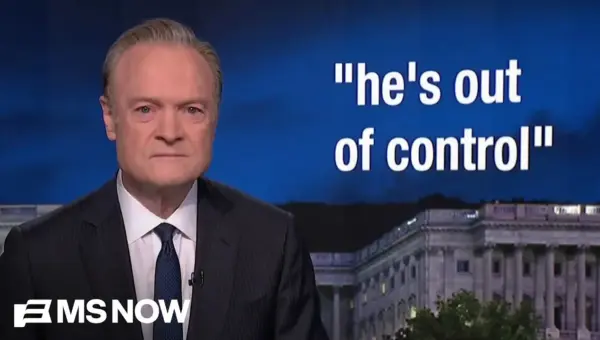
Donald Trump is facing increasing criticism from allies and political figures over his handling of a foreign conflict, with concerns mounting about his mental stability and decision-making. His wife, Melania Trump, has entered the discourse, calling for testimony from Epstein survivors, while figures like Marjorie Taylor Greene question his fitness for office. Reports also highlight issues with military preparedness and Trump's unique approach to international negotiations.
US Demands Iran Halt Nuclear Program in Peace Talks
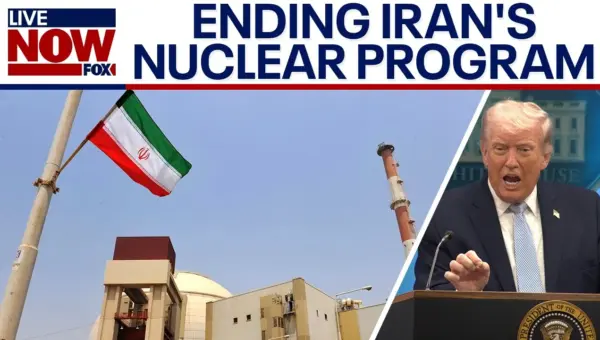
The United States will demand Iran completely end its nuclear program during peace talks in Pakistan this weekend. Vice President JD Vance will push for Iran to hand over all materials related to nuclear weapons development. Experts express low expectations for significant breakthroughs, citing Iran's past actions and current stance on uranium enrichment.
Canadian MP’s Fiery Speech Challenges U.S. Leadership
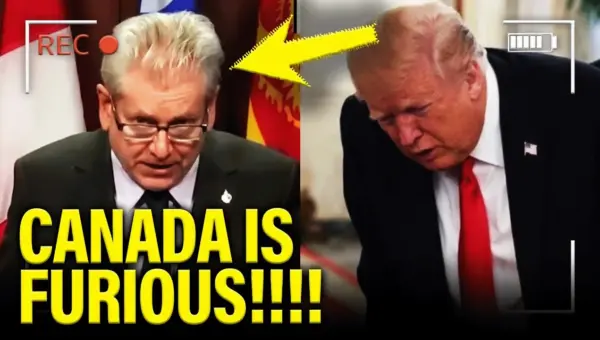
Former Canadian MP Charlie Angus delivered a powerful speech in Ottawa, criticizing Donald Trump's actions and urging global democratic action. He outlined ten steps for Canadians to protect their sovereignty and democracy.