Ukraine Drones Inflict Heavy Russian Losses
Ukrainian drone units inflicted 29% more losses on Russian forces in March than in February, marking a significant tactical shift. President Zelenskyy remains firm on territorial integrity while open to dialogue. Meanwhile, US-Europe relations face strain amid discussions of troop realignments and NATO's future.

Ukraine Drones Dramatically Increase Russian Casualties
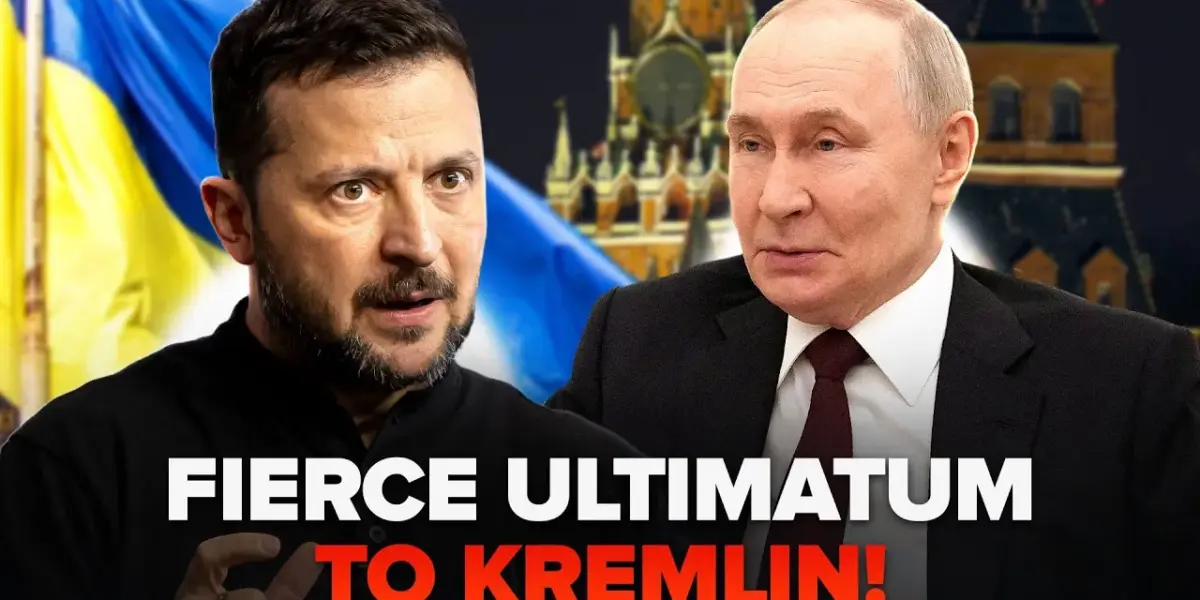
Ukrainian drone units inflicted 29% more losses on Russian forces in March compared to February, according to Ukraine’s Commander-in-Chief Oleksandr Syrskyi. This surge in drone effectiveness is helping Ukraine maintain battlefield initiative and prevent large-scale Russian offensives. Drones are proving to be a crucial tool, neutralizing more Russian personnel than the army can recruit. This development highlights a significant shift in modern warfare tactics.
Drone Warfare Escalates in Ukraine
In March, Ukrainian drone units conducted over 11,000 combat missions daily. They successfully struck over 150,000 verified targets, a 50% increase from February. These strikes targeted Russian logistics, command posts, and energy infrastructure up to 120 kilometers deep into enemy territory. Syrskyi specifically praised the 414th Separate UAV Brigade for destroying 26% more Russian pilot positions in March. These actions are crucial for disrupting Russian supply lines and command structures.
Russia Responds with Increased Drone Forces
In response to Ukraine’s growing drone capabilities, Russia is significantly increasing its own unmanned system troops. Moscow plans to expand its drone force from 101,000 personnel to 165,000 by the end of the year. This build-up indicates Russia’s recognition of the importance of drone warfare in the ongoing conflict.
Zelenskyy Ready for Talks, Rejects Territorial Concessions
Ukrainian President Volodymyr Zelenskyy has stated his readiness to meet with Russian President Vladimir Putin. However, he emphasized that such a meeting would not take place in Moscow or Kyiv. Zelenskyy proposed alternative neutral locations in the Middle East or Europe. Crucially, he stressed that Ukraine cannot discuss ceding any territory, particularly the Donbas region. He warned that abandoning these areas would allow Russian troops to occupy well-fortified positions without resistance. Zelenskyy believes Putin would not stop at Donbas and might target other major Ukrainian cities like Dnipro and Kyiv.
Concerns Over US Stance and NATO Stability
President Zelenskyy also expressed concerns that some American perceptions underestimate the threat posed by Russia’s ambitions. He suggested that certain US officials might be overly trusting of Putin’s assurances. This perception gap, he argued, could lead to a failure to fully grasp Russia’s long-term objectives. Zelenskyy also pointed to a perceived lack of deep understanding of Russia’s demands from certain US teams involved in peace talks, suggesting insufficient engagement with Kyiv.
Meanwhile, former US President Donald Trump has continued to voice criticism of NATO. Following a meeting with NATO Secretary General Mark Rutte, Trump reportedly suggested the US might reconsider its commitment to the alliance. This stems from his view that some allies have not sufficiently contributed to collective security efforts, particularly concerning operations against Iran. Rutte acknowledged Trump’s frustrations but also highlighted the significant support provided by many European allies in terms of basing, logistics, and overflights.
Potential US Troop Realignment and European Concerns
Reports suggest the current US administration is considering relocating American troops from European countries deemed less supportive of US operations. Countries like Spain, Germany, Italy, and France could see troop reductions, while allies such as Poland, Romania, Lithuania, and Greece might receive increased US military presence. This potential realignment, while not a full NATO withdrawal, signals significant strain in US-European relations. Some European nations are increasingly viewing the US, particularly under Trump’s potential leadership, as a greater threat than China, according to a recent survey.
Hungary’s Position and EU Support for Ukraine
Hungarian Prime Minister Viktor Orbán has drawn attention for his comments referencing a metaphorical relationship with Putin, likening himself to Putin’s “mouse.” While downplaying the significance of friendly tones in diplomatic communication, Orbán’s stance reflects Hungary’s continued alignment with certain Russian interests, particularly regarding energy. Concerns linger within the EU about Hungary’s potential to block crucial financial and military aid to Ukraine. Analysts are watching closely to see if Slovakia’s Prime Minister Robert Fico might assume a similar obstructive role if Orbán’s influence wanes, though Fico’s capacity to do so may be limited by Slovakia’s reliance on EU funding.
Strategic Implications
The escalating use of drones by Ukraine represents a critical evolution in battlefield tactics. By inflicting significant and increasing losses, Ukraine’s drone units are degrading Russian combat effectiveness and disrupting logistical networks. This asymmetric advantage challenges traditional military doctrines and forces Russia to divert resources to counter this threat. The potential realignment of US forces in Europe, driven by political considerations, could reshape the continent’s security architecture. It may lead to increased pressure on European nations to bolster their own defense capabilities while simultaneously altering the strategic positioning of US forces closer to Russia’s borders, potentially heightening regional tensions.
Historical Parallels
The current emphasis on drone warfare echoes earlier technological shifts in military history, such as the impact of air power in World War I and II, or the rise of guided missiles. Each introduced new methods of attack and defense, fundamentally altering strategic calculations. Similarly, the debates surrounding NATO’s future and burden-sharing have historical precedents, recurring during various periods of international tension. The current discussions reflect ongoing adjustments to alliance structures in response to evolving global threats and shifting political priorities among member states.
Source: 😱Zelenskyy sharply responded to Putin! Panic in Moscow. Urgent response from Kremlin. (YouTube)

Related Articles
Rutte Faces Backlash: Trump Allies Criticize NATO Chief
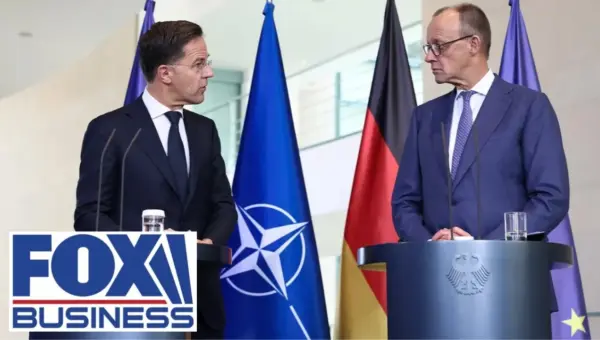
NATO Secretary General Jens Stoltenberg's remarks on global safety and Iran's nuclear program have drawn fire from Trump allies. Former State Department official Christian Whiton called Stoltenberg the "odd man out" in Europe, questioning the substance behind his supportive words for U.S. policy. The debate also raises questions about potential U.S. troop realignments within the NATO alliance.

US Shifts Alliances, Aligns With Russia, Alarming Europe
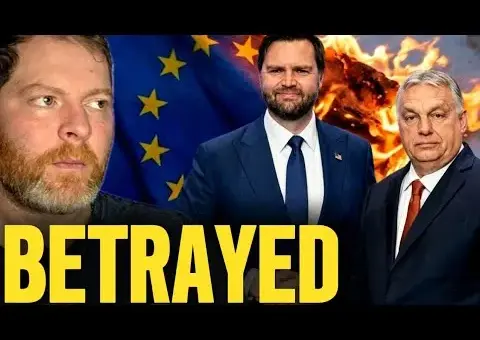
The United States is undergoing a significant foreign policy shift, moving closer to Russia and distancing itself from European allies. This change, highlighted by US support for Hungary's Victor Orban, signals a potential reshaping of global alliances and economic relationships.

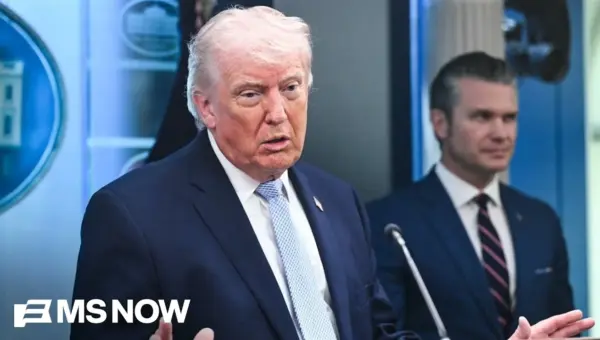
Iran Turns Strait of Hormuz Into ‘Toll Booth,’ Ex-Pentagon Official Warns
A former Pentagon spokesperson warns that Iran has turned the Strait of Hormuz into a 'toll booth,' significantly increasing its leverage. Shipping has dwindled, and fears of disruption persist. The situation also raises concerns about eroding U.S. deterrence and weakening NATO unity.