Mayor Pulls Back Free Bus Plan Amid Budget Reality
New York City Mayor Zohran Mamdani is scaling back his ambitious free bus plan to a limited pilot program due to significant fiscal realities. The rollback highlights tensions between progressive goals and budget constraints, as public sentiment grows regarding high taxes and government spending.

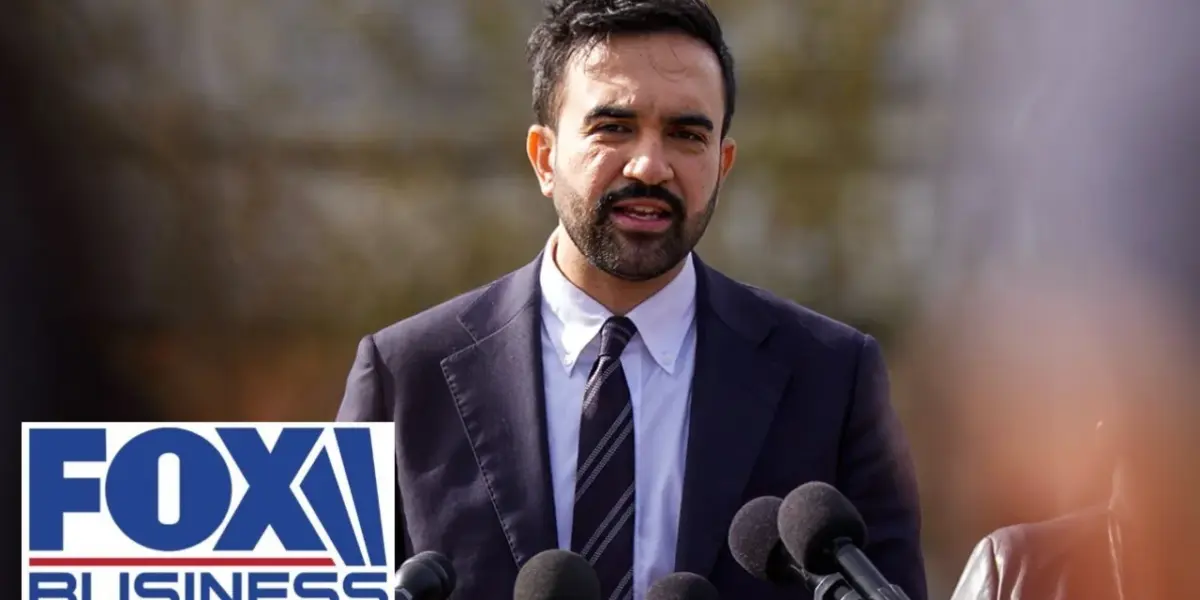
Mayor Zohran Mamdani Scales Back Ambitious Free Bus Proposal
New York City Mayor Zohran Mamdani is tempering expectations on his signature free bus initiative. After initially championing a city-wide, fare-free bus system, Mamdani’s administration is now pivoting to a smaller, more limited pilot program. This shift comes as the administration grapples with the significant financial implications of such a widespread public transit overhaul.
The original proposal for completely free bus service faced skepticism from lawmakers and questions from the public about its overall cost and feasibility. While the idea of free public transportation is popular with many, the practicalities of funding and implementation are now taking center stage. Some supporters of Mamdani’s progressive agenda are expressing disappointment, seeing the rollback as a sign of ceding to fiscal realities that could undermine campaign promises.
Fiscal Realities Clash with Progressive Goals
The move away from a universal free bus system highlights a recurring tension between ambitious social policies and the budgets required to sustain them. While Mamdani’s base may support initiatives like raising taxes on the wealthiest individuals, the broader political landscape, particularly at the state level, presents significant hurdles. State lawmakers, concerned about businesses and high earners relocating to lower-tax states, are often hesitant to approve broad tax increases.
This leaves leaders like Mamdani with fewer options. Without state approval for new revenue streams, the city must either find significant cost savings elsewhere or scale back its most costly initiatives. The proposed property tax increase on all residents, an alternative that has surfaced, is also likely to face strong opposition, as it shifts the burden to a wider taxpayer base.
Public Sentiment on Taxes and Government Spending
Recent polling data reveals a complex public attitude towards taxes and government spending. A Fox News poll indicated that 70% of Americans are unhappy with high federal taxes, a sentiment that has grown significantly. This dissatisfaction is not limited to one political group; it includes voters with graduate degrees, self-identified liberals, and moderates, all showing increased anger about tax burdens year-over-year.
A key driver of this frustration appears to be a perception of government inefficiency and waste. Many taxpayers, even those who believe the wealthy should pay more, express anger when they feel their tax dollars are not being spent wisely. The sentiment is clear: if the government is going to collect taxes, it should demonstrate responsible stewardship of those funds and deliver tangible results.
“What bothers people the most and is pulling about federal income taxes that the wealthy are not paying enough. … The people are upset with the taxes because they don’t want to contribute because they see the money not being spent properly… If you’ll text me, let’s do something with the money. And that’s what I think is infuriating.”
Economic Migration and Regional Divides
Beyond city-level policy debates, broader economic trends are reshaping the nation. Reports suggest a significant migration of economic activity and population from the Northeast and Midwest towards states in the South and Southwest, often referred to as the “Boom Belt.” These booming regions, including states like Texas and Florida, are experiencing higher GDP growth and attracting new businesses and residents.
This economic divergence raises questions about regional policies and their long-term impact. States that are successfully attracting businesses and fostering growth through favorable tax policies and regulatory environments may see continued prosperity. Conversely, states struggling with economic stagnation could face increasing challenges as residents and businesses seek more advantageous locations. This economic divide could exacerbate political and social tensions between different regions of the country.
The Cost of Public Transit: More Than Just Fares
The challenges of implementing a free bus system extend beyond simply eliminating fares. Transportation officials point out that a significant increase in ridership would necessitate substantial investments in infrastructure and operations. This includes acquiring more buses, hiring additional drivers, and potentially expanding depot facilities.
Furthermore, a shift of riders from subways to buses could impact existing revenue streams for the transit system. A comprehensive feasibility study, costing an estimated $300 million, would be required to fully understand these cascading effects. Such studies are crucial for assessing the true cost and potential unintended consequences of major policy changes, moving beyond the initial appeal of a popular idea.
Market Impact and Investor Considerations
The ongoing debates surrounding taxation, government spending, and regional economic disparities have potential implications for investors. States and cities that demonstrate fiscal responsibility and create environments conducive to business growth may offer more stable investment opportunities. Conversely, areas facing significant budget deficits or implementing policies perceived as detrimental to economic activity could present greater risks.
For investors, understanding these underlying economic trends and policy shifts is key. The migration of talent and capital towards certain regions suggests potential growth areas, while others may face challenges. The public’s growing concern over tax burdens and government spending could also influence policy decisions at various levels, impacting sectors reliant on government contracts or consumer spending influenced by tax policies.
The willingness of states like those in the “Boom Belt” to actively court businesses through strategic planning and incentives is noteworthy. This proactive approach to economic development contrasts with cities facing budget constraints and potential service reductions. Ultimately, the ability of any city or state to attract and retain economic activity will depend on its capacity to offer a compelling value proposition to businesses and residents alike.
Source: NEW: Mamdani holds his horses on free buses (YouTube)

Related Articles

Data Center Debate Ignites Violence in Indiana
A violent attack on an Indianapolis city councilman's home, linked to his support for a data center, highlights growing tensions over technological development. Councilman Ron Gibson faced gunfire after approving a half-billion-dollar project, sparking debate about jobs versus resource strain and community benefits.

GOP Eyes $1.5T Defense Budget, Targets Wasteful Spending
House Republicans are proposing a $1.5 trillion defense budget for 2027, aiming to boost national security and modernize the military. The plan includes cutting wasteful spending and using budget reconciliation to bypass Democratic opposition. Geopolitical tensions with Iran also add a layer of complexity to the fiscal outlook.

Mayor’s Bold Plan: Tax Rich to Fund Social Good
New York City Mayor Eric Adams is proposing to tax the wealthy to fund social programs like universal childcare and affordable housing. He criticizes proposed military spending while New Yorkers face economic hardship. Adams emphasizes delivering on campaign promises and believes in "sewer socialism" – fixing small problems to build trust for bigger changes.