Lebanon Reels From Attacks; China Mediates Iran Conflict
Lebanon is reeling from Israeli attacks on Beirut, hours after a ceasefire with Iran was announced. Hundreds were injured, and rescue efforts continue amidst a deepening humanitarian crisis. Meanwhile, China has emerged as an unlikely mediator, leveraging its economic ties with Iran to push for de-escalation.

Lebanon Devastated by Strikes Amidst Fragile Ceasefire
Lebanon remains in shock following Israeli attacks on Beirut, occurring just hours after a ceasefire with Iran was announced. The situation on the ground is dire, with hundreds injured and rescue efforts underway to free civilians trapped in the rubble. Despite assurances, the path to peace appears uncertain.
Ceasefire Strains as Violence Continues
A fragile ceasefire between the U.S. and Iran is teetering on the brink. Shipping traffic in the critical Strait of Hormuz has stalled, a major point of contention. Adding to the tension, Israel launched further strikes inside Lebanon. While Pakistan stated Lebanon was included in the ceasefire agreement, Israel maintained its campaign against Hezbollah was separate, leading to renewed attacks, including on the Lebanese capital, Beirut.
On the Ground: Fear and Distrust in Lebanon
Zoya Auki, a freelance producer on the ground in Lebanon, described the devastating impact of the attacks. “People were devastated,” Auki reported. “Yesterday was terrible because it all happened at the same time. People lost their houses.” She detailed scenes of destruction, including a 10-story building in Beirut being leveled, resulting in at least 30 civilian deaths, with the stated aim of targeting a single Hezbollah member. “The situation is dramatic,” Auki added, highlighting the ongoing humanitarian crisis with displaced people and missing individuals.
Lebanon Seeks Direct Talks, Not Iranian Mediation
Regarding potential negotiations, Auki explained the Lebanese government’s stance. “The Lebanese government stand. They don’t want to go through Iran. They want to have direct negotiations with Israel,” she said. Prime Minister Nawaf Salam contacted the Prime Minister of Pakistan to thank him for his ceasefire efforts and requested Lebanon’s inclusion in future agreements. However, the immediate priority for Lebanon is direct dialogue with Israel to disarm Hezbollah and establish peace.
Humanitarian Crisis Deepens
The attacks have exacerbated an already critical humanitarian situation. Hundreds of thousands of people have been displaced from southern Lebanon and Beirut’s suburbs. Auki recounted the harrowing experience of families searching for loved ones among the dead. “At the Rafik Hariri Public Hospitals, there was a container that was standing in front of the Hariri Public Hospitals that had 95 corpses,” she stated, emphasizing the ongoing search for missing people who may still be under the rubble.
China’s Role as an Unlikely Mediator
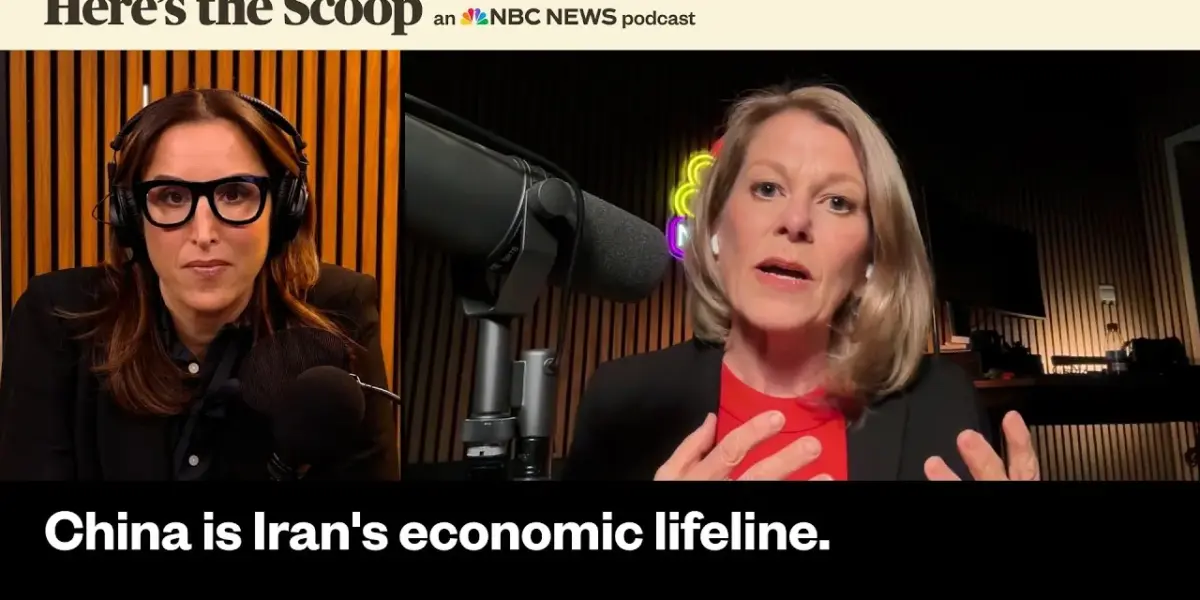
Amidst the escalating conflict, China has emerged as an unexpected mediator. NBC News correspondent Janice Mackey-Frierson explained China’s motivations, primarily driven by energy security. “Beijing stepped in for reasons of energy security because it gets so much of its oil through the Strait of Hormuz,” she noted. China, a major buyer of Iranian oil, has a vested interest in restoring energy flows and reopening the vital shipping lane.
China’s Leverage and Strategic Interests
Mackey-Frierson detailed China’s economic leverage over Iran, describing a complex system for trading Iranian oil that bypasses U.S. sanctions. “China is Iran’s economic lifeline,” she said. “The fact that Iran has been able to sell its oil to China at deep discounts for so long has allowed Iran to get revenue from that oil.” This parallel system, which also bypasses the U.S. dollar, is crucial for both China’s energy supply and its broader economic strategy.
Diplomatic Maneuvers and Future Outlook
While Pakistan is serving as the primary mediator, China is quietly reinforcing these efforts. Beijing has been in consistent communication with Tehran, urging de-escalation. “They are not acting as a mediator. Pakistan is the mediator here, but they are reinforcing what Pakistan is trying to do,” Mackey-Frierson clarified. China’s involvement is seen as a strategic move to position itself as a responsible global player and to ensure a stable environment for upcoming U.S.-China diplomatic engagements.
Challenges Remain in U.S.-China Relations
Despite this cooperative effort, deep strategic mistrust between the U.S. and China persists. Thorny issues regarding trade, tariffs, and China’s role in helping Iran evade sanctions remain significant sticking points. While China’s mediation may offer a temporary diplomatic boost, it is unlikely to fundamentally alter the complex relationship between the two global powers.
Looking Ahead: Continued Uncertainty
The situation remains volatile. Zoya Auki warned, “I think we’re still going to have more attacks. We’re still going to have more attacks. I mean, and we cannot afford it anymore.” With ongoing displacement and a lack of shelter, the immediate future for Lebanon is uncertain. The hope is for a lasting resolution, but the path forward is fraught with challenges, both on the ground and in international diplomacy.
Source: Shell-Shocked Lebanon and China Plays Mediator in the Iran War – April 9 | Here's the Scoop (YouTube)

Related Articles
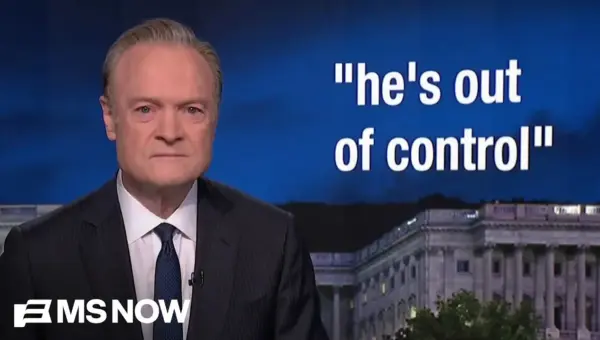
Trump Faces Backlash as Allies Criticize His War Strategy
Donald Trump is facing increasing criticism from allies and political figures over his handling of a foreign conflict, with concerns mounting about his mental stability and decision-making. His wife, Melania Trump, has entered the discourse, calling for testimony from Epstein survivors, while figures like Marjorie Taylor Greene question his fitness for office. Reports also highlight issues with military preparedness and Trump's unique approach to international negotiations.
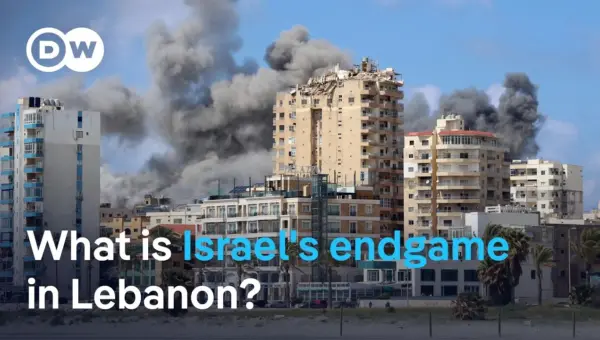
Israel Bombs Beirut, Netanyahu Approves Talks Amid Ceasefire Confusion
Israel has bombed Beirut and approved talks with Lebanon amid confusion over a US-Iran ceasefire deal. Analyst Shakria Brados explains the differing goals of the US and Israel, and how a shift in Lebanese government policy may enable cooperation against Hezbollah.
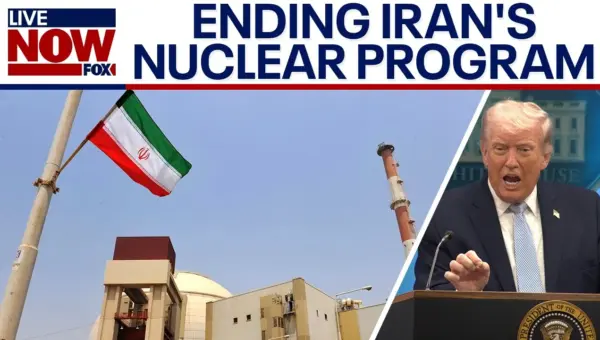
US Demands Iran Halt Nuclear Program in Peace Talks
The United States will demand Iran completely end its nuclear program during peace talks in Pakistan this weekend. Vice President JD Vance will push for Iran to hand over all materials related to nuclear weapons development. Experts express low expectations for significant breakthroughs, citing Iran's past actions and current stance on uranium enrichment.