Israel Escalates Lebanon Strikes Amid Ceasefire Dispute
Israel is intensifying strikes against Hezbollah in Lebanon, leading to a dispute with Iran over a ceasefire agreement. Prime Minister Netanyahu vows to continue operations until security is restored, while also planning direct talks with Lebanon to demilitarize Beirut and disarm Hezbollah.

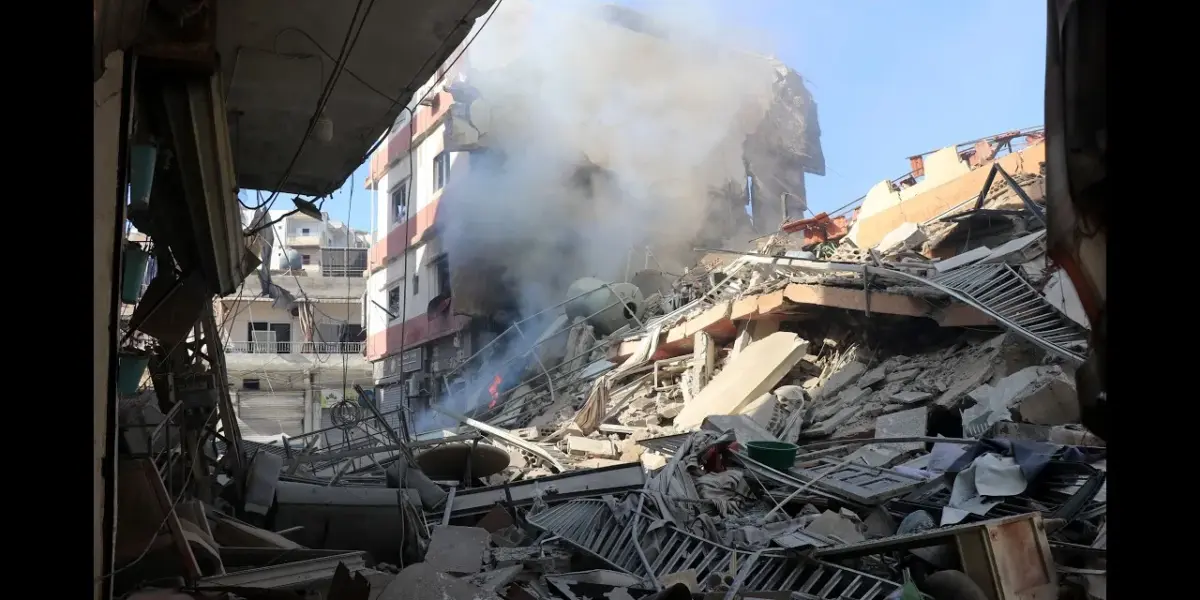
Israel Escalates Lebanon Strikes Amid Ceasefire Dispute
Tensions are rising in the Middle East as Israel continues its military actions against Hezbollah in Lebanon. Iran is calling on Israel to halt these strikes, claiming they violate a ceasefire agreement related to the war in Iran. However, Israel’s Prime Minister Benjamin Netanyahu insists these operations will continue with full force until security is restored for Israeli citizens living near the Lebanese border.
Recent Strikes and Iranian Reaction
Surveillance footage has shown recent Israeli airstrikes hitting buildings in Lebanon. The Israel Defense Forces have released videos of these strikes targeting what they call Hezbollah’s terrorist infrastructure. On Thursday, Israel reported killing Naim Qassem, identified as the personal secretary for Hezbollah’s leader. Qassem had reportedly instructed the group not to disarm, despite calls from the Lebanese government.
Iran, through its state-run media, has stated that Israel’s actions in Lebanon are a breach of the ceasefire terms for the conflict in Iran. Iranian officials also suggest that these Israeli strikes make any ceasefire negotiations for the Iran war meaningless. The United States and Israel, however, disagree, asserting that the conflict between Israel and Hezbollah is separate from the Iran war ceasefire agreement.
Northern Israel Under Threat
The situation has directly impacted northern Israel. On Thursday, sirens sounded, forcing residents to seek shelter in bomb shelters. One woman in a shelter could be heard shouting for a ceasefire. Another resident expressed a strong desire for the Israeli government to continue its operations against Hezbollah without backing down.
“We need to finish the job in Lebanon, right? That’s what I can say.”
This sentiment reflects a long-standing frustration. “Over 50 years of shelling,” one local resident stated. “I grew up here as a child, raised children, and now I’m raising grandchildren. We, as a nation, absolutely must put an end to it.” This shows a deep-seated desire for a permanent resolution to the ongoing conflict.
Netanyahu’s Stance and Future Plans
Prime Minister Netanyahu addressed the residents of northern Israel, expressing pride in their resilience. He made it clear that there is no ceasefire in Lebanon and that Israel will continue to strike Hezbollah with full force. His primary goal is to restore security to the region. Netanyahu also announced that Israel intends to begin direct negotiations with Lebanon. The aim of these talks would be to demilitarize Beirut, disarm Hezbollah, and ultimately reach a peace agreement between the two nations.
Why This Matters
The ongoing conflict between Israel and Hezbollah, supported by Iran, is a critical flashpoint in the Middle East. Iran’s involvement and its claims of ceasefire violations highlight the complex web of alliances and rivalries in the region. The situation directly affects the daily lives of civilians on both sides of the border, as seen with the sirens and residents seeking shelter in northern Israel.
Prime Minister Netanyahu’s firm stance and his plans for direct negotiations with Lebanon signal a potential shift in diplomatic strategy. The goal of demilitarizing Beirut and disarming Hezbollah is ambitious. It suggests Israel is seeking a more lasting solution rather than temporary truces. The international community is watching closely, as any escalation could have far-reaching consequences for regional stability.
Historical Context and Future Outlook
The conflict between Israel and Hezbollah has a long and often violent history. Hezbollah, designated as a terrorist organization by many countries, emerged in the early 1980s and has been a significant military and political force in Lebanon. Israel’s security concerns stem from Hezbollah’s extensive rocket arsenal and its operations along the border.
The current escalation occurs against the backdrop of broader regional tensions, particularly involving Iran’s influence. The dispute over the ceasefire agreement underscores the difficulty in establishing lasting peace. If Israel’s proposed negotiations with Lebanon proceed, they could mark a significant attempt to address the root causes of the conflict. However, achieving disarmament and a lasting peace will likely require substantial compromises and sustained diplomatic efforts from all parties involved.
Source: Israel Strikes Iran Backed Hezbollah in Lebanon (YouTube)

Related Articles
Trump Faces Backlash as Allies Criticize His War Strategy
Donald Trump is facing increasing criticism from allies and political figures over his handling of a foreign conflict, with concerns mounting about his mental stability and decision-making. His wife, Melania Trump, has entered the discourse, calling for testimony from Epstein survivors, while figures like Marjorie Taylor Greene question his fitness for office. Reports also highlight issues with military preparedness and Trump's unique approach to international negotiations.
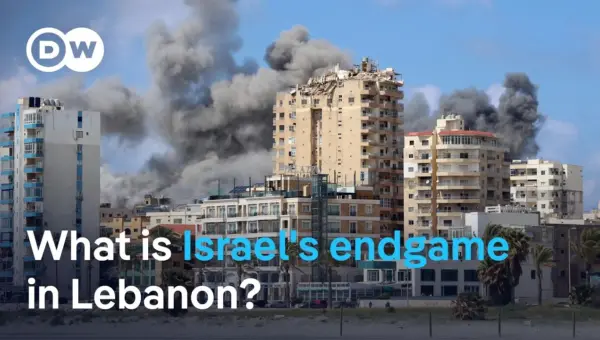
Israel Bombs Beirut, Netanyahu Approves Talks Amid Ceasefire Confusion
Israel has bombed Beirut and approved talks with Lebanon amid confusion over a US-Iran ceasefire deal. Analyst Shakria Brados explains the differing goals of the US and Israel, and how a shift in Lebanese government policy may enable cooperation against Hezbollah.
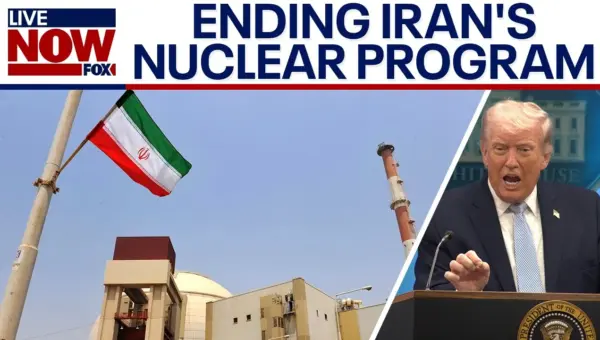
US Demands Iran Halt Nuclear Program in Peace Talks
The United States will demand Iran completely end its nuclear program during peace talks in Pakistan this weekend. Vice President JD Vance will push for Iran to hand over all materials related to nuclear weapons development. Experts express low expectations for significant breakthroughs, citing Iran's past actions and current stance on uranium enrichment.