Trump’s Tariffs Face New Legal Test in Trade Court
Twenty-four states and two small businesses are challenging President Trump's global tariffs, arguing he lacks the authority under Section 122 of the Trade Act of 1974. This legal battle follows a Supreme Court ruling that limited similar emergency tariff powers.

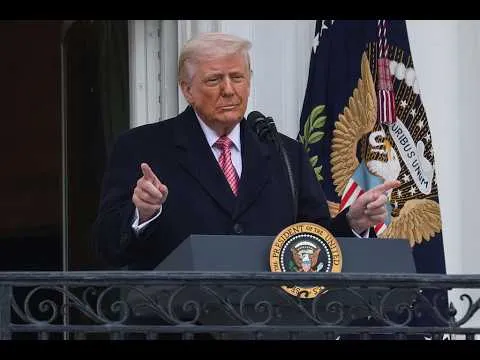
Trump’s Tariffs Face New Legal Test in Trade Court
The nation’s top trade court is once again examining the president’s power to impose global tariffs. This time, the legal challenge focuses on tariffs applied under a different law, Section 122 of the Trade Act of 1974. This new fight follows a Supreme Court decision that limited the president’s ability to use emergency powers for broad tariff increases.
Twenty-four states, led by Democrats, along with two small businesses, are asking the court to block these latest tariffs. They argue that the president has overstepped his authority, just as they claim he did with earlier tariffs.
A Previous Ruling, A New Approach
The Supreme Court previously ruled that an emergency powers statute, known as the IPA, did not give the president clear authority to impose wide-ranging tariffs. The court stated that Congress had not specifically granted such power under that law. This decision disappointed those who supported the tariffs.
Following this ruling, the president quickly put in place temporary 10% global tariffs using Section 122 of the Trade Act of 1974. The reason given was the country’s large and ongoing trade deficit, meaning the U.S. buys more from other countries than it sells to them.
The Legal Arguments
Now, the same legal team representing the businesses in the earlier case, along with the states, is bringing a similar argument to the court. They contend that the president does not have the authority under Section 122 either. Their filings argue that the U.S. is not currently facing the kind of severe international payment problems that Section 122 was designed to address.
Furthermore, the plaintiffs claim that Section 122 was intended for short-term emergencies, not for imposing widespread, long-term tariffs. They believe the current tariffs do not fit the law’s original purpose.
The Government’s Defense
The Justice Department, representing the president, has responded by arguing that Section 122 clearly gives the president the power to set tariffs. They point out that the president’s actions align with suggestions made by the plaintiffs’ attorney in the previous case. The government also states that the president has followed the limits set by Section 122, which allows for a surcharge of up to 15% for a maximum of 150 days.
The plaintiffs are asking the court to decide the case based on the law itself. They also want the court to put a hold on the tariffs while the legal process moves forward. A hearing was scheduled to discuss these issues.
Why This Matters
This case is important because it tests the limits of presidential power in setting trade policy. Tariffs can significantly impact businesses, consumers, and international relations. The outcome will affect how future presidents can use trade laws to respond to economic challenges.
The core of the dispute lies in how broadly laws written decades ago can be interpreted to grant power to the executive branch in today’s complex global economy. It highlights the ongoing tension between the president’s role in conducting foreign policy and Congress’s constitutional authority to regulate commerce.
Historical Context
Trade laws like the Trade Act of 1974 were created during a period of significant global economic change. The U.S. was grappling with trade imbalances and seeking tools to protect domestic industries. Section 122, specifically, was included to provide a mechanism for addressing situations where a country’s international payments were significantly out of balance.
However, the way economies operate and international trade is conducted has evolved dramatically since the 1970s. This evolution raises questions about whether older laws are still suitable for modern economic challenges, or if they can be stretched to cover new situations. The legal battles over tariffs reflect this ongoing debate about adapting old laws to new realities.
Looking Ahead
The legal arguments presented in this case could set important precedents for how trade laws are applied in the future. If the court rules against the president, it could further constrain executive authority on tariffs. Conversely, a ruling in favor of the government could strengthen the president’s hand in using these tools.
The outcome will likely influence how future administrations approach trade disputes and economic policy. It also underscores the critical role of the courts in interpreting the law and ensuring that government actions remain within their legal bounds.
Source: Court to Hear Challenges to Trump's Section 122 Tariffs (YouTube)

Related Articles
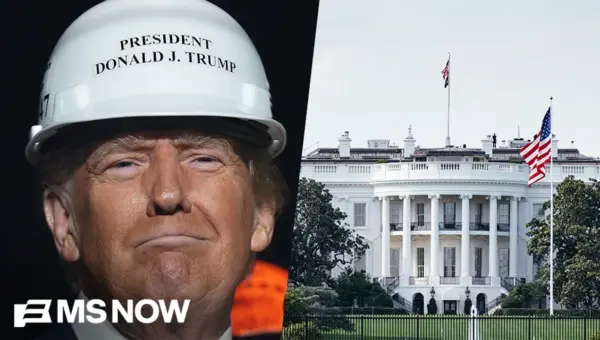
Trump’s Ballroom Uses Foreign Steel Despite ‘America First’ Pledge
Donald Trump's new ballroom project is reportedly using steel from Luxembourg, contradicting his "America First" pledge and promises to bolster the U.S. steel industry. Reports suggest tens of millions of dollars in donated foreign steel are being used, raising questions about potential conflicts of interest and national security risks.
Vatican-White House Clash: Tensions Rise Over Global Moral Authority
Reports of tension between the Trump administration and the Vatican have surfaced, with a journalist claiming the White House pressured Vatican officials. The Department of Defense denies these claims, calling them "distorted" and stating meetings were "respectful." Experts suggest the Vatican's global moral authority may be a source of conflict.


Trump’s ‘Peace’ Claims Crumble Amidst Escalating Regional Conflict
Claims of a ceasefire holding in the Middle East are being challenged by ongoing military actions and escalating tensions. The analysis scrutinizes reports of dishonesty from both the Trump administration and mainstream media, questioning the narrative of peace amidst continued strikes and regional instability. It also explores the constitutional implications of executive war powers and the broader impact on international relations.