Philippines Fortifies Islands Against China’s Aggression
The Philippines has opened a new coast guard base on a disputed island in the South China Sea amid rising tensions with China. Shortly after the opening, Chinese forces allegedly fired warning flares at a Philippine aircraft, an act the Philippines called reckless harassment.

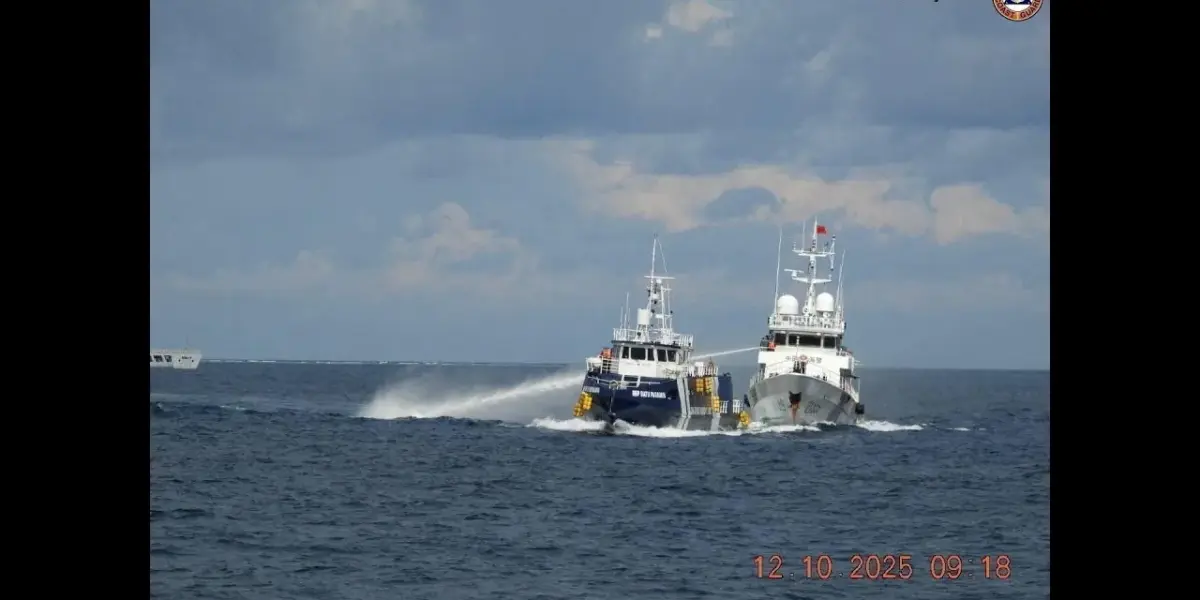
Philippines Fortifies Islands Against China’s Aggression
The Philippines is making a bold move in the South China Sea. They recently opened a major new coast guard base on a disputed island. This is happening as tensions with China keep growing. Officials say this new base will help the Philippines better protect its territory.
But the situation remains tense. Just hours after the base opened, Philippine officials reported a new incident. They claim Chinese forces fired warning flares at a Philippine aircraft. This action was described as a dangerous act of intimidation. It shows how quickly things can heat up in this strategic waterway.
A New Base, A Stronger Stance
The new Coast Guard command center is located on Tetu Island. Its opening officially strengthens the Philippines’ presence in the South China Sea. The base will have Coast Guard personnel working there. It will also be supported by patrol ships and aircraft. These resources are crucial for monitoring the area.
This development is significant because Chinese Coast Guard and government-linked vessels are often seen patrolling these waters. The new facility aims to improve the Philippines’ ability to watch for activity, enforce its own maritime laws, and respond to any aggressive actions from China. It’s a clear signal that Manila is determined to assert its rights.
China’s Claims and International Law
China claims almost the entire South China Sea as its own. However, an international court has rejected these claims. Despite this ruling, China continues to press its assertions. This creates ongoing friction with countries like the Philippines that have competing claims in the region.
The new base is a direct response to China’s assertive behavior. It highlights the ongoing struggle over who controls these vital shipping lanes and resource-rich waters. The Philippines is using this new facility to push back against what it sees as unlawful encroachment.
Escalating Tensions: Flares and Warnings
The situation quickly became more heated after the base’s opening. The Philippine Coast Guard reported that Chinese forces fired flares at one of their patrol aircraft. This happened during a normal mission. The incident occurred near Subie and Mischief Reefs. China currently occupies these areas, which are located west of the Philippines.
Philippine officials stated that the aircraft also received radio warnings. In these transmissions, Beijing claimed it had unquestionable sovereignty over the area. The Philippines has strongly condemned this encounter. They called it reckless and a clear act of harassment. This incident underscores the risks involved in these routine patrols.
Why This Matters
This new coast guard base and the subsequent flare incident are more than just local news. They are part of a larger, ongoing struggle for influence and control in the Indo-Pacific region. The South China Sea is one of the world’s busiest shipping routes. Many countries rely on it for trade and economic activity. Any disruption or conflict there can have global consequences.
The Philippines’ action is a sign of growing assertiveness among Southeast Asian nations facing pressure from China. It shows a willingness to push back, even in the face of a much larger military power. This could encourage other nations in the region to take a firmer stance as well. It also highlights the importance of international law and rulings, even when they are ignored by powerful states.
Historical Context and Future Outlook
Disputes in the South China Sea are not new. For decades, various countries have laid claim to islands and waters within this vast area. China’s expansive claims, often shown on maps with a ‘nine-dash line’, have been a source of tension for many years. The 2016 international tribunal ruling against China’s claims was a significant moment, but it has not stopped Beijing’s activities.
The establishment of this new base by the Philippines is a modern development in this long-standing dispute. It represents a shift towards more visible and active defense of national interests. In the future, we can expect continued patrols and potential confrontations. Both China and the Philippines will likely increase their presence and their efforts to assert control. This could lead to more diplomatic protests or, unfortunately, further dangerous incidents.
Implications and Trends
The trend here is clear: increased militarization and competition in the South China Sea. The Philippines is not alone in seeking stronger security partnerships. Many regional countries are looking for ways to balance China’s growing power. This might involve strengthening their own defenses, as the Philippines has done, or forming closer ties with allies like the United States.
The incident with the warning flares also points to a potential escalation in tactics. Instead of direct military conflict, we may see more actions designed to intimidate and harass. These could include using water cannons, blocking supply missions, or, as seen here, firing warning flares. These actions create risks without necessarily crossing the threshold into open warfare, making them difficult to respond to effectively.
This situation demands careful attention from the international community. Maintaining freedom of navigation and upholding international law are crucial for global stability. The Philippines’ new base is a local response, but its implications stretch far beyond its shores. It’s a reminder that the future of this vital sea is still being decided.
Source: Philippines Opens New Coast Guard Base Amid South China Sea Tensions (YouTube)

Related Articles
China Courts US Oil Amid Iran Deal, Rare Earth Race Heats Up
China is now importing US oil amid a complex geopolitical landscape, including brokering an Iran ceasefire and facing challenges in its rare earths dominance. Meanwhile, regional disputes over strategic islands and airspace add to global tensions.


Iran War Looms as China Pushes for Deal
Confusion over draft registration changes and escalating tensions with Iran dominate geopolitical discussions. While China pushes for a diplomatic solution to prevent conflict, the US faces complex negotiations. Meanwhile, the First Lady addresses rumors, seeking to clear her name amidst ongoing scandals.


China’s Supercomputer Breached: A Digital Gold Rush?
A massive data breach allegedly targeting a Chinese supercomputer could be one of the largest ever linked to China. Sensitive military and scientific data may have been stolen over months, raising concerns about national security and the global tech race.