Philippines Fortifies South China Sea Claim with New Base
The Philippines has opened a new coast guard base in the disputed South China Sea, asserting its sovereignty amidst rising tensions. This move follows an accusation by the Philippines that Chinese forces fired flares at one of its patrol aircraft, highlighting ongoing friction in the vital waterway.

Philippines Fortifies South China Sea Claim with New Base
The Philippines has opened a significant new coast guard base in a part of the South China Sea that is claimed by several countries. This move is seen as a strong statement about Manila’s determination to protect its territory. The base is located on an island already used by Filipino soldiers and civilians. Officials in the Philippines are calling the new facility a “steadfast sentinel of its sovereignty,” meaning it will stand guard over the nation’s rights.
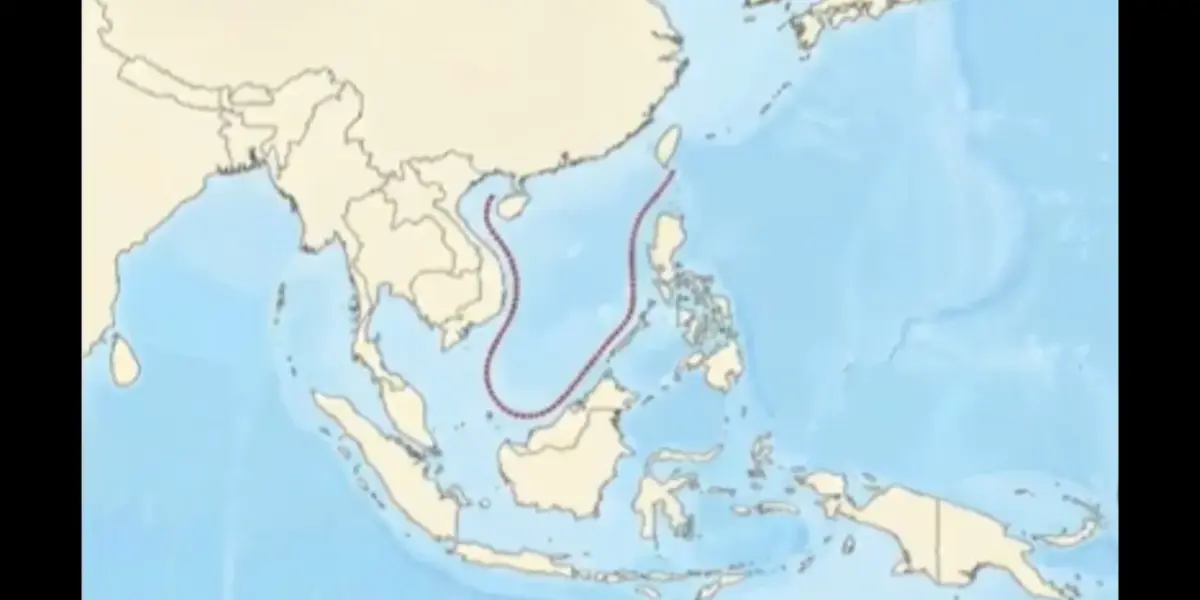
This area of the South China Sea is a constant focus of attention. Chinese ships and aircraft are often seen nearby. China claims almost the entire South China Sea as its own. This claim is not recognized by an international court. In 2016, a global arbitration ruling rejected China’s extensive claims. However, China did not participate in that legal case and continues to ignore its findings.
Rising Tensions and Accusations
The opening of the base comes at a time of heightened tensions. The Philippine Coast Guard recently reported a concerning incident. They accused Chinese forces of firing flares towards one of their patrol planes. The Philippines described this action as clear bullying that put their personnel in danger. This accusation highlights the ongoing friction and risks in the disputed waters.
A Contested Maritime Highway
The South China Sea is one of the world’s busiest shipping lanes. Many nations depend on these waters for trade and resources. China’s expansive claims, which cover about 90% of the sea, threaten the freedom of navigation for other countries. Vietnam, Taiwan, Malaysia, Brunei, and the Philippines all have competing claims in the region. These overlapping claims have led to repeated standoffs and diplomatic disputes over the years.
Historical Context of the Dispute
Disputes over islands and waters in the South China Sea have a long history. For decades, countries have occupied various features and asserted control over surrounding waters. China has been particularly active in recent years, building artificial islands and military installations on reefs and shoals. This expansion has increased concerns among its neighbors and international powers about its intentions.
The 2016 international arbitration ruling, brought by the Philippines under the United Nations Convention on the Law of the Sea (UNCLOS), was a significant moment. It affirmed that China’s claims to historical rights over resources within its ‘nine-dash line’ – the map used by China to show its claims – had no legal basis. The ruling also stated that China had violated the Philippines’ sovereign rights. Despite this, Beijing has continued its assertive actions.
Why This Matters
The Philippines’ new base is more than just a building; it’s a signal to China and the international community. It shows that Manila is committed to defending its territorial integrity and maritime rights. This action could encourage other nations with claims in the region to take similar steps to assert their sovereignty. It also raises the stakes in the ongoing geopolitical struggle for influence and control in this vital part of the world.
The incident involving the flares is particularly worrying. It suggests that interactions between coast guards and navies in the South China Sea are becoming more aggressive. Such actions increase the risk of miscalculation and unintended conflict. Maintaining peace and stability in the region requires careful diplomacy and respect for international law.
Future Outlook
The opening of this base is likely to lead to further reactions from China. Beijing may increase its patrols or take other measures to challenge the Philippines’ presence. This could result in more frequent confrontations. The international community, particularly countries like the United States, will be watching closely. They are concerned about freedom of navigation and the potential for conflict.
The situation in the South China Sea remains complex and dynamic. The Philippines’ assertive move is a significant development. It underscores the challenges of managing competing claims in a strategically important and resource-rich area. How China responds, and how other regional and global powers react, will shape the future of this critical maritime region.
Source: Philippines Opens Base in Disputed Area of South China Sea (YouTube)

Related Articles


Rutte Faces Backlash: Trump Allies Criticize NATO Chief
NATO Secretary General Jens Stoltenberg's remarks on global safety and Iran's nuclear program have drawn fire from Trump allies. Former State Department official Christian Whiton called Stoltenberg the "odd man out" in Europe, questioning the substance behind his supportive words for U.S. policy. The debate also raises questions about potential U.S. troop realignments within the NATO alliance.


Iran Tests Strait of Hormuz Control, Challenges Global Oil Flow
Iran is asserting control over the Strait of Hormuz, impacting global oil flow and challenging the U.S. This move has complex implications for international trade, U.S.-China relations, and regional stability. The situation highlights Iran's strategic positioning and its perceived ability to influence global energy markets.


Lebanon Reels From Attacks; China Mediates Iran Conflict
Lebanon is reeling from Israeli attacks on Beirut, hours after a ceasefire with Iran was announced. Hundreds were injured, and rescue efforts continue amidst a deepening humanitarian crisis. Meanwhile, China has emerged as an unlikely mediator, leveraging its economic ties with Iran to push for de-escalation.