US Keeps Military Near Iran to Free Vital Shipping Lane
The US is maintaining a military presence near Iran to ensure the Strait of Hormuz remains open for global shipping. International allies and shipping giants support this effort, warning of significant economic consequences if the vital waterway is blocked.

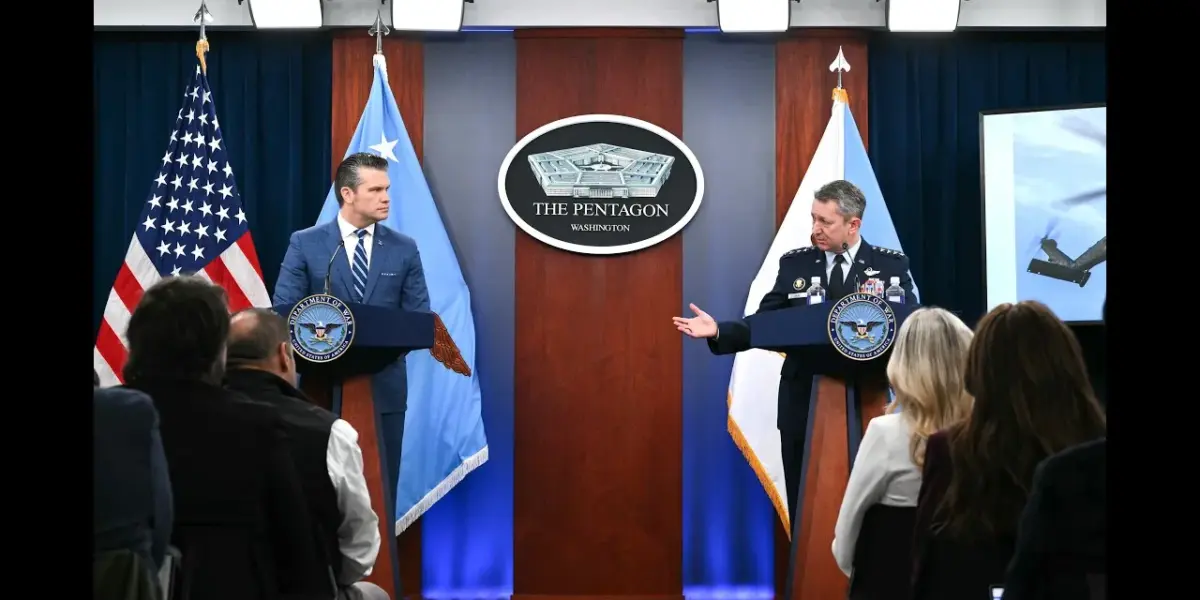
US Military Presence Near Iran Tied to Strait of Hormuz Access
President Trump has declared that the United States will maintain its military presence in the region surrounding Iran. The main reason given for this continued deployment is to ensure that Iran allows ships to freely pass through the vital Strait of Hormuz. This means US ships, aircraft, and military personnel will stay in place until a full agreement is met and Iran fully complies with opening the waterway.
The Strait of Hormuz is a critical choke point for global trade, especially for oil. Imagine it like a narrow doorway that many ships must use to get to and from important places. If this doorway is blocked or made unsafe, it affects everyone, not just the countries nearby.
International Support for Open Shipping Lanes
French President Emmanuel Macron has voiced agreement with the US stance. He believes that concerns about Iran’s nuclear and missile programs must be addressed first. Furthermore, any deal must include provisions for Iran to stop blocking navigation through the Strait of Hormuz. This shows that other major world powers share the concern over this crucial shipping route.
Iran has claimed that the strait is open, even publishing charts showing designated routes and warning of a danger zone due to potential mines. They suggest ships should coordinate with them for safety. However, shipping data shows only a few vessels have passed through recently, suggesting the strait is not truly open or safe.
Shipping Giants Call for Action
Major shipping companies are calling for international cooperation to secure the Strait of Hormuz. A spokesman for the shipping giant Hapag-Lloyd stated that mines, if present, must be cleared. They also suggested that ships might need escorts, especially in the days following a ceasefire. This highlights the practical difficulties and dangers faced by commercial vessels.
The head of NATO, Jens Stoltenberg, indicated that the alliance would be willing to help if it proves useful. He mentioned that a meeting of military leaders from 34 countries to discuss the strait was a good first step. This broad international discussion shows the global nature of the problem.
Global Economic Impact
The disruption of this key trade route has significant economic consequences worldwide. The head of the International Monetary Fund (IMF) pointed out that the world would be in a much better economic position without this disruption. Even in the best-case scenarios, the IMF expects to downgrade global growth projections. This is because disruptions in oil supply can cause ripple effects throughout the global economy, making goods more expensive and slowing down business.
Why This Matters
The Strait of Hormuz is not just a regional issue; it’s a global economic lifeline. Its closure or obstruction directly impacts the price of oil and the stability of international trade. The US military presence, supported by allies like France and NATO, aims to prevent Iran from using control of the strait as a political weapon. This situation underscores the delicate balance of international relations and the importance of free navigation for global prosperity. The economic fallout, as noted by the IMF, shows that instability in one key area can have far-reaching consequences for everyone.
Historical Context
Tensions in the Strait of Hormuz are not new. For decades, this narrow waterway has been a focal point of geopolitical competition and concern. Iran has previously threatened to close or disrupt shipping in the strait, particularly during times of heightened conflict or sanctions. The US and its allies have consistently pushed back against these threats, viewing the free flow of commerce through the strait as a vital national and international interest. This ongoing strategic importance means that any threat to its openness is met with serious international attention and, as seen now, a strong military posture.
Future Outlook
The future of the Strait of Hormuz’s openness likely depends on diplomatic progress and Iran’s willingness to adhere to international norms. If Iran continues to obstruct shipping, the US and its allies may increase pressure or explore further joint security operations. Conversely, a diplomatic breakthrough that addresses Iran’s concerns while guaranteeing free passage could de-escalate tensions. The economic implications suggest that all parties have an interest in finding a stable solution. The world will be watching closely to see if dialogue or continued military posturing will ultimately secure this vital passage.
Source: President Trump Says US Will Keep Military Near Iran Until Strait of Hormuz Is Fully Open (YouTube)

Related Articles

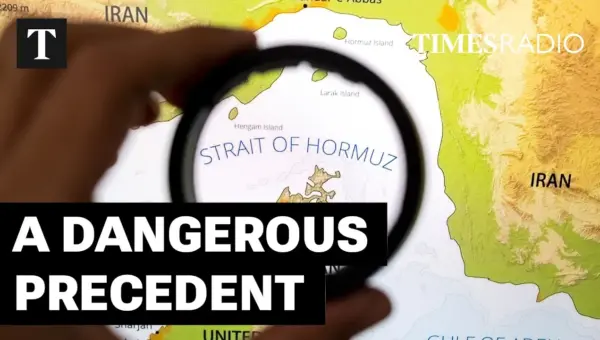
US Navy Clears Strait of Hormuz Mines Amid Tensions
The U.S. Navy has begun clearing sea mines in the Strait of Hormuz, a crucial global shipping lane, as commercial traffic remains critically low. Experts warn that Iran potentially controlling the strait could set a dangerous precedent for global trade, leading to a "free-for-all" in vital waterways worldwide.


Middle East Must Lead Iran Response, US Steps Back
Radio host Glenn Beck argues that Middle Eastern nations, not the US, must take the lead in addressing regional security threats like Iran. He believes former President Trump's policies are reshaping global order, encouraging allies to become more self-reliant. This signals a potential shift away from traditional US global leadership.
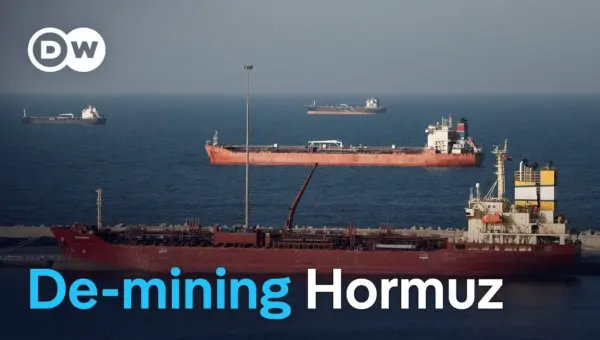
US Warships Clear Strait of Hormuz Amid Mine Threats
US warships are reportedly sweeping the Strait of Hormuz for mines amid escalating tensions with Iran. While the US claims progress, experts note a lack of dedicated mine-clearing vessels in the region and question the current mine threat. The situation's resolution may depend on ongoing peace negotiations.