Iran Stalls Nuclear Deal; Oil Jumps 3%
Iran is accused of employing delaying tactics in nuclear negotiations, contributing to a 3% surge in oil prices. Analysts suggest the nation aims to buy time while potentially advancing its nuclear program, despite facing significant military setbacks.

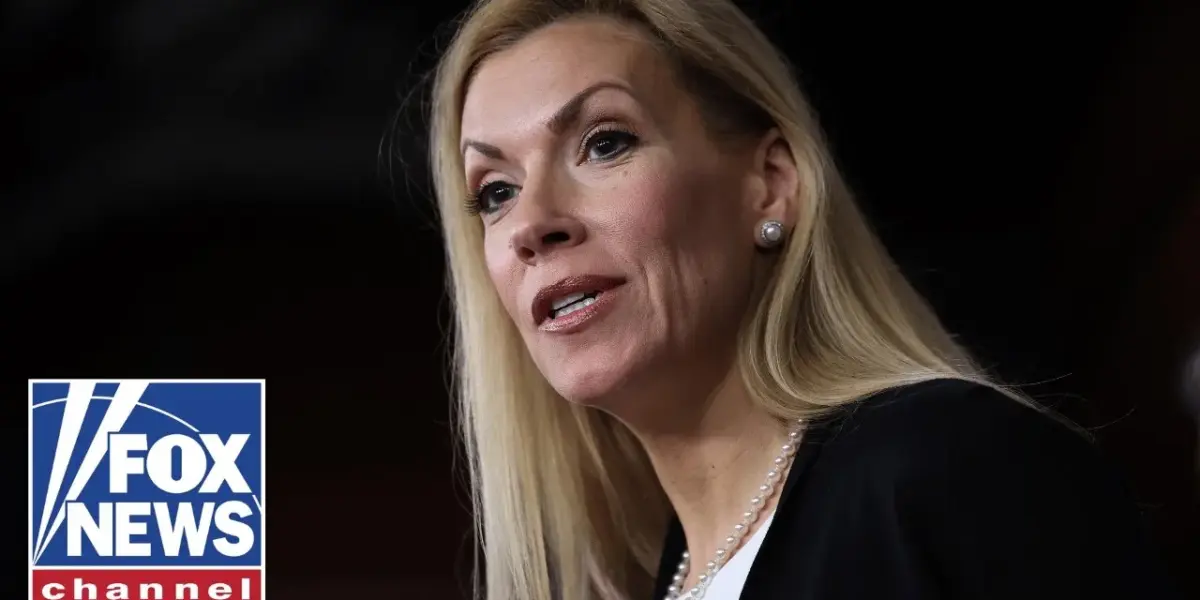
Iran Faces Pressure as Nuclear Talks Stall, Oil Prices Surge
Concerns are mounting over Iran’s commitment to nuclear negotiations, with analysts suggesting the nation is employing delaying tactics. This uncertainty comes as oil prices saw a significant jump of 3% on the day, reflecting ongoing geopolitical tensions in the energy markets. Admiral Brad Cooper, the chief of U.S. Central Command, described Iran’s military capabilities as having suffered a “generational military defeat,” yet the nation continues to be a source of regional instability.
Iran’s Strategy: Delay and Deception
Texas Congresswoman Beth Van Duyne expressed skepticism regarding Iran’s intentions in the ongoing discussions. “Iran is going to do everything they can to stall,” she stated, suggesting a strategy of piecemeal engagement without genuine commitment. The goal, according to Van Duyne, is to avoid producing tangible results or making significant concessions. This approach aims to buy time while potentially advancing their nuclear ambitions.
The primary objective highlighted is to prevent Iran from developing nuclear weapons capable of reaching beyond its borders. However, Iran has a history of aggressive actions, including attacks on its Gulf neighbors and threats to the vital Strait of Hormuz, a key route for global energy supplies. These actions underscore the urgency of preventing Iran from acquiring the means to threaten international stability.
Economic and Geopolitical Stakes
Despite military setbacks, Iran continues to exert influence through economic and geopolitical means. Reports indicate Iran is demanding a substantial toll, potentially $1 per barrel of oil, for passage through the Strait of Hormuz, with demands for payment in cryptocurrency. This move signals an attempt to leverage its strategic location for financial gain and to circumvent traditional financial systems.
The United States, under President Trump’s proposed approach, aims to increase pressure on Iran. The strategy emphasizes maintaining economic sanctions and diplomatic leverage until Iran abandons its pursuit of nuclear weapons. The U.S. has become an energy dominant nation, a position Iran does not hold, suggesting a learning opportunity for Tehran to adapt to a changing global energy landscape.
Market Impact and Investor Considerations
What Investors Should Know:
- Oil Price Volatility: The 3% surge in oil prices highlights the market’s sensitivity to geopolitical events involving major energy producers like Iran. Investors should monitor developments in the Middle East closely, as they can directly impact energy costs and related industries.
- Geopolitical Risk Premium: Tensions surrounding Iran’s nuclear program and its threats to shipping lanes contribute to a geopolitical risk premium in energy markets. This means oil prices may remain elevated or volatile as long as these uncertainties persist.
- Sanctions and Economic Pressure: U.S. policy towards Iran, including the potential for increased sanctions, can affect global trade and investment. Companies with significant operations or supply chains linked to Iran may face challenges.
- Strait of Hormuz Importance: The Strait of Hormuz is critical for global oil transport. Any disruption or increased costs associated with its use can have ripple effects across the global economy, affecting inflation and economic growth.
The ongoing standoff with Iran presents a complex challenge for global policymakers and financial markets. The nation’s efforts to stall negotiations while simultaneously threatening vital energy routes underscore the need for sustained international pressure and vigilance. The U.S. administration’s focus on maintaining economic dominance and preventing nuclear proliferation remains central to its strategy in the region.
Domestic Political Distractions
Amidst these international challenges, domestic political debates, such as attempts to invoke the 25th Amendment against President Trump, have been criticized as distractions. Critics argue that such actions undermine national unity and focus at a critical time when the administration is working to counter the Iranian regime’s destabilizing influence and secure global energy pathways.
The emphasis remains on protecting U.S. citizens and national interests by preventing Iran from acquiring nuclear weapons and ensuring the free flow of energy through critical waterways like the Strait of Hormuz. The administration’s stance is that continued pressure, rather than appeasement, is the most effective way to achieve these objectives.
Source: Iran is going to do ‘everything they can to STALL:’ Texas congresswoman (YouTube)

Related Articles

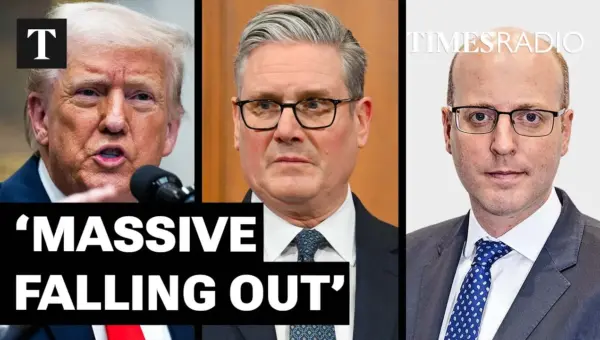
US Furious With UK Over Iran War Stance, Allies Face Fallout
The United States is reportedly furious with the UK's stance on the Iran conflict, threatening to reassess allied support. Prime Minister Keir Starmer has voiced frustration with global leaders like Trump and Putin impacting energy bills, while the UK's own defense plans face delays amid international fallout.

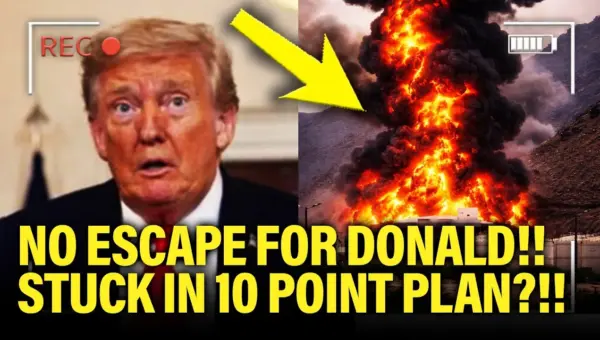
Iran Outmaneuvers Trump, Dominates Strait of Hormuz
Iran appears to have outmaneuvered Donald Trump, gaining control over the Strait of Hormuz and disrupting global oil shipments. The situation is rooted in a disputed ceasefire agreement, with Iran claiming the U.S. is backtracking on terms that included Lebanon.
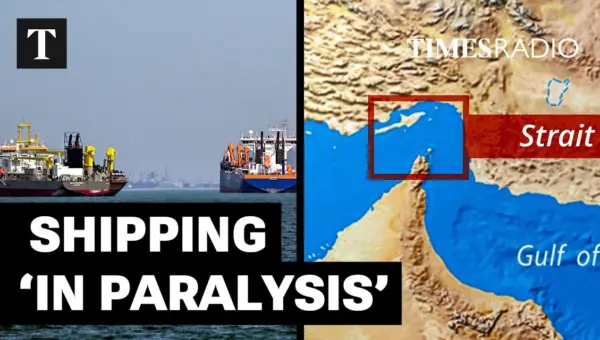
Strait of Hormuz Blockade to Last Months, Shipping Expert Warns
Shipping in the Strait of Hormuz remains severely disrupted despite a ceasefire, with an expert warning it could take months to clear. Iran has implemented an informal toll system, demanding payments from vessels transiting the vital waterway. Around 20,000 crew members are stranded as security risks prevent normal operations.