China Tightens Grip: Taiwan Pressure Mounts Before Trump
China is strategically increasing pressure on Taiwan through political and military actions ahead of a potential meeting with former President Trump. These moves, including airspace lockdowns and seabed mapping, signal a deliberate effort to shape regional dynamics and assert claims over Taiwan.

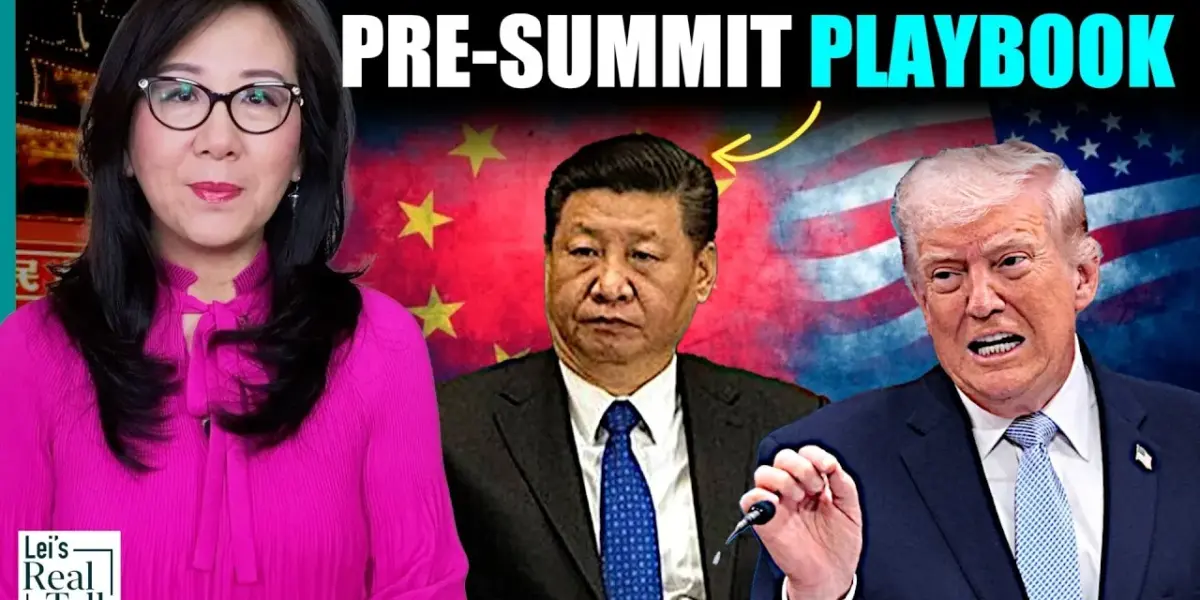
China Tightens Grip: Taiwan Pressure Mounts Before Trump
As former President Trump prepares for a visit to Beijing, a series of actions by China suggests a deliberate strategy to increase pressure on Taiwan and shape the military situation. These events, ranging from political maneuvers to military exercises, point towards a coordinated effort to influence the upcoming meeting with Xi Jinping and signal China’s intentions regarding Taiwan.
Political Maneuvers and Military Posturing
Recent weeks have seen significant activity concerning Taiwan. A high-level visit from Taiwan’s opposition party leaders to Beijing occurred suddenly. This visit happened while Taiwan’s own defense budget faced delays, even as the United States stepped in to provide support. Simultaneously, China established a 40-day no-go zone over the East China Sea. This action, along with dozens of Chinese vessels mapping the seabed, suggests preparations for future military operations.
Broader Context: Ma Xingrui’s Fall
The transcript also touches on internal political shifts within China, specifically the unexpected downfall of Ma Xingrui, a member of the Politburo. His removal was unusual, marked by a lack of clear explanation in official statements and silence from key power centers. This event, potentially indicating a shift in power dynamics or competing authorities within Beijing, adds another layer to the complex picture emerging before the Trump-Xi meeting. If even top officials are not secure, it suggests a period of internal flux that could influence China’s external policies.
Taiwan as a Strategic Pawn
The increased military activity and political gestures surrounding Taiwan are not isolated incidents. They appear to be part of a larger strategy to isolate Taiwan and project Chinese power. By increasing military pressure, China aims to deter any moves towards formal independence and signal its resolve to the international community, including the United States. The mapping of the seabed could be preparation for potential naval blockades or amphibious operations, demonstrating a long-term strategic focus.
Historical Background: The Taiwan Strait
The situation in the Taiwan Strait has been a point of tension for decades. Following the Chinese Civil War in 1949, the defeated Nationalist government retreated to Taiwan, while the Communist Party established the People’s Republic of China on the mainland. Both governments claimed to be the legitimate ruler of all of China. Over time, Taiwan developed into a democratic and prosperous society, while mainland China underwent its own political and economic transformations. The United States historically maintained a policy of ‘strategic ambiguity’ regarding its defense of Taiwan, neither confirming nor denying whether it would intervene militarily if China attacked.
Why This Matters
The current actions by Beijing are significant because they indicate a potential escalation in tensions over Taiwan. The coordinated nature of the political and military moves suggests a deliberate attempt to alter the status quo. For the United States, particularly with a former president known for his unpredictable foreign policy engaging with China, these events highlight the complex geopolitical landscape. Any miscalculation or escalation could have severe economic and security consequences globally.
Implications, Trends, and Future Outlook
The trend shows China becoming more assertive in its territorial claims, particularly concerning Taiwan. The use of military exercises and political outreach aims to solidify China’s position and test the resolve of its adversaries. The upcoming meeting with Trump is a crucial opportunity for both leaders to communicate their red lines and potentially de-escalate tensions. However, the underlying strategic competition between the U.S. and China, with Taiwan as a central flashpoint, is likely to continue. Future outlook suggests a continued increase in military readiness on both sides and potential for diplomatic maneuvering, with Taiwan’s status remaining a key global concern.
Conclusion
The events unfolding ahead of Trump’s visit to Beijing are not random. They represent a calculated effort by China to apply pressure, shape perceptions, and advance its strategic objectives concerning Taiwan. The internal political dynamics within China, as suggested by the Ma Xingrui incident, may also play a role in how these external policies are pursued. Understanding these interconnected developments is crucial for assessing the future stability of the region and the broader relationship between China and the United States.
Source: How Beijing Is Positioning Taiwan and the Military Before Trump Arrives (YouTube)

Related Articles


Vance’s Failed Diplomacy Could Doom His Political Future
Senator JD Vance's recent diplomatic mission in Pakistan ended in failure, raising questions about his political future. The situation highlights complex geopolitical tensions, potential strategic missteps by Donald Trump, and significant economic implications for global energy markets.

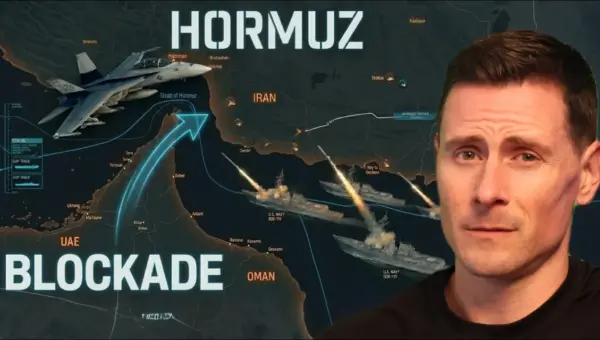
US Navy Blockades Strait of Hormuz After Talks Collapse
The U.S. Navy has launched a naval blockade of the Strait of Hormuz after critical ceasefire talks with Iran collapsed. This move follows accusations of Iranian "extortion" through alleged mine-laying and toll collection in the vital shipping lane. The operation aims to ensure global energy flow and challenge Iran's control over the waterway.


Ukraine Offers Combat Expertise in Middle East War
Ukraine is leveraging its extensive combat experience to offer air defense expertise and drone technology to nations involved in the Middle East conflict. This move aims to forge new alliances, secure economic benefits, and bolster its global standing, despite facing rejections and internal challenges.