Iran’s Nuclear Ambitions and Strait Control Threaten Stability
Iran's pursuit of nuclear capabilities and its influence over the vital Strait of Hormuz pose significant threats to global stability. Ensuring free navigation and preventing nuclear proliferation are key strategic objectives with major implications for energy markets and international trade.


Iran’s Nuclear Program and Strait of Hormuz Control Pose Major Threats
The strategic objectives concerning Iran are clear and pressing: neutralize its nuclear program and ensure free navigation through the Strait of Hormuz. These two issues are paramount for global stability and economic security. Iran’s potential to develop nuclear weapons and its control over a vital global shipping lane represent unacceptable risks that must be addressed.
Disarming Iran’s Nuclear Capabilities
A primary goal is to dismantle what remains of Iran’s nuclear program. This includes halting any ongoing uranium enrichment and dismantling other potential weapons-related capabilities. The objective is either to gain direct control over these programs or to have Iran voluntarily surrender them. This action is critical to prevent a nuclear-armed Iran, a development that would dramatically destabilize the region and the world.
Securing the Strait of Hormuz
The second major objective is to restore free navigation through the Strait of Hormuz. This vital waterway is crucial for global oil shipments and international trade. Iran’s current influence and potential to disrupt passage through the strait pose a significant economic threat. Allowing Iran to control this chokepoint is seen as untenable.
The Strategic Importance of Global Waterways
Throughout history, certain waterways have been recognized as critical strategic assets. These include passages like the Panama Canal, the Suez Canal, the Strait of Taiwan, and the Bab al-Mandab Strait, which leads to the Suez Canal. These straits facilitate global commerce and military movement. The Strait of Hormuz is no different; its strategic importance cannot be overstated. It serves as a critical artery for energy supplies, with a significant portion of the world’s oil passing through it daily.
“The problem is Iran has got control of one of them here. And that cannot stand. We cannot let that stand no more than we can let them keep their nuclear capability.”
Market Impact and Investor Considerations
The ongoing tensions surrounding Iran’s nuclear program and its control over the Strait of Hormuz have significant implications for global markets. Any escalation or perceived threat to these objectives can lead to increased volatility in energy prices. Oil prices, in particular, are sensitive to disruptions in the Middle East. Investors in the energy sector, as well as those exposed to global trade and shipping, should monitor developments closely.
Geopolitical instability in this region can also affect broader market sentiment. Uncertainty often leads to a ‘risk-off’ environment, where investors move away from riskier assets like stocks and towards safer investments like government bonds or gold. The long-term implications depend on the effectiveness of diplomatic or other measures taken to resolve these issues. A successful de-escalation could lead to market stabilization and renewed confidence, while continued confrontation could prolong uncertainty and economic headwinds.
What Investors Should Know
Investors need to be aware that geopolitical risks, especially concerning energy supply routes and nuclear proliferation, can impact portfolios significantly. The Strait of Hormuz is a critical chokepoint for oil, and any disruption can cause oil prices to spike. This affects not only energy companies but also industries reliant on oil, such as transportation and manufacturing. Furthermore, Iran’s nuclear program has been a source of international concern for years, and any progress towards or away from nuclear capability can influence global political and economic relations.
Understanding these dynamics is key for assessing potential risks and opportunities. While direct investment in companies operating in or directly affected by Iran might be limited due to sanctions and political risk, the broader impact on energy markets and global trade flows is undeniable. Keeping an eye on international relations and energy supply security is therefore a prudent strategy for investors.
Source: Gen Keane: This CANNOT stand… #shorts (YouTube)

Related Articles

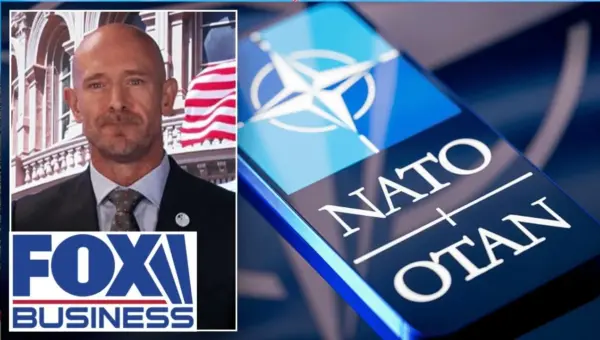
NATO Allies Urged to Step Up Support for US
Retired Navy SEAL Mike Cirelli urges NATO allies to increase their support for U.S. international efforts, citing delays in crucial operations. NATO's chief acknowledges past slow responses, while Cirelli emphasizes the need for allies to take greater responsibility for global security, especially concerning energy supplies.

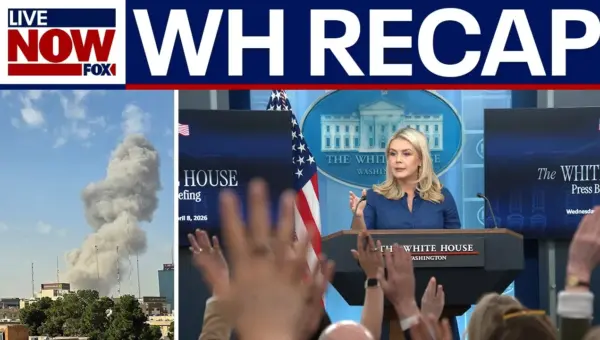
Iran Nuclear Talks Heat Up Amid Ceasefire Concerns
The White House is clarifying its stance on Iran's nuclear program, emphasizing that enrichment is off the table. Meanwhile, a high-level delegation is heading to Pakistan for critical talks amid reports of continued hostilities and the alleged closure of the Strait of Hormuz, testing a fragile ceasefire.
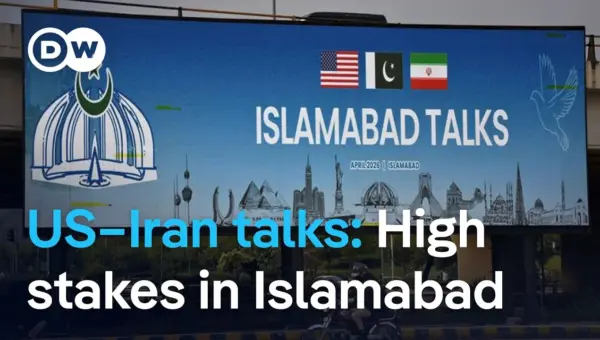
US-Iran Talks Falter Amid Hormuz Standoff, Ceasefire Strain
A fragile ceasefire between the US and Iran is under severe strain as tensions rise over the critical Strait of Hormuz. Both nations accuse each other of violating the terms of a recent deal, while international efforts to secure the vital shipping lane intensify. Crucial peace talks are underway in Pakistan, but deep-seated distrust and maximalist demands from both sides cast doubt on the likelihood of a comprehensive agreement.