Trump Eyes Iran Peace Amidst Shifting Mideast Alliances
Former President Donald Trump expressed optimism about a potential Iran ceasefire, a move that could signal a shift in U.S. foreign policy. This comes as Israel and Lebanon prepare for crucial border talks, highlighting a complex regional landscape seeking stability.

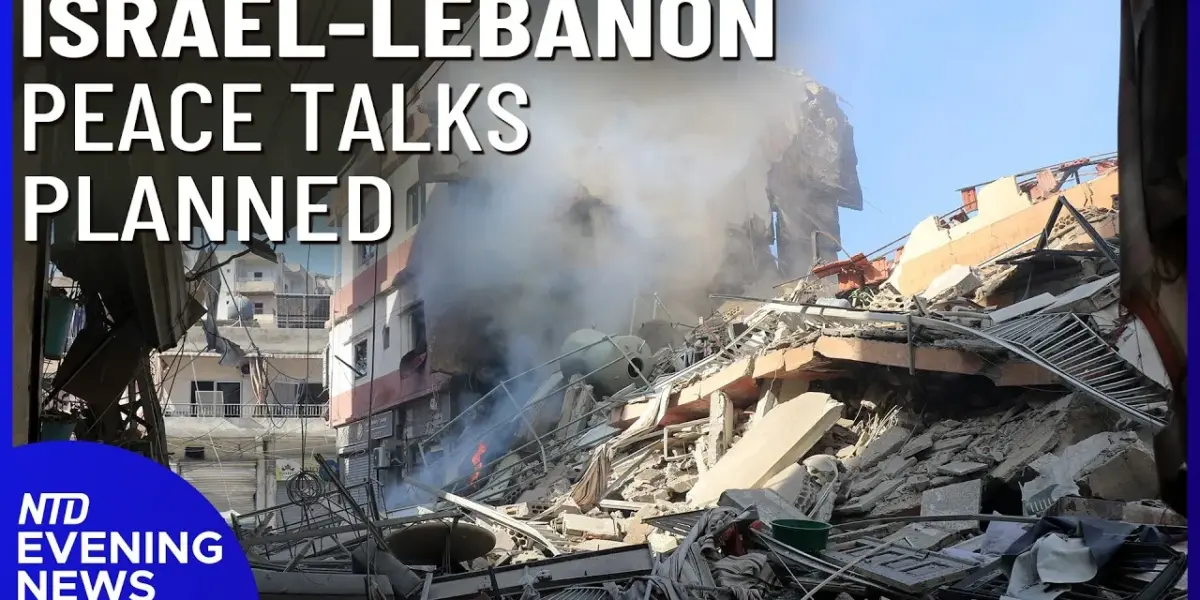
Trump Eyes Iran Peace Amidst Shifting Mideast Alliances
Former President Donald Trump expressed optimism about a potential ceasefire in Iran, a statement that comes as the region experiences a complex mix of tensions and diplomatic overtures. This suggests a potential shift in how the United States might approach Iran, moving away from the previous administration’s ‘maximum pressure’ campaign towards a more negotiated path.
Trump’s comments, made on April 9th, indicate a willingness to explore dialogue rather than solely relying on sanctions and confrontation. This approach could signal a desire to de-escalate regional conflicts and find diplomatic solutions. The former president has often favored direct negotiations, even with adversaries, believing it could lead to better outcomes.
A Complex Regional Picture
The news about Trump’s optimism regarding Iran arrived alongside reports of Israel and Lebanon agreeing to hold talks. These discussions are expected to focus on border disputes, a long-standing source of friction between the two nations. The fact that these talks are happening at all is a significant development, given the history of conflict.
These two events, Trump’s view on Iran and the Israel-Lebanon dialogue, paint a picture of a Middle East grappling with persistent challenges but also seeking new avenues for stability. The region has long been a focal point of international concern, marked by proxy wars, political instability, and ongoing security threats.
Historical Context: The Iran Deal and Beyond
To understand the significance of Trump’s stance on Iran, it’s helpful to look back at his previous presidency. Trump withdrew the United States from the Joint Comprehensive Plan of Action (JCPOA), commonly known as the Iran nuclear deal, in 2018. This decision was part of his administration’s ‘maximum pressure’ strategy, which aimed to curb Iran’s nuclear program and its regional influence through severe economic sanctions.
The withdrawal was met with mixed reactions. Supporters argued it was necessary to address the flaws in the original deal and to counter Iran’s destabilizing activities. Critics, however, warned that it would isolate the U.S. from its allies, empower hardliners in Iran, and push the country closer to developing nuclear weapons. The subsequent years saw increased tensions, including military confrontations in the Persian Gulf.
Shifting Alliances and Diplomatic Efforts
The current situation suggests a potential pivot from that previous policy. Trump’s optimism about a ceasefire could be interpreted as an acknowledgment that the ‘maximum pressure’ approach did not achieve all its intended goals and that a diplomatic path might be more fruitful. This aligns with his past preference for direct, often unconventional, negotiations.
Meanwhile, the planned talks between Israel and Lebanon, mediated by the United Nations, represent a rare moment of direct engagement. These discussions are crucial for managing border security and preventing misunderstandings that could escalate into conflict. Such dialogues, even on specific issues, can build confidence and create space for broader diplomatic engagement.
Why This Matters
The prospect of a ceasefire in Iran, if realized, could have far-reaching implications for regional stability. It could ease tensions between Iran and its neighbors, potentially reducing the likelihood of proxy conflicts that have destabilized countries like Yemen and Syria. A de-escalation could also allow for greater focus on economic recovery and development within Iran and across the region.
Furthermore, Trump’s potential re-engagement with Iran through dialogue, rather than solely through sanctions, could reshape U.S. foreign policy in the Middle East. It might signal a return to a more transactional approach, prioritizing specific agreements over broad ideological stances. This could influence how other regional powers, like Saudi Arabia and the UAE, approach their own relations with Iran.
Implications and Future Outlook
The success of any ceasefire or diplomatic talks will depend on many factors. These include the willingness of all parties to compromise, the role of international mediators, and the internal political dynamics within Iran and Israel. The path forward is likely to be complex and challenging, with no easy solutions.
However, the very fact that these diplomatic channels are being explored is a positive sign. It suggests that even in a region known for its deep-seated conflicts, there is still an appetite for peace and stability. The outcomes of these potential dialogues could set the stage for a new era of diplomacy in the Middle East, one that prioritizes negotiation and de-escalation over prolonged confrontation.
Source: Trump ‘Optimistic’ About Iran Ceasefire; Israel, Lebanon to Hold Talks | NTD Evening News (Apr. 9) (YouTube)

Related Articles
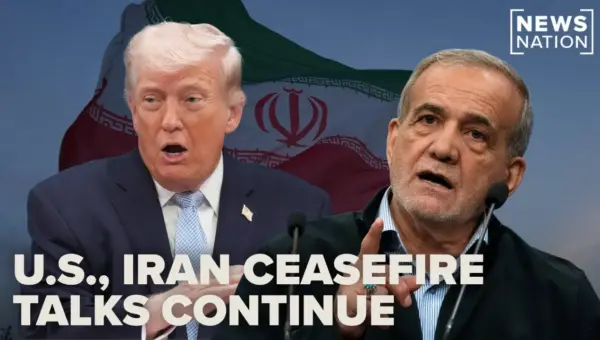
Iran Threatens Strait of Hormuz Amid Lebanon Strikes
Iran threatens to close the vital Strait of Hormuz in response to ongoing strikes in Lebanon. The US is trying to de-escalate, but actions on the ground remain a concern, potentially impacting global oil markets and future negotiations.
Senator Slams Jeffries’ Iran Stance, Cites Nuclear Threat
Senator Rick Scott sharply criticized House Democratic Leader Hakeem Jeffries over his stance on Iran, calling him an "idiot" for seeking to limit the President's authority. Scott highlighted the threat of Iran developing nuclear weapons. The discussion also covered President Trump's stance on NATO and the ongoing DHS funding shutdown.

Iran’s Hormuz Threat: A Known Tactic, Not New
Recent conflict did not teach Iran a new tactic by threatening to close the Strait of Hormuz. Experts and Iranian planners have long understood this strategic leverage. The effectiveness of the recent shutdown was tied to global perceptions of the preceding conflict's instigator, not a newfound Iranian capability.