US Claims Major Iran Military Defeat; Peace Talks Hang in Balance
The US claims a "generational military defeat" against Iran following "Operation Epic Fury." President Trump expresses optimism for peace talks but maintains warnings. Meanwhile, Israel approves ceasefire talks with Lebanon, and concerns over the Strait of Hormuz persist.

US Claims Major Iran Military Defeat; Peace Talks Hang in Balance
The United States is projecting a strong stance against Iran, with military officials reporting a significant blow to the country’s power. This comes as President Trump expresses optimism about potential peace talks, though warnings to Iran remain in place. Meanwhile, regional tensions persist, with Israel approving ceasefire negotiations with Lebanese officials.
US Reports Devastating Blow to Iran’s Military Might
Admiral Brad Kooper of Central Command announced that the US has dismantled Iran’s ability to project power beyond its borders. He described the situation as a “generational military defeat” for Iran. The US and Israel are credited with systematically destroying Iran’s capability to carry out large-scale military operations for years to come. This conventional military strength, built over 40 years and costing billions, has reportedly been eliminated. The US successfully targeted 13,000 Iranian military sites and conducted thousands of combat flights. Admiral Kooper stated that core strategic military goals have been achieved after destroying Iran’s missile, drone, and naval abilities, as well as its defense industry.
Even though strikes are currently paused due to a ceasefire, the military remains ready for action if needed. Admiral Kooper also honored the 13 service members who died during the operation, promising they will be remembered.
Trump Optimistic on Iran Deal, But Issues Warnings
President Trump is expressing a positive outlook on reaching a deal with Iran, especially with Vice President JD Vance set to attend in-person peace talks in Pakistan. Trump told NBC News that he is “very optimistic” about the potential for a deal. He noted that Iranian leaders seem more reasonable during direct meetings compared to their public statements.
The President also stated that Iran is agreeing to necessary actions. This echoes previous White House statements, which pushed back on reports of a 10-point peace plan from Iran. The administration claims the actual proposal given to them was more reasonable. The White House press secretary emphasized that what Iran communicates privately to the US differs greatly from its public messages. She added that President Trump has a proven history of securing good deals for America and will only accept one that “puts America first.”
Despite the optimism, President Trump issued fresh warnings to Iran. He posted on True Social that US troops, aircraft, and ammunition will remain in and around Iran until a “real agreement” is fully followed. This is to ensure the Iranian regime allows ships to pass through the vital Strait of Hormuz.
Strait of Hormuz Remains a Key Concern
The Strait of Hormuz is a crucial global waterway, and its closure or obstruction has significant economic impacts. The International Monetary Fund stated that Iran’s actions affecting the strait have global consequences. They warned that oil supply disruptions would continue to have widespread effects, potentially leading to downgraded global growth forecasts.
Tracking data shows only a small number of vessels have passed through the strait recently. A shipping company representative suggested an international coalition should ensure the strait’s safety. If mines are present, they must be cleared, and ships might need escorts. French President Emmanuel Macron also agreed that Iran’s actions obstructing navigation through the strait must be addressed in any agreement, alongside concerns about its nuclear and ballistic missile programs.
Iran, however, claims the strait is open. State media showed a chart marking a “danger zone” and advised vessels to coordinate with the regime due to potential mines during recent fighting. This situation has contributed to the quietness of the strait.
Israel Approves Ceasefire Talks with Lebanon
In another diplomatic development, Israeli Prime Minister Benjamin Netanyahu has approved direct ceasefire negotiations with Lebanese officials. This comes after the Israeli military reported striking 100 Hezbollah targets in Lebanon. The Lebanese prime minister had reportedly called for these talks.
NATO Pledges Greater European Role
The Secretary General of NATO has promised that Europe will take on a larger role within the alliance. Details on the future of NATO were expected to be outlined in Washington D.C.
House Republicans Seek Investigation into CCP-Linked Nonprofits
House Republicans are calling for an investigation into alleged Chinese Communist Party (CCP) linked nonprofits operating in the US. They are concerned these organizations might be involved in political activities and influencing American elections.
Unusual Wildlife Sighting in Manhattan
Adding a lighter note, a small bird has become a major attraction in Manhattan’s Bryant Park. Crowds are gathering to catch a glimpse of the wildlife, turning a normal park visit into an extraordinary event.
Why This Matters
The US military’s claim of a significant defeat against Iran, if accurate, could reshape regional power dynamics and potentially influence future diplomatic outcomes. President Trump’s optimistic yet firm approach to Iran signals a complex strategy of engagement coupled with deterrence. The ongoing situation in the Strait of Hormuz highlights the global economic risks tied to geopolitical stability in the Middle East. Meanwhile, the approval of ceasefire talks between Israel and Lebanon suggests a potential de-escalation in that conflict zone. These developments collectively point to a fluid and evolving geopolitical landscape where diplomatic, economic, and military factors are closely intertwined.
Implications and Future Outlook
The reported success of “Operation Epic Fury” could embolden the US and its allies, potentially leading to further pressure on Iran or a more favorable negotiating position. However, the long-term effectiveness of this strategy remains to be seen, as Iran’s response and regional influence could adapt. The success of the peace talks with Iran will heavily depend on mutual trust and verifiable actions from both sides. If the Strait of Hormuz remains secure, it could ease global economic pressures. The potential for a ceasefire between Israel and Lebanon could bring much-needed stability to that border region. The growing concern over CCP-linked nonprofits also indicates a broader trend of increased scrutiny of foreign influence in Western democracies.
Historical Context
Tensions between the US and Iran have been a significant feature of international relations for decades, marked by events like the 1979 hostage crisis and subsequent sanctions. The Strait of Hormuz has historically been a chokepoint for global oil supplies, making any disruption there a matter of international concern. The conflict between Israel and Hezbollah has also been a long-standing source of regional instability, with various ceasefires and escalations occurring over the years. NATO’s role has evolved significantly since the Cold War, adapting to new security challenges, and the current discussions suggest a continued effort to redefine European contributions to collective security.
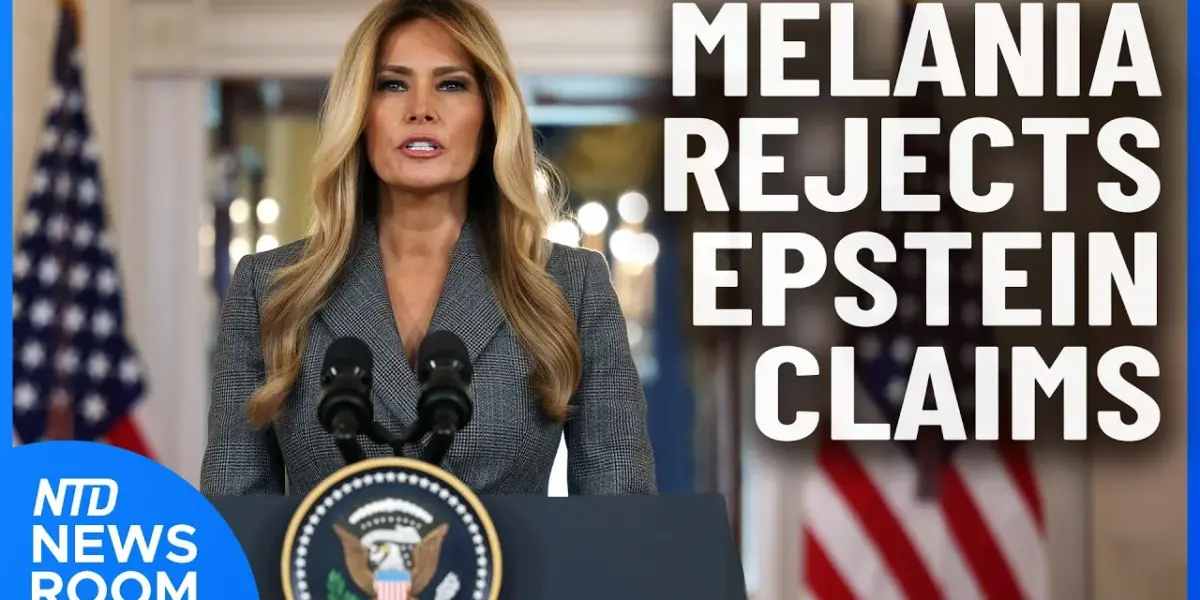
Source: FLOTUS Rejects Epstein Involvement Claims; Trump Optimistic On Ceasefire | NTD Newsroom (April 9) (YouTube)

Related Articles
Trump Criticizes Iran as Oil Deal Hits Snags
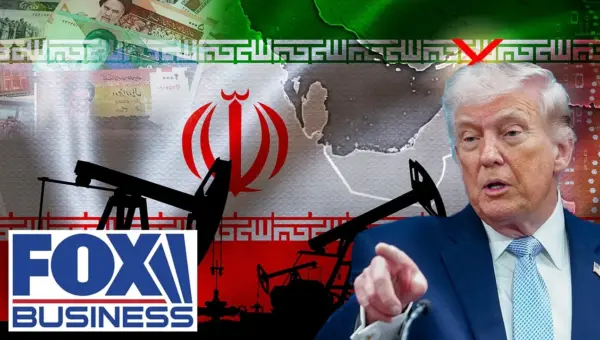
President Trump has criticized Iran's handling of oil shipments through the Strait of Hormuz, adding uncertainty to a fragile deal. Despite geopolitical tensions, markets have shown resilience, but concerns linger over potential inflation and economic growth.

Oil Prices Surge 30% Amid Iran Ceasefire Uncertainty
Oil prices have surged over 30% as a fragile ceasefire between the U.S. and Iran fails to calm markets. Disruptions in the Strait of Hormuz and reduced Saudi production are driving up costs for energy, shipping, and potentially inflation, with significant economic consequences expected.


Congress Must Curb Trump’s War Powers Now
Concerns are mounting over President Trump's actions regarding Iran, prompting calls for Congress to reclaim its constitutional war powers. Senator Schumer is forcing a vote to highlight this issue, putting Republicans in a tough spot during an election year. This debate is crucial for maintaining the balance of power in U.S. foreign policy.