Independence Day: A Sci-Fi Masterpiece’s Secrets
Roland Emmerich's 1996 sci-fi blockbuster Independence Day redefined the alien invasion genre with its groundbreaking effects and patriotic fervor. This article delves into the film's surprising origins, its massive box office success, the iconic cast, and the hidden details that make it a timeless classic.

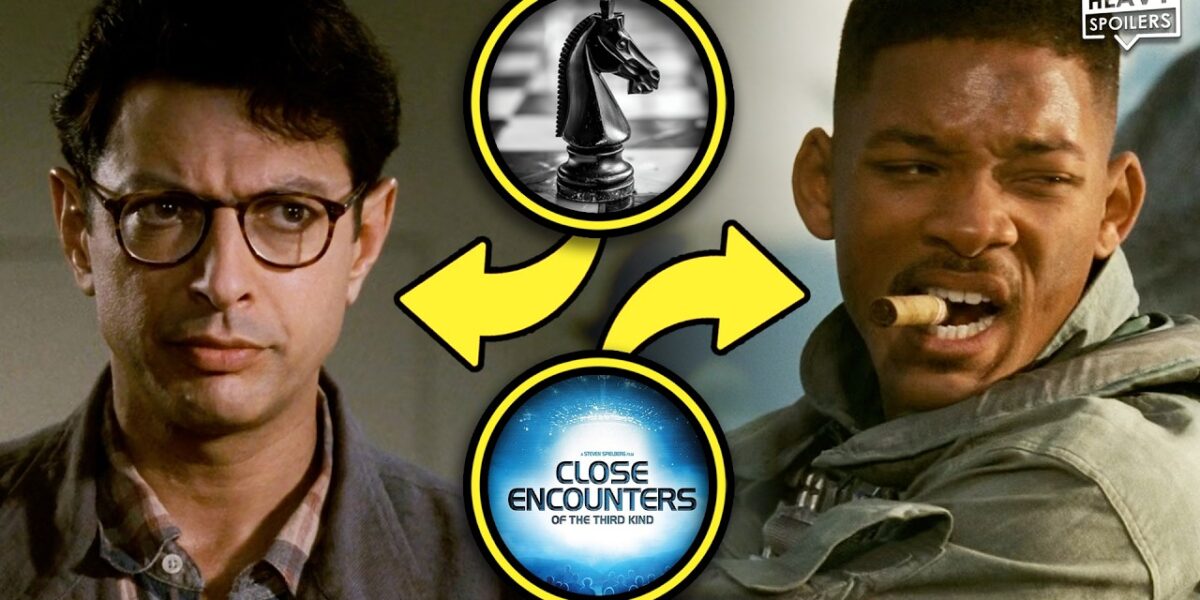
Independence Day: A Sci-Fi Masterpiece’s Secrets
Roland Emmerich’s 1996 blockbuster Independence Day remains a touchstone of the sci-fi disaster genre, a film that not only captivated audiences with its groundbreaking special effects but also embedded itself in pop culture history. More than just an alien invasion flick, Independence Day is a meticulously crafted spectacle that blends thrilling action with surprisingly thoughtful details, all while delivering a patriotic, feel-good narrative that resonated deeply with audiences in the mid-90s.
From a Random Interview to a Global Phenomenon
The genesis of Independence Day is as fascinating as the film’s epic scope. The idea reportedly sparked during a press tour for the 1994 film Stargate, a collaboration between director Roland Emmerich and writer-producer Dean Devlin. While speaking with an interviewer, Emmerich envisioned colossal alien spaceships, each 15 miles wide, hovering over major world cities. This striking image immediately prompted him to turn to Devlin and declare, “I think I have an idea for our next film.” The sheer scale of this initial concept was the primary allure for Emmerich, a director known for his penchant for large-scale destruction and ambitious visual effects.
The script, a rapid-fire four-week creation by Emmerich and Devlin, was deliberately designed to echo the best of both 1953’s War of the Worlds and 1994’s Pulp Fiction. This ambitious blend of classic sci-fi and edgy contemporary cinema was pitched to 20th Century Fox, which subsequently greenlit the project. Filming commenced on July 28, 1995, and wrapped on October 8, 1995, over a 72-day period. The production was executed on a budget of $75 million, a substantial sum for the era, which proved to be a wise investment.
Box Office Domination and Genre Influence
Upon its release, Independence Day was an immediate, colossal success. It raked in an astonishing $817.4 million worldwide, making it the highest-grossing film of 1996 and, for a time, the second highest-grossing film of all time, surpassed only by 1993’s Jurassic Park. Its immense box office performance not only cemented its status as a cultural phenomenon but also significantly influenced the landscape of disaster films. Following its success, studios were more eager to greenlight similar large-scale disaster epics such as Armageddon, Deep Impact, and Dante’s Peak.
A Cast of Iconic Performances
The film boasts a memorable ensemble cast, each bringing their unique charisma to their roles:
- Will Smith as Captain Steven Hiller: Before becoming a global movie star, Smith was known as the Fresh Prince. His transition to film was solidified by this role, though studio executives initially had reservations about casting a Black lead in a major blockbuster.
- Jeff Goldblum as David Levinson: A fan favorite for his quirky performances, Goldblum’s character was a brilliant satellite technician who played a pivotal role in the alien counter-attack. Much of his dialogue was reportedly improvised.
- Bill Pullman as President Thomas J. Whitmore: Pullman brought a compelling gravitas to the role of the President, a character originally envisioned with Kevin Spacey in mind before Spacey’s perceived lack of presidential gravitas led to a rewrite.
- Randy Quaid as Russell Casse: Quaid’s portrayal of the eccentric crop duster was a standout, culminating in a heroic sacrifice that, in an earlier draft, involved his trusty biplane.
- Mary McDonnell as First Lady Marilyn Whitmore: Known for her role as President Laura Roslin in Battlestar Galactica, McDonnell was drawn to the film by its sci-fi elements.
- Robert Loggia as General William Grey: Loggia, known for playing authoritative figures, requested his character be a Marine, adding to his on-screen presence.
Behind the Scenes: Easter Eggs and Production Notes
Independence Day is replete with fascinating details and intentional nods:
- The Music’s Hidden Message: The film’s score by David Arnold contains a subtle Easter egg. During scenes at the Pentagon, the drumbeats in the score spell out “DIE” in Morse code, a thematic reflection of the alien signal.
- The SETI Institute and the VLA: The film accurately depicts the Search for Extraterrestrial Intelligence (SETI) and features the iconic Carl J. Jansky Very Large Array (VLA) in New Mexico, a real-world facility used to detect radio waves from space.
- Homages and Inspirations: The film draws inspiration from classic sci-fi and includes subtle references. The initial design of the alien ships aimed for a simple, massive, and elegant look, reminiscent of classic UFO mythology but taken a step further.
- The Accidental Parody: Robert Loggia was initially confused about the film’s tone when Dean Devlin mistakenly recommended the comedy Airplane! instead of the disaster drama Airport as a reference.
- The Statue of Liberty Symbolism: The prominent use of the Statue of Liberty, a symbol of welcome, juxtaposed with the alien invasion, adds a layer of thematic irony. The tablet it holds, inscribed with July 4th, 1776, further emphasizes the film’s patriotic core.
- Jeff Goldblum’s Improv: A significant portion of David Levinson’s dialogue, particularly his interactions with Captain Hiller, was improvised by Jeff Goldblum, adding to the character’s unique charm.
- The Case Family’s Trailer: The family’s trailer features posters that hint at their alien encounters, including one that reads, “I don’t date outside of my species,” a clear nod to Russell Casse’s experiences.
- The Ending Reshoot: The now-iconic ending, involving a daring counter-attack, was a last-minute change. Test audiences reportedly laughed at the original concept of Russell Casse sacrificing himself in his crop duster, leading to a frantic reshoot just two weeks before the film’s release.
Ending Explained: The Triumph of Humanity
The climax of Independence Day sees humanity on the brink of annihilation. After a devastating initial assault that wipes out major cities, the surviving leaders devise a desperate plan. David Levinson discovers a weakness in the alien technology – a way to disable their shields by uploading a computer virus. Captain Hiller and his squadron, along with other pilots, are tasked with delivering this virus. The plan hinges on a coordinated attack, with President Whitmore delivering an inspiring speech to rally the troops.
In a moment of ultimate sacrifice, Russell Casse, piloting a captured alien vessel, rams his ship into the alien mothership’s primary weapon, destroying it and allowing the human forces to press their advantage. The film concludes with the aliens defeated, the world united in victory, and a sense of renewed hope. The final scenes show the rebuilding process and a celebration of humanity’s resilience, emphasizing the importance of unity and courage in the face of overwhelming adversity.
Legacy and Critical Reception
While initially met with mixed reviews from critics, who often cited its derivative plot and Melodramatic elements, Independence Day was overwhelmingly embraced by audiences. Its blend of spectacular visual effects, charismatic performances, and a classic underdog narrative proved irresistible. The film is widely credited with revitalizing the alien invasion subgenre and setting a new standard for blockbuster filmmaking in the 1990s. Its themes of global unity, patriotism, and the indomitable human spirit continue to resonate, making it a beloved classic for a generation.
Source: INDEPENDENCE DAY (1996) Breakdown | Film Analysis, Easter Eggs, Making Of & Ending Explained (YouTube)

Related Articles

Avatar 3: Volcanoes, Whales, and a Surprising Twist!
James Cameron's Avatar 3 promises a fiery new chapter with the introduction of the aggressive 'Ash People'. Despite exploring volcanic regions, the ocean remains a key element in the saga. The film is set for a December 2025 release.

Giant Monsters Roar: Sci-Fi Cinema’s Top 10 Terrors
From environmental nightmares to alien invaders, science fiction cinema is home to some truly colossal creatures. Watch Mojo has ranked the top 10 giant monsters that have terrified audiences on the big screen. The list features everything from classic atomic-age ants to the undisputed King of the Monsters.
Project Hail Mary Astounds With Cosmic Wonder
The cinematic adaptation of Andy Weir's novel, Project Hail Mary, starring Ryan Gosling, has landed to critical acclaim. Directed by Lord and Miller, the film immerses audiences in a cosmic journey to save Earth, blending stunning visuals with a heartwarming story of unlikely friendship.