Ex-Pilot Counters Trump Iran Comments Amid Rescue
A former U.S. Air Force combat pilot argued that Donald Trump's recent comments on Iran were misunderstood. He stated Trump's focus was on the Islamic Revolutionary Guard Corps, not the Iranian people.

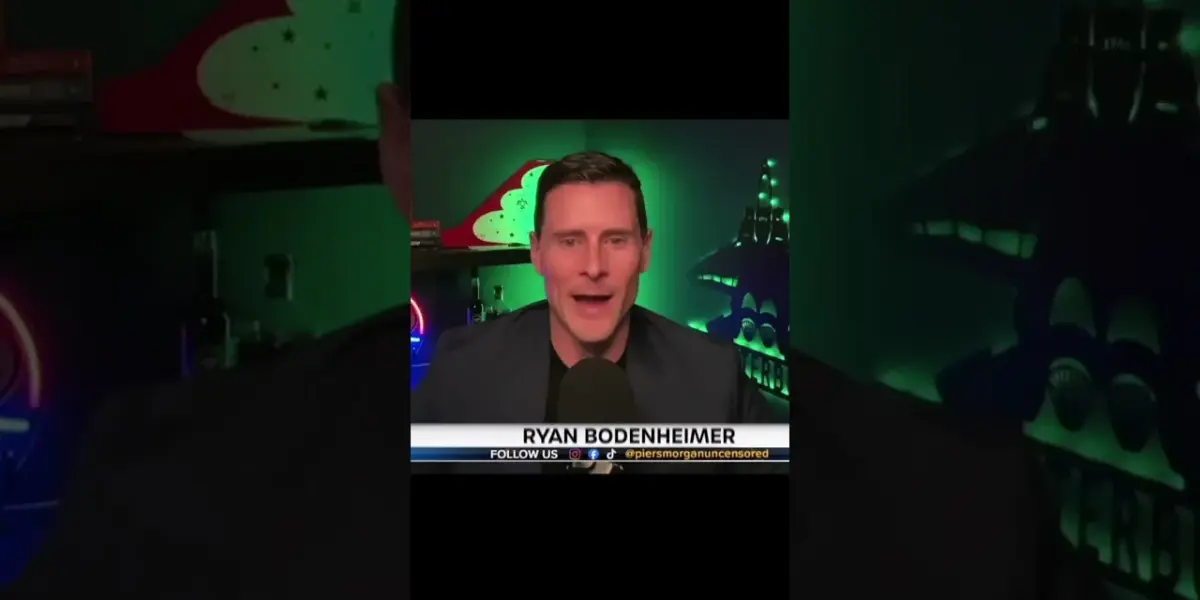
Ex-Pilot Counters Trump Iran Comments Amid Rescue
Amidst widespread praise for a recent high-stakes rescue mission, a former U.S. Air Force combat pilot has offered a different perspective on controversial remarks made by Donald Trump concerning Iran. The pilot, who served in combat, suggested that the focus on Trump’s statements overshadowed the heroism displayed during the operation. He argued that Trump’s words were not a call for genocide but a targeted criticism of Iran’s current leadership.
Heroic Rescue Operation Praised
The recent rescue mission has been widely lauded as an act of incredible heroism. Both the pilot involved in the mission and the teams that executed the recovery have been recognized for their bravery and skill. The operation successfully brought an American aviator back safely, marking a significant positive event.
Pilot’s Perspective on Trump’s Remarks
Max Afterburner, a former U.S. Air Force combat pilot, joined the discussion, emphasizing the importance of understanding the context behind Donald Trump’s recent posts about Iran. Afterburner, who has direct combat experience, noted that while the rescue was a remarkable achievement, the public discourse seemed to be dominated by political commentary.
“There’s never a good time in the middle of the night to come face to face with a Navy Seal unless you’re the weapon systems officer getting rescued,” Afterburner remarked, highlighting the dangerous nature of such operations. He expressed pride in the rescue forces and the safe return of the aviator, calling it a “great day for America.”
Analyzing Trump’s “Truth Post”
Afterburner specifically addressed a post made by Trump, often referred to as a “Truth Post.” He suggested that the interpretation of this post as a threat of widespread violence was inaccurate. The post in question stated: “47 years of extortion, corruption, and death will finally end. God bless the great people of Iran.”
According to Afterburner, Trump’s statement was not about harming the general population of Iran. Instead, he believes Trump was targeting the Islamic Revolutionary Guard Corps (IRGC). The IRGC is a branch of the Iranian armed forces established after the 1979 revolution. Afterburner characterized the IRGC as a regime that has been in power for 47 years, allegedly responsible for “extortion, corruption, and death.” He stated that Trump’s focus was on eradicating this specific entity, which he described as a “terrorist regime.”
Strategic Context: Targeting the IRGC
The distinction made by Afterburner is significant in understanding military and political rhetoric. The IRGC plays a major role in Iran’s military and economic sectors. It oversees Iran’s ballistic missile program and supports allied groups in the Middle East. By focusing on the IRGC, Trump’s rhetoric, as interpreted by Afterburner, aims at dismantling the power structure perceived to be oppressing the Iranian people and destabilizing the region.
This approach contrasts with broad condemnations of a nation’s entire population. Focusing on specific entities like the IRGC aligns with strategies that seek to isolate and weaken a regime’s military and political influence without necessarily calling for indiscriminate violence. It suggests a strategic objective to change the leadership or its operational capacity.
Historical Parallels
Throughout history, leaders have used strong rhetoric to target specific factions or regimes they deem hostile. During the Cold War, Western powers often spoke of confronting the Soviet Union’s communist leadership rather than the entire Russian populace. Similarly, during World War II, Allied leaders focused their condemnation on Nazi Germany’s leadership and its military apparatus, distinguishing them from the German people.
These historical examples show a pattern of rhetoric that aims to delegitimize and undermine the ruling powers of adversarial nations. The goal is often to incite internal change or weaken the enemy’s ability to wage war. Afterburner’s interpretation of Trump’s comments suggests a similar strategic communication tactic, aiming to rally opposition against the IRGC specifically.
Geopolitical Impact
The differing interpretations of Trump’s statements have broader geopolitical implications. If the international community perceives Trump’s words as a direct threat to the Iranian people, it could lead to increased tensions and further isolation of the United States. However, if his remarks are understood as a critique of the IRGC, it might resonate with those within Iran and the region who oppose the current leadership.
The focus on the IRGC also touches upon the complex dynamics of regional security. The IRGC’s activities, including its support for various militias and its ballistic missile development, are a major concern for countries in the Middle East and for Western allies. Rhetoric that specifically targets the IRGC could be seen as an attempt to disrupt these activities and alter the regional balance of power.
What This Means on the Ground
For those involved in military operations, clarity in communication is paramount. Afterburner’s intervention suggests a need for precise language when discussing foreign policy and potential military actions. Misinterpretations can have serious consequences, potentially escalating conflicts or undermining diplomatic efforts.
The emphasis on the IRGC as the target, rather than the Iranian people, could signal a strategic shift in how the U.S. approaches its relationship with Iran. It implies a focus on dismantling the capabilities and influence of a specific military and political organization. This could involve sanctions, intelligence operations, or other forms of pressure aimed directly at the IRGC’s network and operations. Understanding this distinction is crucial for interpreting future U.S. policy statements and actions regarding Iran.
Source: Shocking Clash Max Afterburner Pushes Back Against Piers Morgan on Trump Posts (YouTube)

Related Articles
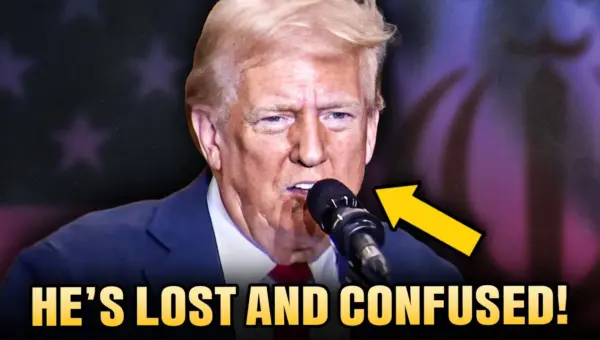
Trump Pivots to Business with Iran Amidst Global Chaos
Amidst confusing reports from Iran, Donald Trump has shifted focus to a potential business deal involving the Strait of Hormuz. His suggestion of a "joint venture" with Iran has drawn criticism for prioritizing potential personal profit over complex geopolitical issues.
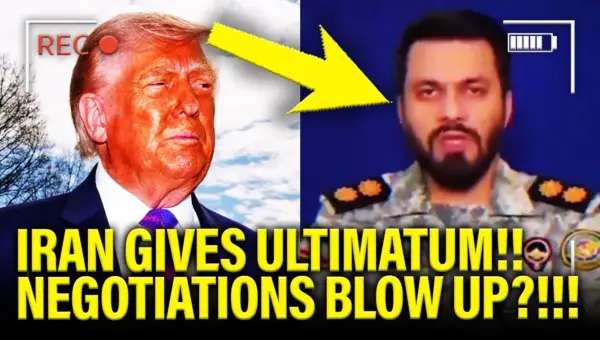
Iran’s Ultimatum Shakes US Diplomacy, Fuels Global Instability
Iran's refusal to attend crucial talks in Pakistan, demanding adherence to a prior 10-point framework, has triggered a diplomatic crisis. The standoff, coupled with escalating threats and economic fallout, highlights global instability and raises serious questions about international relations and accountability.
Trump’s Iran Policy Strengthened Hardliners, Experts Say
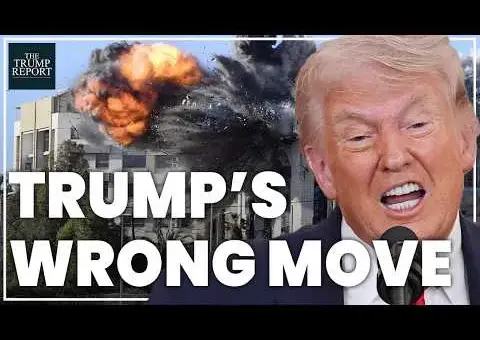
Experts argue that former President Trump's "maximum pressure" policy against Iran inadvertently strengthened hardliners and made the country more determined to pursue nuclear capabilities. The analysis highlights missed diplomatic opportunities and the unintended consequences of military action, suggesting a need for more nuanced strategies.