A Knight of the Seven Kingdoms: Episode 5 Delivers!
Episode 5 of 'A Knight of the Seven Kingdoms' delivers a brutal, action-packed trial by combat and a poignant exploration of Dunk's past in Flea Bottom. The episode masterfully blends intense fight sequences with deep character development and lore expansion, solidifying its place as a standout in the Game of Thrones universe.

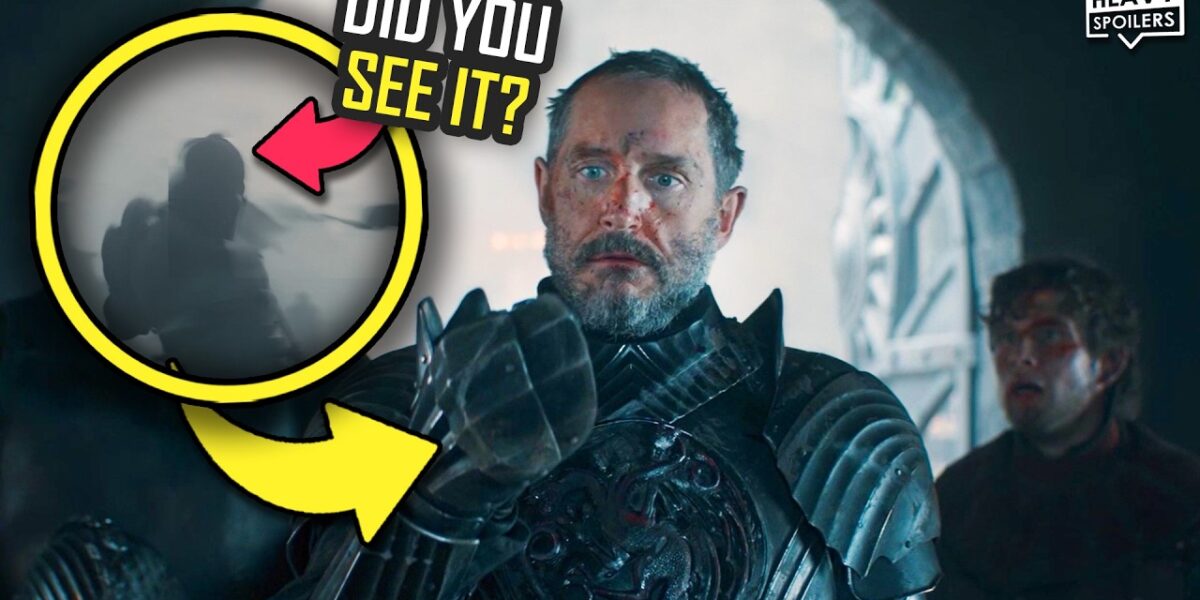
‘A Knight of the Seven Kingdoms’ Episode 5: A Bloody Triumph
The latest installment of HBO’s prequel series, A Knight of the Seven Kingdoms: The Hedge Knight, has delivered an absolutely stellar episode, leaving fans buzzing with excitement. Episode 5, titled “The Village Hero,” not only boasts one of the most intense and well-executed fight sequences in the entire Game of Thrones franchise but also significantly deepens the lore with Dunk’s poignant experiences in Flea Bottom.
This episode masterfully weaves together action, character development, and intricate world-building, offering a compelling narrative that deviates from and expands upon George R.R. Martin’s original text.
A Trial by Combat for the Ages
The episode kicks off immediately following the previous week’s events, with Ser Duncan the Tall and his companions finding themselves in a precarious situation. The tension is palpable as Bor Branspear rallies his team for what is to be a trial by combat.
The visual storytelling is immediately striking, with a god’s-eye view of the proceedings that perfectly complements the gravity of the impending battle. This perspective emphasizes the idea that the gods themselves might be observing, perhaps even influencing, the outcome of this life-or-death struggle between fourteen knights.
The visual language of the episode is rich with symbolism, drawing heavily on the religious iconography of Westeros. The seven-pointed star motif, prevalent in the scene, highlights the deep-seated faith of the characters. Dunk is depicted as the warrior, the protector of the faithful, while Bor embodies the father, the judge.
A notable visual parallel is drawn between Bor’s position and the Stranger, the Westerosi personification of Death, subtly foreshadowing his tragic fate by the episode’s end. This intricate layering of symbolism enhances the narrative’s depth, rewarding attentive viewers.
Strategic Brilliance and Grim Realism
Bor Branspear, a veteran of countless battles, takes command with a clear strategy. The decision to utilize the longer Tourney lances proved to be a cutting tactical move, designed to keep their opponents at bay. This strategic thinking is reminiscent of the novel, but the show adds its own unique flair.
Dunk, recalling Ser Allan’s advice, understands that jousting is about precision, but the stakes here are far higher than in a typical tourney. Bor’s counsel to aim for the helm or chest, rather than the shield, highlights the brutal reality of a fight to the death.
The episode doesn’t shy away from the visceral impact of combat. The scene where Raymond vomits before the battle mirrors Dunk’s earlier reaction in episode three, creating a thematic resonance. This act of purging before a life-altering event is a powerful visual metaphor.
For Dunk, it was a moment before meeting Ser Allan; for Raymond, it signifies the overwhelming reality of his first true battle. While this specific detail isn’t in the book, its inclusion adds a layer of gritty realism, particularly for characters like Dunk, who is new to such large-scale combat, and Raymond, a newly dubbed knight.
Character Moments and Book Deviations
The show also explores Dunk’s knighting, adding an intriguing interpretation. The cutaway to Ser Allan shrugging during the ceremony suggests a moment of uncertainty or perhaps a lack of clarity regarding the exact words of the rite, a detail unique to the series.
The introduction of characters like Humphrey Harding and Humphrey Beesbury, while perhaps less developed than in the books, serve to populate the battle and highlight the brutal efficiency with which the show dispatches them. The death of both Humphre in the initial charge, a deviation from the book where Harding dies later, amplifies the immediate shock and brutality.
Bor Branspear’s decision to face the King’s God himself, citing oaths that forbid attacking a prince of the blood, adds another layer of complexity. His subtle smile as he declares his intention suggests a calculated risk, perhaps even a touch of hubris. The dialogue regarding honor, particularly Rizzling’s questioning of Bor’s actions, echoes the strict adherence to faith seen in characters like the High Sparrow, drawing parallels to the broader Game of Thrones universe.
Flea Bottom: A Stark Reality Check
Beyond the battlefield, the episode digs into Dunk’s past in Flea Bottom, a significant addition not present in the original narrative of The Hedge Knight. This flashback sequence, set against the backdrop of the Battle of the Redgrass Field, offers a stark contrast to the chivalric ideals of knighthood. We see Dunk performing the grim task of cutting a horseshoe from a fallen horse, a visceral reminder of the aftermath of war.
The inclusion of the High Tower sigil and Lannister banners at this battle raises questions, as the book details differ. While the show may be taking liberties, it serves to enrich the historical mix of Westeros.
Dunk’s encounter with a dying soldier, who calls for his mother, provides a poignant moment. While it could be interpreted as a plea for mercy, it also echoes the theme of survival against all odds, much like Bor’s own precarious state after a devastating blow.
The introduction of Rafe, a childhood friend of Dunk’s from Flea Bottom, adds a crucial emotional dimension. The show portrays their bond as a deep platonic friendship, with Dunk’s affection for Rafe possibly stemming from memories of a past love or a desire for connection.
Rafe, a skilled scavenger, highlights the harsh realities of life in King’s Landing’s poorest district. Their struggle to survive, resorting to stealing gold teeth from the dead, is a grim testament to the desperation born from poverty and war.
The depiction of Flea Bottom itself is masterfully done, presenting a claustrophobic, filthy, and desperate environment. The corruption of the City Watch is evident, with characters like Alistister embodying the brutal and unforgiving nature of this world. Rafe’s escalating rivalry with Alistister, driven by petty theft and revenge, tragically mirrors the larger conflicts that plague Westeros, ultimately leading to her demise.
Hope and Tragedy in the Aftermath
The episode culminates in a heartbreaking tragedy for Dunk and Rafe. Despite their hopes of escaping Flea Bottom and seeking adventure, their plans are thwarted by the harsh realities of their circumstances and the cycle of violence.
Rafe’s final moments, cornered by Alistister and his accomplice, are a brutal reminder of the consequences of their actions. Her death, and Dunk’s potential blame for not preventing it, highlight the profound sense of loss and the enduring impact of war on the innocent.
The visual details, from Rafe’s unique winged helmet to the stag sigil on the coins they acquire, are packed with foreshadowing and thematic significance. The stag coins, a reference to the term ‘card’ in the book, hint at Dunk’s future encounters.
As Dunk is left to face the future alone, the episode leaves the audience with a profound sense of Dunk’s resilience and his unwavering optimism, even in the face of overwhelming despair. The episode concludes with a new day dawning, symbolizing a glimmer of hope, but the preceding events cast a long shadow, leaving viewers to ponder the true cost of survival in the brutal world of Westeros.
Source: KNIGHT OF THE SEVEN KINGDOMS Episode 5 Breakdown & Ending Explained | Game Of Thrones Easter Eggs (YouTube)

Related Articles


TV’s Most Wild Sex Scenes Revealed!
TV history is packed with moments of intense passion that pushed the boundaries of broadcast. From snowy trysts in 'Spartacus' to explosive encounters in 'The Boys,' these scenes shocked and thrilled audiences. We countdown the most over-the-top intimate moments.
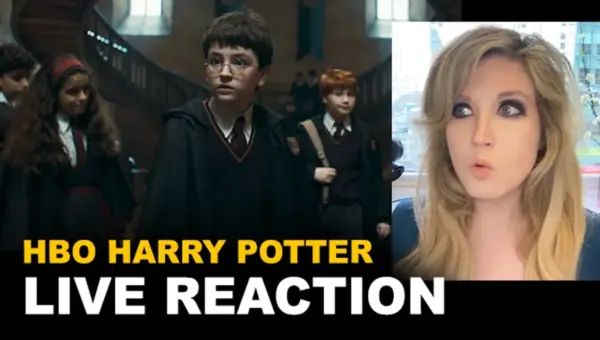
Harry Potter Series Casts Spell for Christmas 2026 Release!
HBO's Harry Potter series is officially coming this Christmas 2026 with a surprise trailer release. The series aims to explore the deeper meaning behind Harry's journey, promising a fresh yet nostalgic take on the beloved wizarding world. Early reactions praise the focus on character and emotional depth.


Chalamet’s Opera Snub Sparks Outrage! Disney Villains Invade Magic Kingdom!
Timothée Chalamet's recent comments on opera and ballet have ignited a firestorm online, while Disney World prepares to unveil a thrilling new 'Villains Land' at Magic Kingdom. Plus, HBO's 'A Knight of the Seven Kingdoms' reveals its full cast.