Vatican-White House Clash: Tensions Rise Over Global Moral Authority
Reports of tension between the Trump administration and the Vatican have surfaced, with a journalist claiming the White House pressured Vatican officials. The Department of Defense denies these claims, calling them "distorted" and stating meetings were "respectful." Experts suggest the Vatican's global moral authority may be a source of conflict.

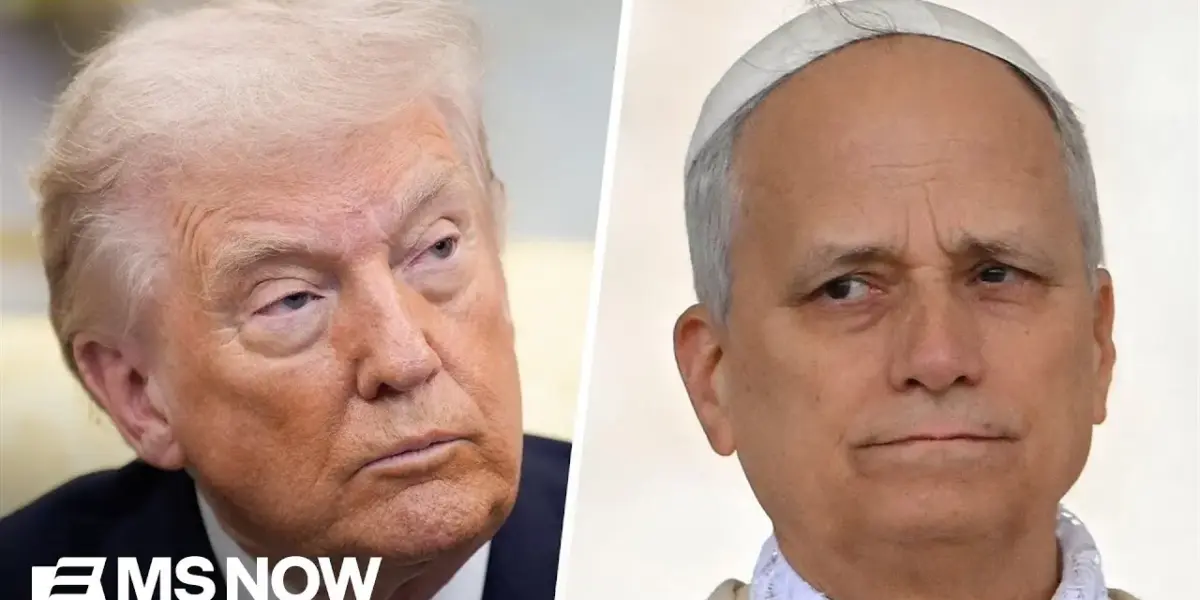
Pentagon Denies Exaggerated Reports of Tense Vatican Meeting
Recent reports suggest significant tension between the Trump administration and the Vatican. A journalist’s detailed account claims the White House pressured Vatican officials regarding military strategies. The Department of Defense has pushed back, calling the reporting “grossly false and distorted.” They stated that a recent meeting between Pentagon and Vatican officials was a “respectful and reasonable discussion.” The Department of Defense expressed “nothing but the highest regard” for the Holy See and welcomes continued dialogue.
Vatican’s Global Influence Sparks White House Concern
The Vatican is often seen as one of the last institutions with global moral authority. This standing appears to be a point of friction for the current administration. Experts suggest this administration may feel threatened by an institution that holds such sway on the world stage.
Political and Deeper Motivations
On a political level, Catholics represent a significant global population, with billions worldwide. They are also well-represented within the U.S. administration, including the Vice President and Secretary of State. The Catholic vote is also a key demographic in American politics. This makes maintaining a connection with Catholic leadership a strategic move for any administration.
Beyond politics, leaders often seek external validation for their actions. The Trump administration reportedly sought the approval, or at least the silence, of Pope Francis. There may have been an expectation that a U.S.-born Pope would be more favorable than his predecessor, who was perceived as critical of the United States.
Legitimacy cannot be created through power alone; it must be sought from outside sources. Even with significant power, an administration needs validation. The Church, despite its challenges, continues to project a form of global moral authority.
Scholar Sees Familiar Tactics in Vatican Confrontation
Bradley Onishi, a scholar of religion and the political right, views the reported Vatican interactions as consistent with the administration’s broader tactics. He describes a pattern where initial discussions can turn into attempts at control or coercion if there is resistance.
“It’s at first a discussion, a conversation. And then if someone resists, doesn’t totally get on board, is not going to be exactly in agreement or in submission to Trump’s wishes, then it just simply turns into force. It turns into an attempt at control or coercion or manipulation.”
Onishi noted the unusual nature of picking a fight with the Vatican, an institution with unique global standing. He questioned the administration’s public characterization of meetings as respectful, drawing parallels to how President Zelensky was reportedly treated during a White House visit.
He suggested that public appearances might mask less respectful interactions behind closed doors. The methods used publicly, like dressing down a leader during wartime, hint at a more forceful approach when cameras are off.
Journalist Stands by Reporting Amidst Defense Department Rebuttal
Reporter Mattia Ferraresi stands by his reporting, expressing confidence in his sources. He described the meeting as tense, contradicting the administration’s portrayal of an “idyllic” discussion.
Ferraresi found it ironic that the Department of Defense’s rapid response team issued a statement about a meeting that occurred weeks prior. This delay, he argued, suggests the response was not as swift as implied.
He emphasized that the specific meeting, while attention-grabbing, is part of a larger pattern of escalating tensions between the two entities. This broader context is crucial for understanding the situation.
Pope’s Direct Appeal for Peace Highlights Growing Disagreements
Ferraresi pointed to an unprecedented move by Pope Francis himself. The Pope directly addressed American citizens, urging them to contact their representatives in Congress to advocate for peace. This direct appeal is a significant departure from typical papal communication.
This action, according to Ferraresi, clearly indicates escalating tensions. It shows a willingness by the Pope to directly influence U.S. policy, stepping outside traditional diplomatic channels.
Looking Ahead: Future Vatican-U.S. Relations
The differing accounts of the meeting and the Pope’s recent actions suggest ongoing friction between the Vatican and the U.S. administration. Future interactions will likely be closely watched to see if this tension eases or intensifies. The Vatican’s role as a global moral authority may continue to be a point of contention as global events unfold.
Source: Trump and The Vatican at Odds: Reporter sheds light on alleged tensions (YouTube)

Related Articles
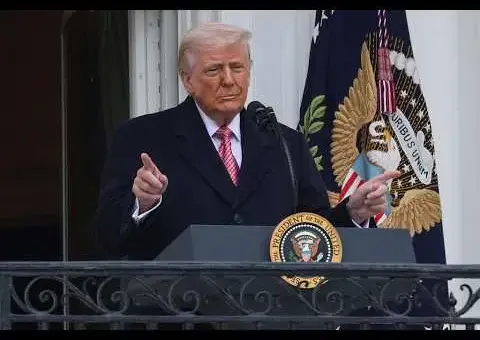
Trump’s Tariffs Face New Legal Test in Trade Court
Twenty-four states and two small businesses are challenging President Trump's global tariffs, arguing he lacks the authority under Section 122 of the Trade Act of 1974. This legal battle follows a Supreme Court ruling that limited similar emergency tariff powers.
Iran Turns Strait of Hormuz Into ‘Toll Booth,’ Ex-Pentagon Official Warns
A former Pentagon spokesperson warns that Iran has turned the Strait of Hormuz into a 'toll booth,' significantly increasing its leverage. Shipping has dwindled, and fears of disruption persist. The situation also raises concerns about eroding U.S. deterrence and weakening NATO unity.
General Refuses to Yield Amidst Pentagon Power Play
Defense Secretary Pete Hegsath has dismissed top Army leaders, including General Randy George, amidst escalating tensions with Iran. These firings, coupled with disputes over promotions and allegations of bias, reveal deep divisions within the Pentagon. Public confidence in the conflict is also waning, raising questions about the stability of US military leadership.