Israel Escalates Lebanon Attacks Amid Ceasefire Talks
Israel is intensifying its military operations in Lebanon, resulting in a significant rise in civilian casualties, even as diplomatic talks between the U.S. and Iran are set to begin. A key dispute involves whether Lebanon is included in the ceasefire agreement, complicating peace efforts.

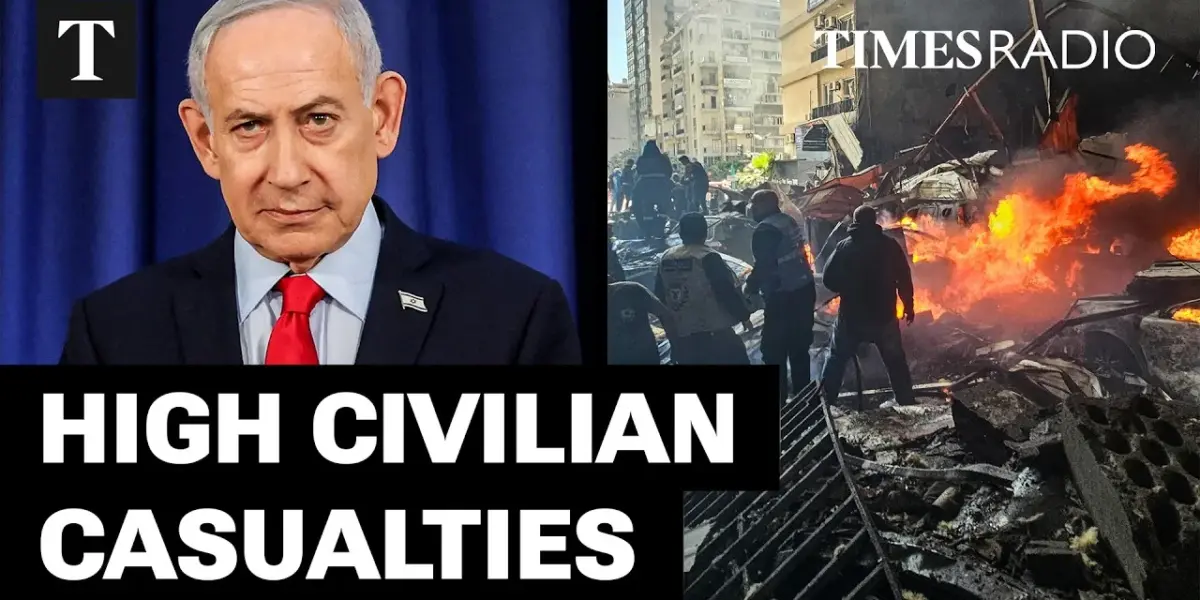
Israel Intensifies Military Pressure on Lebanon Amid Diplomatic Efforts
The ongoing conflict between Israel and Hezbollah has reached a critical point, with Israel employing “maximum military pressure” in Lebanon while diplomatic efforts aimed at a broader Middle East settlement are underway. Reports indicate a significant rise in civilian casualties in Lebanon, prompting concerns about the humanitarian impact of the intensified military campaign.
Ceasefire Talks and the Lebanon Question
Negotiations between the United States and Iran are set to take place in Islamabad, Pakistan, with the aim of de-escalating regional tensions. However, a key point of contention has emerged regarding the inclusion of Lebanon in the ceasefire agreement. While the U.S. insists that the ceasefire does not explicitly cover Lebanon, Iran reportedly believed it was part of the deal.
This disagreement has complicated the diplomatic process. JD Vance, expected to lead the U.S. negotiating team, has maintained that the ceasefire’s focus was on Iran and its allies, excluding Lebanon. This stance has created a gap between the two sides, making the upcoming talks challenging from the outset.
Netanyahu Directs Talks with Beirut Amidst Escalation
In a significant development, Israeli Prime Minister Benjamin Netanyahu has announced that his cabinet will begin talks with Beirut. This move comes amid reported pressure, possibly from U.S. President Donald Trump, to address the situation in Lebanon. However, experts question the effectiveness of such talks, given that the Lebanese government does not fully control Hezbollah’s actions.
Michael Evans, former defense editor for The Times, noted the confusion surrounding the Lebanon issue. “I think the Lebanon one is a bit confusing,” Evans stated. “I think certainly Iran seems to be under the impression that this was part of the deal, the ceasefire deal.” He added that while talks with the Lebanese government are a step, they might not lead to an effective ceasefire from Hezbollah, which continues to fire rockets into Israel.
Disproportionate Impact and Civilian Toll
Nada Homsy, a correspondent at The National’s Beirut Bureau, provided a stark account of the situation on the ground in Lebanon. “Israeli attacks have not stopped since March 2nd when this war started,” Homsy reported. She described scenes of devastation, with hospitals overwhelmed and people searching for loved ones amidst the rubble. “What we saw yesterday was a series of massacres essentially,” she stated, highlighting the lack of care to avoid civilian casualties.
The health ministry reported 303 deaths across the country from recent strikes, with a significant portion being women and children. Homsy emphasized the ongoing nature of the Israeli military campaign, even as talks of negotiations begin. “There’s talk of negotiations but there’s also an ongoing military campaign,” she said.
Stalemate in U.S.-Iran Negotiations
The upcoming talks in Islamabad face significant hurdles due to fundamental disagreements between the U.S. and Iran. Key issues include Iran’s nuclear program and its control over the Strait of Hormuz. Iran insists on its right to enrich uranium for civilian purposes and maintain control over the strategic waterway, demands that the U.S. is unlikely to accept.
“There are so many gaps between the two sides when they meet in Islamabad,” Evans observed. “It’s actually quite difficult to see how they can get round any of these problems.” He believes the negotiations will start under extremely difficult conditions, with a low chance of establishing even a basic framework for future discussions.
Iran’s Assertiveness and the Strait of Hormuz
The conflict has seemingly empowered Iran, particularly concerning its control over the Strait of Hormuz. Iran has historically had the capability to disrupt shipping in the vital waterway, and the current tensions have led to increased assertiveness. “They now have what they think is the right to demand much more monitoring and supervisory control over the strait,” Evans explained. Iran’s stance on retaining this control and potentially charging tolls for tankers represents a significant challenge for international maritime security.
Future Outlook: Uncertainty and Continued Pressure
The situation remains highly volatile. While diplomatic channels are opening, the military escalation in Lebanon continues, leading to a growing civilian death toll. The success of the Islamabad talks hinges on bridging the wide gap between U.S. and Iranian demands. Meanwhile, the direct negotiations proposed between Israel and Lebanon introduce another layer of complexity, with questions about their potential effectiveness and the underlying political tensions they might exacerbate.
Source: Israel Using ‘Maximum Pressure’ As Civilian Toll Rises In Lebanon (YouTube)

Related Articles
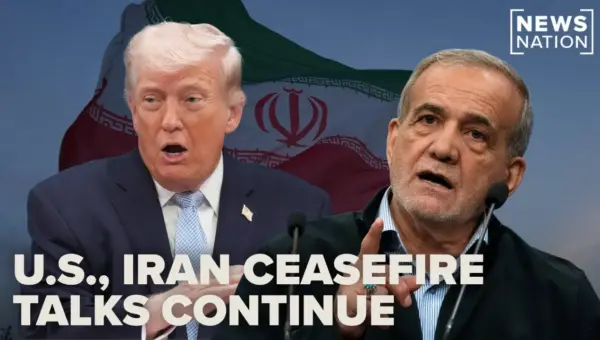
Iran Threatens Strait of Hormuz Amid Lebanon Strikes
Iran threatens to close the vital Strait of Hormuz in response to ongoing strikes in Lebanon. The US is trying to de-escalate, but actions on the ground remain a concern, potentially impacting global oil markets and future negotiations.

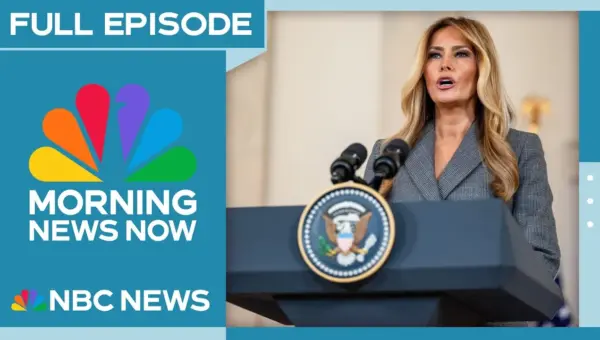
Middle East Tensions Rise Amid Ceasefire Violations
Middle East tensions are escalating as Iran is accused of violating a ceasefire, leading to rising oil prices and renewed strikes between Israel and Hezbollah. Meanwhile, Vice President J.D. Vance is preparing for crucial peace talks in Pakistan. In other news, First Lady Melania Trump has broken her silence to deny rumors linking her to Jeffrey Epstein.
Israel Orders More Strikes on Hezbollah Amid Lebanon Talks
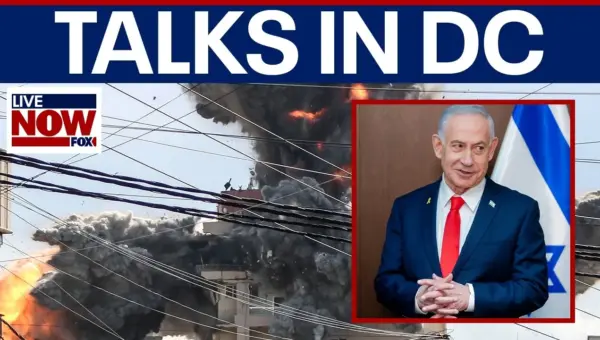
Israel has ordered intensified strikes on Hezbollah in Lebanon as direct negotiations between the two nations are set to begin. The Prime Minister's office stated the operations aim to dismantle Hezbollah, which it calls a "genocidal terror organization" threatening both Israeli and Lebanese civilians. The talks seek to disarm Hezbollah and establish long-term peace.