Gulf Nations Brace for Fallout After Iran Ceasefire
Gulf nations and Israel remain on high alert despite a U.S.-Iran ceasefire, fearing continued proxy and cyberattacks. The fragile truce highlights ongoing regional rivalries and the complex geopolitical landscape shaped by decades of conflict and shifting alliances.


Gulf Nations on Alert Amid Shifting Iran Ceasefire Dynamics
A fragile two-week ceasefire between the U.S. and Iran has brought a temporary pause to direct hostilities, but the Middle East remains a tinderbox. Israel and several Gulf nations, key U.S. allies, are maintaining a heightened state of alert. Missiles have been intercepted over Tel Aviv and Doha, highlighting the ongoing threat of proxy attacks and regional instability. The United States is also expressing concern about potential terror and cyberattacks originating from the region.
Motivations and Interests at Play
The U.S. sought the ceasefire to de-escalate tensions and prevent a wider conflict. For Iran, the deal offers a chance to ease international pressure and possibly circumvent some sanctions. However, for Israel, the ceasefire is viewed with deep suspicion. Israeli leaders see it as insufficient to address Iran’s broader regional ambitions and its support for militant groups. Gulf nations, particularly those that have recently normalized ties with Israel, share these concerns. They fear that Iran will use the lull to strengthen its proxy networks, which could then target their own interests.
Proxy Warfare and Cyber Threats
The current situation underscores the complex nature of Middle East security. Direct conflict between the U.S. and Iran is avoided by the ceasefire, but the risk of proxy attacks remains high. Groups like Hezbollah in Lebanon or Houthi rebels in Yemen, often supported by Iran, can continue to act as Iran’s proxies. These groups can launch attacks that don’t directly implicate Iran, making it harder for the U.S. and its allies to respond. Cyberattacks are another growing concern. These can be launched anonymously and can disrupt critical infrastructure or steal sensitive information, causing significant damage without firing a shot.
Historical Context: A Long Shadow
The current tensions are rooted in decades of rivalry between Iran and its neighbors, as well as Iran’s complex relationship with the West. The Iranian Revolution in 1979 fundamentally altered regional dynamics. Since then, Iran has supported various groups across the Middle East, often in opposition to U.S. and Israeli interests. This support has fueled regional conflicts and proxy wars, such as those seen in Syria, Yemen, and Iraq. The current ceasefire is a small step, but it does not erase the long history of distrust and competition.
Economic Leverage and Dependencies
Economic factors play a crucial role in this volatile environment. Sanctions imposed by the U.S. and other Western nations aim to cripple Iran’s economy and limit its ability to fund proxy groups. However, Iran has also demonstrated resilience, finding ways to circumvent sanctions through illicit trade or support from other nations. Energy routes through the Persian Gulf are vital for global markets. Any disruption to these routes, whether through direct conflict or proxy attacks, can have significant economic consequences worldwide. Control over resources and trade routes remains a key point of contention.
Shifting Alliances and Regional Power Balance
Recent years have seen significant shifts in regional alliances. The Abraham Accords, which normalized relations between Israel and several Arab nations like the UAE and Bahrain, signaled a new alignment against perceived Iranian expansion. This has created a more complex geopolitical map. While these nations now cooperate more closely with Israel, they are also wary of Iranian aggression. The U.S. has supported these new alliances, seeing them as a way to promote stability and counter Iran. However, the current ceasefire may test these new partnerships, as nations weigh their security interests against the risks of escalation.
Future Scenarios
Several future scenarios are possible. The ceasefire could hold, leading to further de-escalation and diplomatic engagement. This is perhaps the most optimistic but least likely outcome, given the deep-seated rivalries. Alternatively, the two-week period could be a temporary pause, with proxy attacks continuing or even escalating. Iran might use the time to bolster its capabilities, leading to renewed tensions once the ceasefire expires. A more concerning scenario involves a miscalculation or a deliberate provocation by a proxy group that draws the U.S. or its allies into a direct military response, shattering the fragile peace.
Global Impact
The stability of the Middle East has global implications. Disruptions to oil supplies can send shockwaves through the world economy. The region is also a major focus for international counter-terrorism efforts. A prolonged period of heightened tension or conflict could divert resources and attention from other global challenges. The ongoing struggle for influence between Iran, the U.S., and regional powers like Saudi Arabia and the UAE shapes international relations and impacts global security in profound ways.
Why This Reshapes the World Order
The current situation highlights a world order where traditional alliances are being re-examined. The rise of proxy warfare and cyber threats means conflicts can be waged below the threshold of direct military confrontation. Nations are increasingly reliant on complex networks of alliances and economic tools to project power. The U.S. faces the challenge of managing its relationships with traditional allies like Israel and Saudi Arabia, while also engaging in delicate diplomacy with Iran. This intricate balancing act reflects a broader trend towards multipolarity, where power is more diffused and regional dynamics have a greater impact on global stability.
Note on Sandra Birchmore Case
The mention of the Sandra Birchmore case and its connection to DNA evidence, sparking online outrage, is a separate development discussed on ‘Jesse Weber Live.’ While it indicates a broader range of topics covered on the program, it does not directly impact the geopolitical analysis of the Middle East ceasefire and its regional implications.
Source: Gulf nations still on alert after ceasefire deal and proxy attacks | JWL Full Episode 4/7 (YouTube)

Related Articles
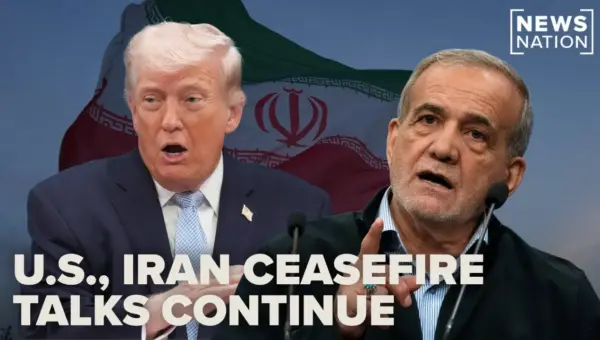
Iran Threatens Strait of Hormuz Amid Lebanon Strikes
Iran threatens to close the vital Strait of Hormuz in response to ongoing strikes in Lebanon. The US is trying to de-escalate, but actions on the ground remain a concern, potentially impacting global oil markets and future negotiations.

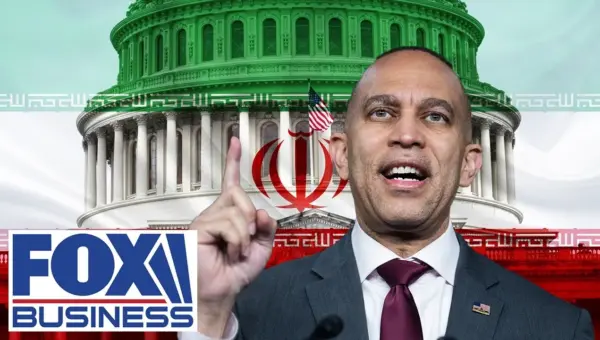
Senator Slams Jeffries’ Iran Stance, Cites Nuclear Threat
Senator Rick Scott sharply criticized House Democratic Leader Hakeem Jeffries over his stance on Iran, calling him an "idiot" for seeking to limit the President's authority. Scott highlighted the threat of Iran developing nuclear weapons. The discussion also covered President Trump's stance on NATO and the ongoing DHS funding shutdown.

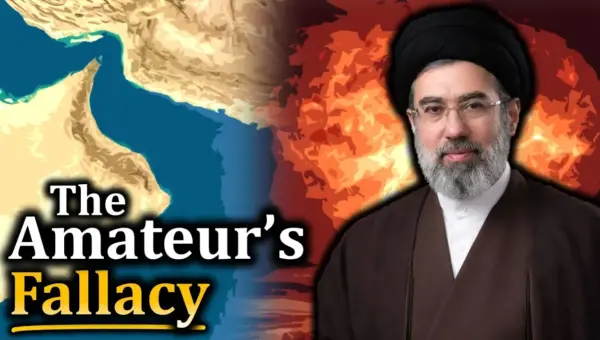
Iran’s Hormuz Threat: A Known Tactic, Not New
Recent conflict did not teach Iran a new tactic by threatening to close the Strait of Hormuz. Experts and Iranian planners have long understood this strategic leverage. The effectiveness of the recent shutdown was tied to global perceptions of the preceding conflict's instigator, not a newfound Iranian capability.