Israel Strikes Lebanon, Testing US-Iran Ceasefire
Israel launched its heaviest air strikes on Lebanon in recent memory, targeting over 100 Hezbollah sites and killing hundreds. The attacks have cast doubt on a US-Iran ceasefire, with conflicting claims about whether Lebanon was included in the truce. Experts suggest the situation is more about US-Iran dynamics than Lebanon itself.

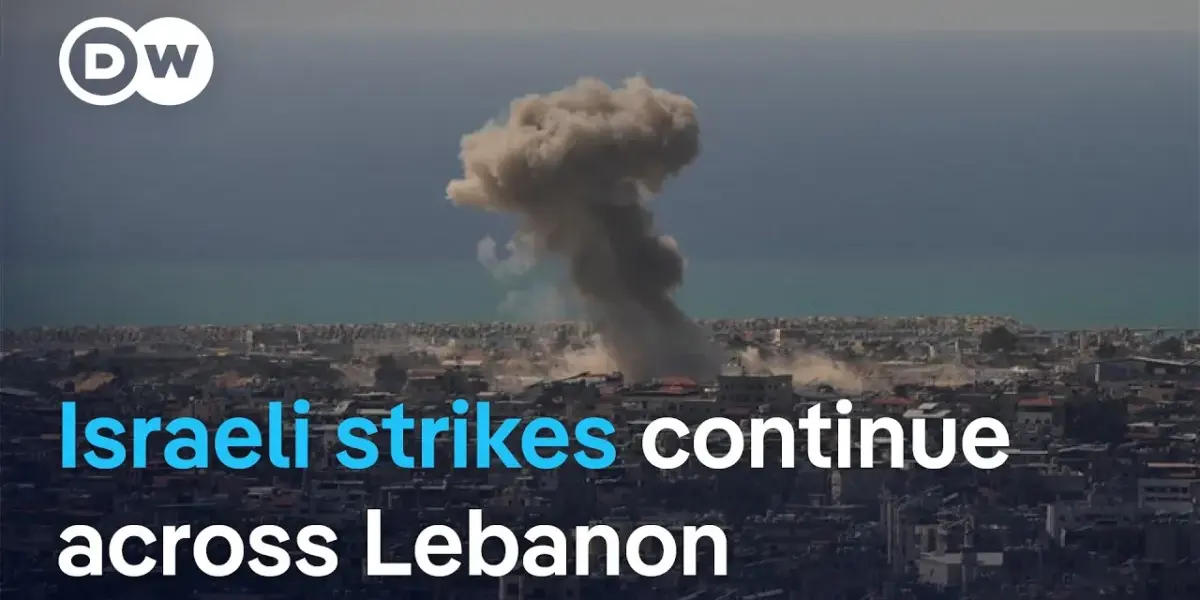
Israel Launches Major Strikes in Lebanon, Sparking Ceasefire Doubts
Israel has carried out its heaviest air strikes on Lebanon in recent memory, targeting over 100 Hezbollah sites. The attacks, which occurred on Wednesday, have cast a shadow over a two-week ceasefire recently agreed upon by the United States and Iran. While Israel insists Lebanon is not part of the truce, Iran argues it is. Rescuers worked through rubble in the aftermath, with hundreds reported killed and injured.
Heaviest Attacks Since Conflict Began
The strikes hit targets across Lebanon, including the capital, Beirut. Israeli Prime Minister Benjamin Netanyahu ordered his cabinet to begin talks with Lebanon aimed at disarming the Iran-backed militant group Hezbollah. However, the scale of the attacks, with over 100 sites hit in roughly 10 minutes, suggests a significant escalation.
DW’s Beirut bureau chief, Muhammad, described the scene: “Today is a national day of warning following the massive Israeli attacks on several locations across central Beirut and other parts of the country.” He noted that the strikes in central Beirut were “unprecedented and unexpected,” especially as they occurred during rush hour, contributing to the high number of casualties.
Devastating Toll in Lebanon
According to the Lebanese Health Minister, more than 200 people were killed and at least 900 others injured in the attacks. Hospitals across the country are overwhelmed. “The scenes of frustration and the scene of uncertainty is all over the city,” Muhammad reported. “I can still smell gunpowders.” The presence of Israeli drones overhead added to the tense atmosphere as Beirut tried to recover.
Ceasefire Disagreement Fuels Uncertainty
The core of the issue lies in the differing interpretations of the US-Iran ceasefire. The US and Israel maintain that Lebanon was excluded from the truce. Conversely, Iran, which helped broker the deal along with Pakistan, states that Lebanon is an inseparable part of the agreement. Iran has vowed not to abandon the Lebanese people and warned of strong responses to any violations, leaving Lebanon in a precarious position.
Expert Analysis: Talks and the Bigger Picture
Aaron David Miller, a senior fellow at the Carnegie Foundation for International Peace, described Israel’s offer of talks as largely performative, potentially driven by pressure from the Trump administration. “You’re not going to have serious negotiations… between the Israeli ambassador here and the Lebanese ambassador here,” Miller stated. He believes any significant de-escalation will likely come through direct conversations between U.S. President Donald Trump and Prime Minister Netanyahu.
Hezbollah’s Role and Disarmament Challenges
Miller expressed skepticism about the possibility of disarming Hezbollah. He explained that Lebanon has been heavily influenced by Iran for a long time, with Hezbollah and the Iranian ambassador playing key roles. While the Lebanese government has made efforts to exert political pressure, Miller believes neither the Lebanese government nor its armed forces are prepared to forcibly dismantle Hezbollah. He also noted that Israel’s past experiences in Lebanon, including a 1982 invasion, have been difficult, suggesting they too cannot easily disarm the group.
The Iran-US Dynamic is Key
Miller emphasized that the real significance of these events is not about Lebanon itself, but about the broader US-Iran relationship and the fragile ceasefire. He suggested that Iran might use the situation to its advantage. “The real salience of all this has nothing to do with Lebanon. It has to do with the Iranian US Israeli ceasefire and whether or not the Iranians make um deescalation or the end of Israeli military activities in Lebanon a condition for Syria negotiations to implement this fraught and fragile ceasefire,” he said.
Israel’s Strategy and the Strait of Hormuz
Regarding Israel’s strategy, Miller suggested that any meaningful negotiations would need to happen between Trump and Netanyahu. He posited that if Iran were to offer concessions, such as reopening the Strait of Hormuz, in exchange for Israel standing down in Lebanon, Trump might pressure Israel. However, Miller also noted that the Strait of Hormuz was never truly opened, with Iran controlling access. He believes Israel is not intentionally sabotaging the ceasefire, but the situation is complex.
“If Trump discerns that the Iranians are interested in opening the straits, and they have no urgency. Now, they think they’re winning,” Miller explained. “And frankly, objectively speaking, they are. So, Trump will pressure Israel if two things happen: Number one, the Iranians appear to be serious about reopening the trades. And number two, the Iranians say to Trump, ‘Look, we need if you want us to open the straits and if you want out of this war 2 weeks, 3 weeks, then you got to get you got to get the Israelis to do something about standing down in Lebanon.'”
Currently, there is little indication that Iran is serious about reopening the Strait of Hormuz, making it unclear how much pressure Trump would apply to Israel regarding Lebanon.
Looking Ahead
The coming days will be crucial in determining whether the US-brokered ceasefire can hold, especially given the differing interpretations and the ongoing military actions. All eyes will be on the diplomatic channels between Washington and Tehran, and how President Trump chooses to navigate the complex relationship between the US, Iran, and Israel in the context of regional stability.
Source: Israel strikes more targets in Lebanon as US‑Iran ceasefire holds | DW News (YouTube)

Related Articles

Iran’s Truce Claims Crumble Amidst Regional Tensions
Reports of a ceasefire between Israel and Iran, allegedly brokered with U.S. involvement, are collapsing. No public document or official agreement exists, leaving the U.S. as the sole willing partner with much to lose. Meanwhile, Iran escalates rhetoric and continues regional actions, while domestic U.S. controversies distract from foreign policy.
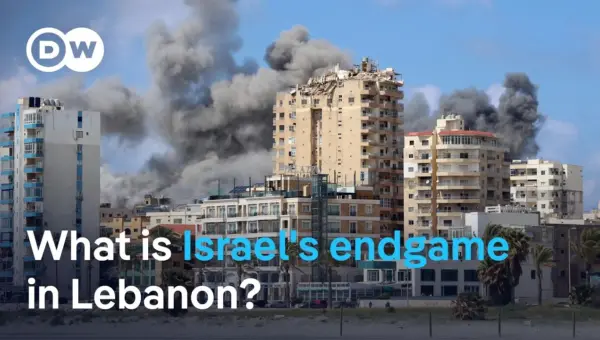
Israel Bombs Beirut, Netanyahu Approves Talks Amid Ceasefire Confusion
Israel has bombed Beirut and approved talks with Lebanon amid confusion over a US-Iran ceasefire deal. Analyst Shakria Brados explains the differing goals of the US and Israel, and how a shift in Lebanese government policy may enable cooperation against Hezbollah.
US Demands Iran Halt Nuclear Program in Peace Talks
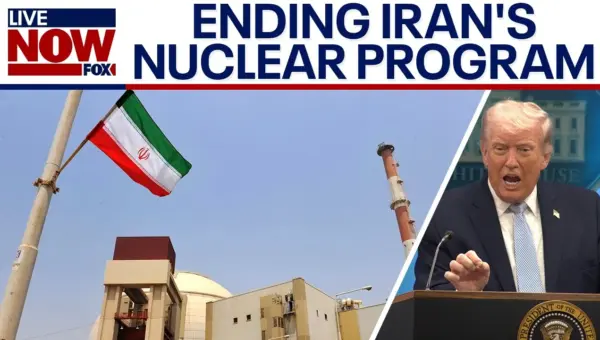
The United States will demand Iran completely end its nuclear program during peace talks in Pakistan this weekend. Vice President JD Vance will push for Iran to hand over all materials related to nuclear weapons development. Experts express low expectations for significant breakthroughs, citing Iran's past actions and current stance on uranium enrichment.