US Forces Stay Near Iran as Ceasefire Talks Begin
President Trump has declared U.S. forces will remain near Iran until a "real agreement" is reached, as a temporary ceasefire is tested amidst ongoing regional tensions. Negotiations are underway, but disagreements persist over the terms of the truce, particularly concerning Lebanon's involvement. Meanwhile, oil prices show volatility, reflecting global uncertainty, while discussions on energy independence and regional stability continue.

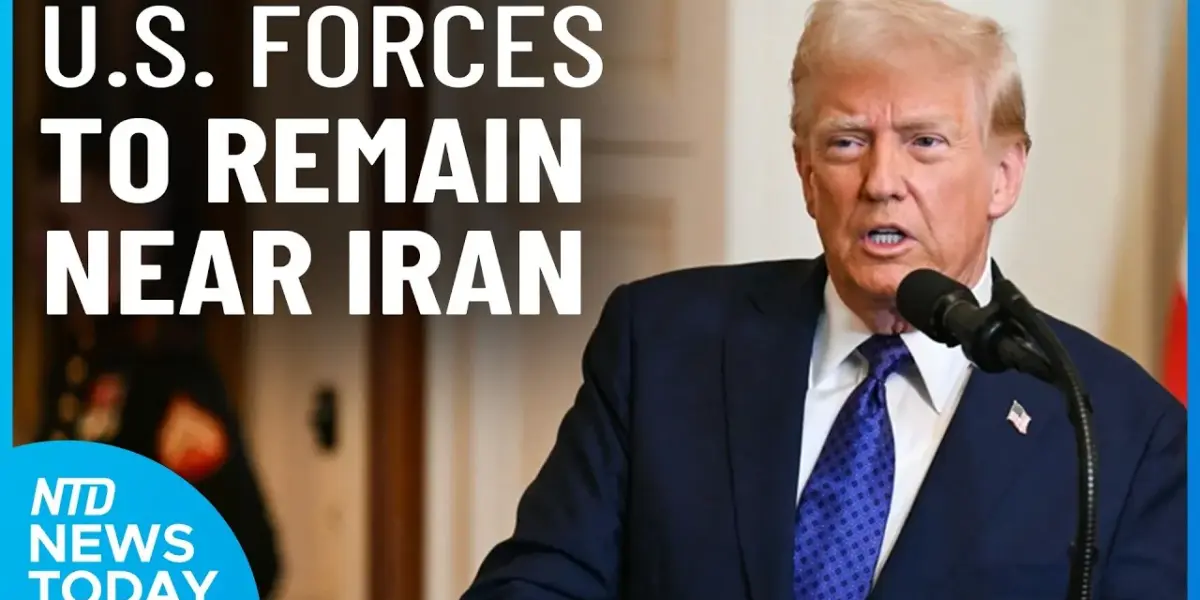
US Signals Enduring Presence in Iran Region Amidst Ceasefire Efforts
President Trump has issued a firm warning to Iran, stating that U.S. forces will remain in and around the country until a “real agreement” is reached and fully followed. This declaration comes as a temporary two-week ceasefire is being tested, with ongoing negotiations attempting to de-escalate regional tensions.
Forces to Remain on High Alert
In a post on True Social, President Trump stated, “All U.S. ships, aircraft and military personnel with additional ammunition, weaponry and everything else that is appropriate and necessary for the lethal prosecution and destruction of an already substantially degraded enemy will remain in place in and around Iran.” This indicates a readiness to act decisively if the situation deteriorates. The War Secretary echoed this sentiment, emphasizing the U.S. commitment to ensuring Iran complies with the ceasefire and eventually engages in serious negotiations.
The current ceasefire is facing challenges, with reports of Iran continuing strikes in Gulf nations and Israel conducting operations in Lebanon. Iran has characterized these actions as violations of the truce. However, Vice President JD Vance clarified that the ceasefire agreement was specifically between the U.S. and Iran and did not include Lebanon. He stressed that if the Strait of Hormuz is not fully reopened as stipulated in the agreement, the U.S. will not abide by its terms if Iran fails to uphold theirs.
Negotiations and Disagreements on Terms
Vice President Vance is scheduled to travel to Pakistan for in-person talks with Iranian officials, accompanied by Jared Kushner and special envoy Steve Witoff. Reports suggest mixed opinions on the terms to be discussed. The White House has pushed back against media reports citing a 10-point plan from Iran, asserting that the publicly shared version differs from the private one submitted to U.S. leadership.
White House Press Secretary Caroline Levit stated, “What Iran says publicly or feeds to all of you in the press is much different than what they communicate to the United States, the president, and his team privately.” She added, “Never underestimate President Trump’s ability to successfully advance America’s interests and broker peace. President Trump has a proven track record of achieving good deals on behalf of the United States and the American people and he will only accept one that puts America first.”
Oil Prices and Energy Independence
The announcement of the U.S.-Iran ceasefire initially caused oil prices to drop, but they have since begun to rise again, nearing $100 a barrel. This volatility reflects ongoing market uncertainty. Ray Trevino, VP of Operations at POS Country Operating, noted that oil prices include a “price of uncertainty.” He explained that while some producers are profiting from current high prices, the industry is not anticipating a significant ramp-up in production. Trevino pointed out that under previous administrations, oil prices have remained above $100 for much longer periods.
Trevino also discussed the U.S. energy industry’s reduced dependence on Middle Eastern oil, producing nearly 14 million barrels daily while consuming 21 million. However, he highlighted that certain regions, like California, still rely heavily on Middle Eastern crude and even receive a significant portion of their fuel from China, which in turn imports heavily from the Strait of Hormuz. He suggested that removing regulatory hurdles and building new refineries, like the first in over 50 years planned for Texas, are crucial steps toward energy independence. Controlling Iranian oil, similar to Venezuelan oil, could also lower prices and deter terrorism, as Iran reportedly spends billions annually on it.
Further recommendations for energy security include updating infrastructure to prioritize liquid natural gas and building new pipelines, especially to regions like the Northeast and New York. Trevino also called for reopening West Coast refineries and increasing pipeline capacity to ensure more affordable energy.
Geopolitical Uncertainty and Market Volatility
Economist Michael Bustler explained how geopolitical events directly impact oil prices and, consequently, the stock market. He noted that a disruption in oil supply, such as the closure of the Strait of Hormuz, leads to higher prices, which can slow economic growth and lower corporate profits, causing stock prices to fall. Conversely, the perception of an open Strait of Hormuz increases oil supply, lowers prices, benefits the economy, and can boost stock markets.
Bustler cautioned that predicting market movements is difficult due to the interplay of geopolitical events and economic factors. He outlined two scenarios: if the ceasefire holds and oil flows freely, oil prices will likely fall, benefiting the stock market. However, if the ceasefire fails, conflict could resume, oil prices could rise, and the economy could suffer. This uncertainty also affects the Federal Reserve’s decisions on interest rates, with potential rate hikes if inflation rises due to energy prices.
Israel-Lebanon Talks and Regional Stability
Israeli Prime Minister Benjamin Netanyahu has approved direct talks with Lebanese officials, following a call from Lebanon’s Prime Minister. These discussions aim to disarm the Iran-backed Hezbollah group and establish peaceful relations. This development occurs amidst Israeli military strikes on Hezbollah targets in Lebanon, which Pakistan warned could disrupt ongoing U.S.-Iran diplomacy.
The United Arab Emirates reported its airspace is clear of threats, suggesting a possible stabilization of the ceasefire across the Gulf. Their defense systems have intercepted numerous ballistic missiles, cruise missiles, and drones launched from Iran since the conflict began. Despite this pause, the UAE remains on high alert.
Admiral Brad Cooper of Central Command stated that the U.S. has significantly degraded Iran’s ability to project power, calling it a “generational military defeat.” He indicated that Iran’s conventional military capabilities have been eliminated through extensive strikes on thousands of targets, though forces remain vigilant.
Why This Matters
The continued U.S. military presence near Iran signals a firm stance on enforcing any agreements, emphasizing deterrence and readiness. The ongoing negotiations, despite disagreements, highlight the complex diplomatic efforts to stabilize a volatile region. The fluctuating oil prices underscore the critical link between Middle Eastern stability and the global economy, affecting everything from inflation to economic growth.
The situation also brings into focus the U.S.’s pursuit of energy independence and its implications for foreign policy and domestic industry. The differing views on the ceasefire’s scope, particularly regarding Lebanon, reveal potential sticking points in achieving lasting peace. The involvement of multiple nations in brokering peace and managing regional security demonstrates the interconnected nature of international relations in the current geopolitical climate.
Looking Ahead
The success of the current ceasefire and the subsequent negotiations will be crucial in determining the future trajectory of U.S.-Iran relations and regional stability. Market analysts suggest that sustained peace could lead to lower oil prices and economic recovery, while renewed conflict could have severe economic consequences. The U.S. focus on energy independence and bolstering domestic refining capacity appears to be a long-term strategy to mitigate reliance on volatile foreign oil supplies. The ongoing diplomatic efforts, including talks with Iran and potential direct negotiations between Israel and Lebanon, will be closely watched for signs of lasting de-escalation.
Source: Trump: US Forces to Stay Near Iran; Netanyahu Orders Talks With Lebanon | NTD News Today (April 9) (YouTube)

Related Articles
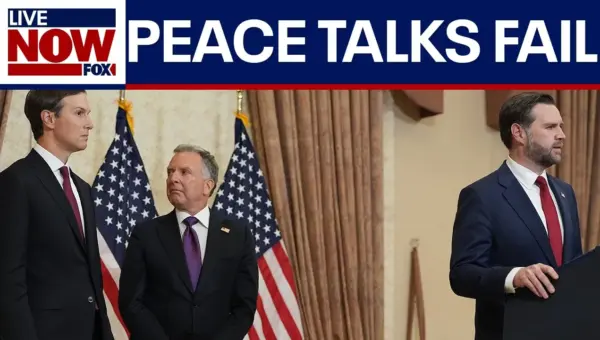
US-Iran Nuclear Talks Collapse; Ceasefire Remains Fragile
U.S. and Iran ceasefire talks in Pakistan have ended without an agreement after 21 hours, with both sides blaming each other. Key sticking points included Iran's nuclear program and its refusal to accept American terms. The fragile two-week ceasefire remains in place, but regional tensions are high.

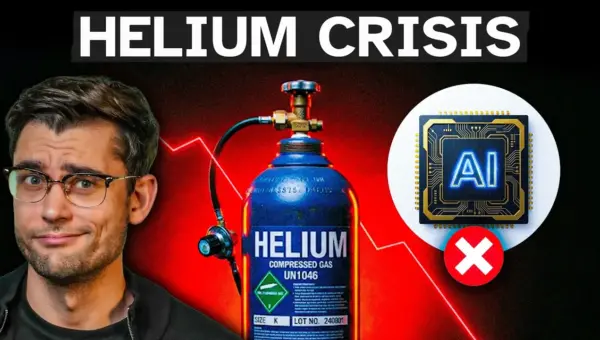
Helium Crisis Threatens AI Chip Production
A critical shortage of helium, essential for manufacturing advanced AI microchips, is threatening the global artificial intelligence boom. Geopolitical events and supply chain disruptions have severely impacted helium availability, leading to fears of production halts and a potential repricing of tech valuations.

Oil Prices Surge as Iran Talks Collapse, Global Economy at Risk
Peace talks between the U.S. and Iran have collapsed after 21 hours, dashing hopes for de-escalation. Key disagreements over Iran's nuclear program and the Strait of Hormuz remain unresolved. The breakdown is expected to push oil prices above $100 per barrel and worsen global inflation.