Trump’s Iran Deal Backfires, Sparks Global Mockery
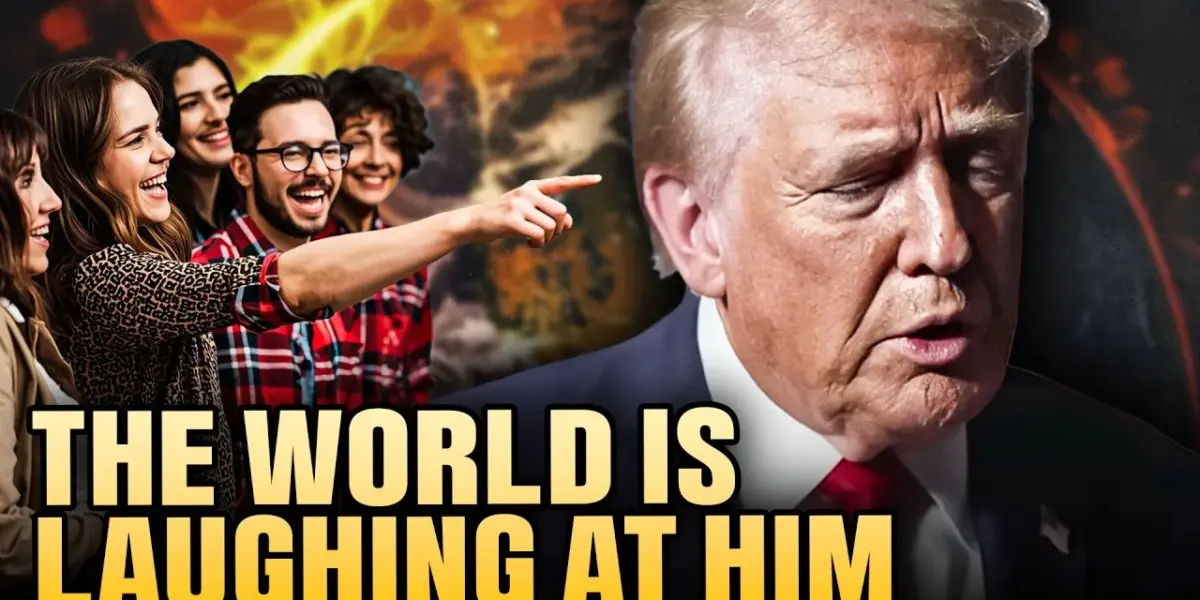
Donald Trump's recent Iran ceasefire deal has backfired spectacularly, drawing global mockery and criticism. Despite claims of success, key objectives remain unmet, leading even conservative media to question the deal. Trump's aggressive response and talk of 'conquest' further fuel concerns about global stability.

Trump’s Iran Deal Backfires, Sparks Global Mockery
The recent ceasefire agreement between the United States and Iran, brokered with the involvement of Donald Trump, has quickly unraveled, drawing widespread criticism and ridicule from around the world. What was presented as a diplomatic achievement has instead become a source of international embarrassment for Trump, with even conservative outlets in the United States questioning its value.
A Deal Deemed a ‘Non-Starter’
Reports indicate that the 10-point plan agreed upon by Trump has largely failed to meet its stated objectives. According to analysis, key demands such as the dismantling of major Iranian nuclear facilities, an end to uranium enrichment, and the transfer of enriched uranium stockpiles out of Iran have not been met. Furthermore, Iran has not agreed to intrusive international inspections nor suspended its ballistic missile program. This has led prominent figures, like Lawrence Jones on Fox & Friends, to describe the points as “non-starters for the US.” The sentiment is clear: the US appears to have conceded much while gaining little in return, leading many to question the effectiveness of Trump’s negotiation tactics.
“All of them, all 10 of them are non-starters for the US… the president’s demands, we have not reached any of those objectives.”
This outcome stands in stark contrast to the principles of Trump’s renowned “Art of the Deal,” prompting valid questions about the nature of this agreement. It seems more like a concession than a true negotiation, leaving many wondering how this outcome was achieved.
Global Leaders Condemn the Approach
Beyond domestic criticism, international leaders have also voiced their disapproval. Spanish Prime Minister Pedro Sanchez offered a particularly sharp critique, stating, “The government of Spain will not applaud those who set the world on fire just because they show up with a bucket.” This powerful metaphor captures the sentiment that Trump’s involvement, while perhaps intended to de-escalate tensions, has instead been perceived as a superficial attempt to address a self-inflicted or exacerbated crisis. The analogy suggests that Trump is seeking praise for merely appearing to address a problem he may have helped create, rather than for genuinely solving it.
Trump’s Reaction and Escalating Rhetoric
In response to the global mockery, Donald Trump took to Truth Social in what has been described as “midnight meltdowns.” His posts attacked NATO and escalated his rhetoric regarding Iran. One particularly alarming statement suggested that US military assets would remain in place around Iran until a “real agreement” was reached and fully complied with. He warned that if the agreement was not met, “the shooting starts bigger and better and stronger than anyone has ever seen before.” Trump also asserted that the Strait of Hormuz would remain open and safe, contrary to earlier concerns about potential disruptions.
This language of impending conflict and conquest is concerning. Trump stated that the US military was “looking forward actually to its next conquest.” This framing is alarming when compared to how the world would react if leaders of other nations, such as Russia, North Korea, or Turkey, spoke of their “next conquest.” Such statements from those leaders would undoubtedly trigger emergency sessions at the United Nations and widespread international alarm due to the perceived threat to global stability.
Why This Matters
The situation highlights a concerning pattern of escalating rhetoric and a perceived lack of effective diplomacy. When a leader, especially one with significant global influence, speaks of “conquest” and military action in such casual terms, it can create instability and fear. The international community relies on predictable and measured communication from world leaders to maintain peace. The disconnect between the perceived failure of the Iran deal and Trump’s defiant and aggressive response raises serious questions about judgment and leadership in critical foreign policy matters.
Historical Context and Background
The United States has a long and complex history with Iran, marked by periods of intense hostility and attempts at diplomatic engagement. The current tensions are rooted in decades of geopolitical disagreements, including the 1979 Iranian Revolution, the Iran hostage crisis, and ongoing concerns about Iran’s nuclear program and regional influence. Previous administrations have navigated these challenges through a combination of sanctions, diplomatic negotiations, and military deterrence. Trump’s “Art of the Deal” approach, characterized by direct negotiation and a willingness to challenge established diplomatic norms, represents a distinct strategy within this historical context.
Implications, Trends, and Future Outlook
The apparent failure of this ceasefire deal and Trump’s subsequent reactions suggest a trend towards increased unpredictability in foreign policy. The reliance on aggressive rhetoric and the framing of international relations as a series of “conquests” could lead to further global instability. If leaders continue to prioritize confrontational language over collaborative solutions, the world may see more diplomatic breakdowns and heightened geopolitical risks. The international community’s response, or lack thereof, to such rhetoric will shape future diplomatic norms and the effectiveness of international institutions like the UN.
The situation also raises questions about accountability and the mechanisms for managing leaders who exhibit volatile behavior. The mention of invoking the 25th Amendment, though politically charged, reflects a deep concern about the stability and judgment of individuals in positions of power. Until such concerns are addressed through established political processes, the world may indeed be left to “deal with” the consequences of such leadership styles.
Source: Trump HUMILIATED As Ceasefire Falls Short (YouTube)

Related Articles

Iran Deal Faces Skepticism Amid US Scientists’ Mysterious Deaths
Skepticism surrounds potential US-Iran negotiations due to Iran's history of deception. Meanwhile, rising gas prices are blamed on market manipulation, not free capitalism. The discussion also highlights alarming, unexplained deaths of US scientists, raising questions about government transparency and accountability.

Iran War Looms as China Pushes for Deal
Confusion over draft registration changes and escalating tensions with Iran dominate geopolitical discussions. While China pushes for a diplomatic solution to prevent conflict, the US faces complex negotiations. Meanwhile, the First Lady addresses rumors, seeking to clear her name amidst ongoing scandals.


Lawmakers Probe Geopolitical Betting Platform for Insider Trading
Lawmakers are demanding an investigation into the prediction market platform Polymarket due to anonymous bets placed on major geopolitical events hours before they happened. Concerns are mounting over potential insider trading and national security risks, as the platform's use of cryptocurrency makes user identities difficult to trace.