Iran Dictates Terms: US Capitulates as Congress Stalls
U.S. lawmakers clashed as Iran's leader issued bold warnings and presented a demanding 10-point plan, signaling a significant shift in global power. Congress struggled to assert its war powers role while Iran appeared to dictate terms, impacting oil markets and international relations.

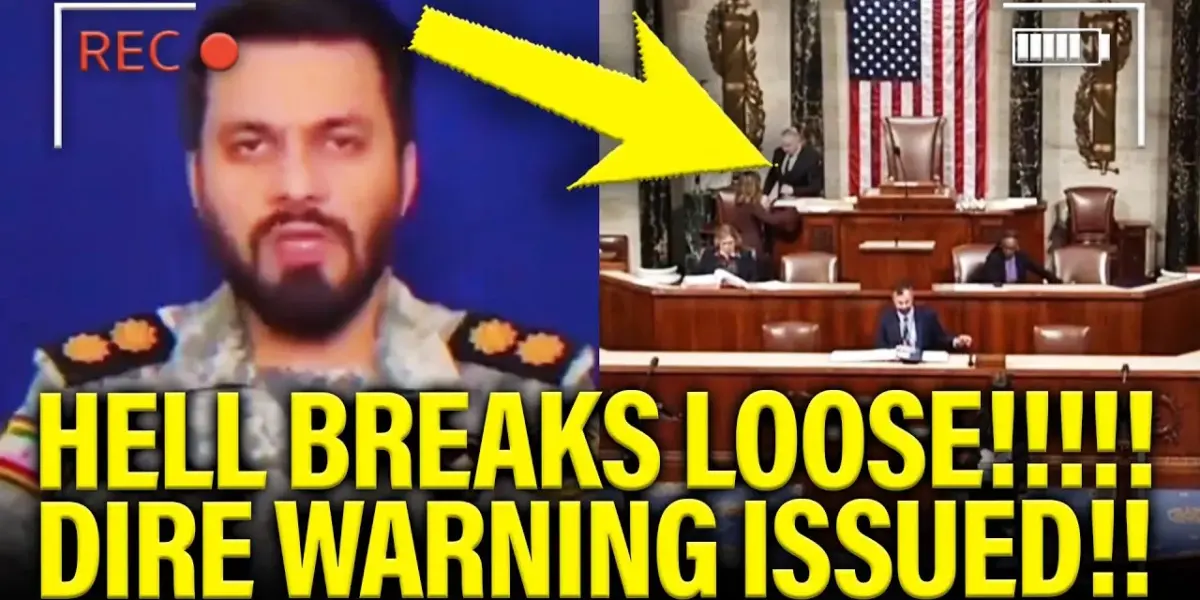
Congress in Chaos as Iran’s Influence Grows
Imagine a scene in the U.S. House of Representatives where one side is trying to pass a rule about war, and the other side is literally banging a gavel to stop them. That’s exactly what happened recently. Democrats wanted to vote on a resolution to limit President Trump’s war powers, especially concerning Iran. They tried to use a special process called “unanimous consent,” which means everyone has to agree for it to pass quickly. But, as soon as they tried, Republican members, often called “MAGA Republicans,” rushed to the front, slammed the gavel, and shut down the discussion. This means Congress isn’t getting a say in potential military actions.
Iran’s Bold New Stance
Meanwhile, across the world in Iran, the country’s new leader, Ayatollah Mojtaba Khamenei, sent a strong message. He spoke about entering a “new phase” in managing a crucial waterway called the Strait of Hormuz. He also told nearby countries not to trust “false promises from the devils” and vowed to seek compensation for any attacks and the lives lost.
Iran’s powerful parliament leader, Mohammad Bagher Ghalibaf, echoed these sentiments. He warned against trusting “the enemy” and claimed that America’s “historic retreat” and acceptance of Iran’s “10-point plan” was a huge win for Iran. This plan, as described, includes demands like American military bases leaving the Middle East, Iran receiving reparations, being allowed to enrich uranium, controlling the Strait of Hormuz, and gaining security guarantees.
The core of Iran’s demands, as presented, suggests a complete reversal of regional power dynamics, with Iran seeking recognition as a major global player and significant concessions from the United States.
Shifting Global Power Dynamics
The situation described suggests a significant shift in global politics. Iran appears to be acting like a superpower, while the United States, under President Trump’s administration, is portrayed as making concessions. This is highlighted by claims that the U.S. agreed to Iran’s 10-point plan, which was seen by Iran as a sign of American weakness. European nations, like France, are reportedly speaking directly with Iran instead of sending ships to the Strait of Hormuz, indicating a desire to deal with Iran directly as the key player in the region.
Even Iran’s foreign minister has publicly commented on the situation, suggesting that diplomatic actions by leaders like Netanyahu could lead to his jailing and that the U.S. choosing to hinder diplomacy would hurt its own economy. This is seen as Iran openly mocking President Trump.
Economic Ripples and Political Distractions
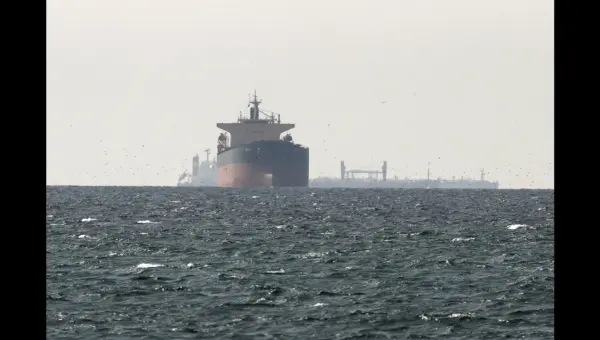
The tension around the Strait of Hormuz, a vital route for oil shipments, is already impacting global markets. U.S. oil prices have surged significantly, with concerns that Iran’s control over the strait could make oil transport too expensive. This economic instability is happening while, domestically, there are reports of optimistic statements from Trump administration officials about the economy, even as some economic indicators, like GDP numbers, have shown contraction.
Some critics argue that these international crises are being used as distractions from domestic issues, such as the economy, and other sensitive topics. This is compared to a “Ponzi scheme,” where constant emergencies are created to divert attention.
Why This Matters
This situation is critical because it involves major geopolitical shifts, potential military conflict, and significant economic consequences. The U.S. Congress’s inability to assert its constitutional role in war powers raises questions about democratic checks and balances. Iran’s assertive stance and perceived success in dictating terms to the U.S. could embolden other nations and alter the global balance of power. The economic impact, particularly on oil prices, affects everyone worldwide. Furthermore, the potential for diplomatic breakdowns and escalating tensions creates a volatile international environment.
Historical Context and Future Outlook
Historically, U.S.-Iran relations have been complex and often adversarial since the 1979 revolution. Periods of tension have alternated with attempts at negotiation. The current situation appears to be a sharp escalation, with Iran adopting a much more aggressive and demanding posture. The claims of the U.S. agreeing to a broad 10-point plan represent a dramatic departure from previous U.S. foreign policy in the region.
Looking ahead, the implications are far-reaching. If Iran continues to exert control over key shipping lanes and dictates terms, it could lead to a prolonged period of economic instability and heightened regional conflict. The U.S. response will be crucial. The narrative presented suggests a need for allies to work together for diplomatic solutions, to ensure free passage through crucial waterways, and to prevent Iran from developing nuclear weapons. The challenge lies in navigating this complex situation without resorting to further conflict, while also holding leaders accountable for decisions that impact national security and economic well-being.
The debate within the U.S. highlights a deep division on how to handle foreign policy and its economic fallout. Democrats are calling for a return to diplomacy, strengthening alliances, and investing in renewable energy to reduce dependence on fossil fuels, which Iran currently uses as leverage. They also emphasize holding the administration accountable for what they see as damaging foreign policy decisions. The coming months will likely reveal whether this assertive Iranian stance leads to lasting global shifts or whether diplomatic efforts can restore stability.
Source: 🚨 HELL Breaks LOOSE in HOUSE FLOOR as IRAN GIVES WARNING!! (YouTube)

Related Articles
Democrats Face Crisis as Gaza War Fuels Voter Backlash
The Democratic Party faces internal turmoil as public opinion shifts against Israeli policies and powerful lobbying groups like AIPAC face scrutiny. Low approval ratings and a growing progressive movement signal a potential crisis for the party.
Trump Orders Strait of Hormuz Blockade After Talks Fail
President Trump has ordered a US Navy blockade of the Strait of Hormuz after peace talks with Iran failed. The move aims to prevent Iran from developing nuclear weapons and stops ships paying illegal tolls. This escalates regional tensions significantly.
Trump Warns China: 50% Tariffs Loom for Iran Arms Support
President Trump has threatened China with 50% tariffs if it supplies weapons to Iran, citing U.S. intelligence reports of impending air defense system shipments. This move could severely impact U.S.-China relations, especially with a high-level meeting scheduled for May. The situation underscores China's complex role in balancing regional stability with its economic interests.