Ukraine Strikes Deep Inside Russia, Weakening Putin’s Grip
Ukraine's intensified strike campaign deep inside Russia is exposing critical vulnerabilities in Putin's regime, impacting its economy and military capacity. Fears of attacks even reaching Moscow could lead to the cancellation of the Victory Day parade, signaling a significant blow to the Kremlin's image of strength.

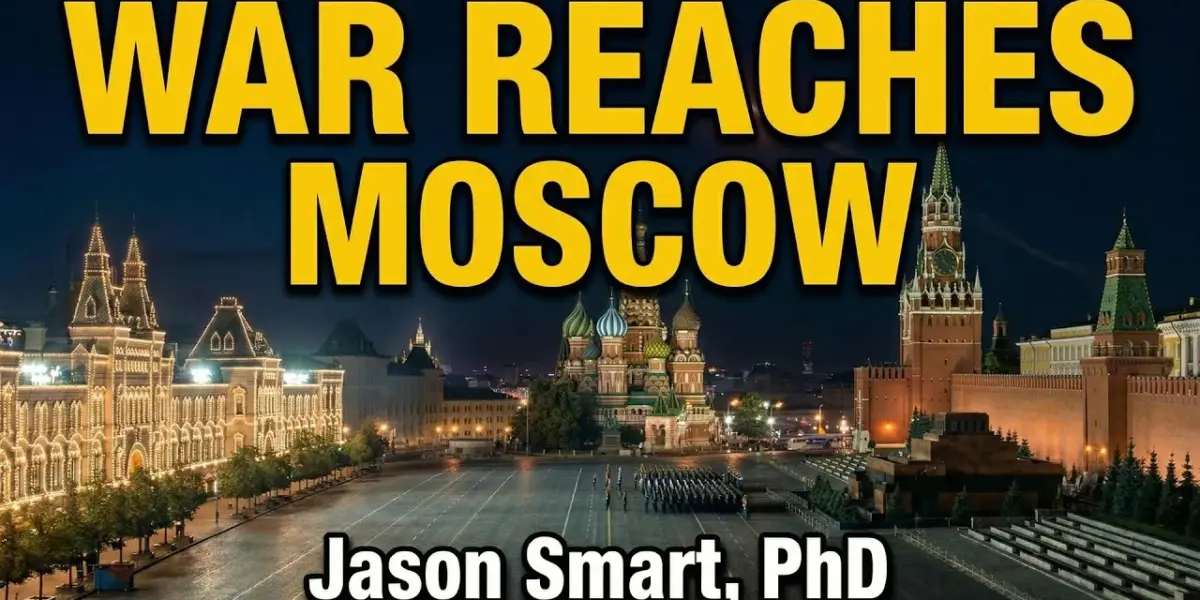
Ukraine Strikes Deep Inside Russia, Weakening Putin’s Grip
Recent Ukrainian attacks across Russia, targeting critical infrastructure and military assets, signal a growing vulnerability in Vladimir Putin’s regime. These strikes are not only disrupting Russia’s war effort but also eroding the Kremlin’s image of strength and control, even prompting fears of canceling major public events like the Victory Day parade.
Attacks Reach Moscow’s Doorstep
Ukraine has intensified its strike campaign, hitting targets far inside Russian territory. Even Moscow, heavily protected by air defense systems, is now within reach of Ukrainian operations. This has led to speculation that the annual May 9th Victory Day parade in Red Square might be canceled, a move that would be deeply embarrassing for Putin’s government. The Kremlin reportedly fears a successful Ukrainian attack during the event would expose its inability to protect its own capital.
These strikes extend beyond the capital. The Kerch Bridge in Crimea, a vital Russian supply line, has been hit multiple times, demonstrating that it is no longer secure. Fuel infrastructure across Russia also appears less protected. The reach of these attacks is significant, with Ukrainian drones striking targets in places like Ust-Luga and Primorskoye, located nearly 2,000 kilometers from Kyiv.
Economic Strain and Sanctions Bite
The ongoing conflict and the international sanctions are placing immense strain on Russia’s economy. The federal deficit has surged, exceeding official plans by over 20%. The value of Russia’s currency has fallen, and the country is struggling to maintain basic services. Production of key materials like cement has decreased, impacting new housing construction in the Moscow region, which has seen a 20% drop in volume this quarter.
Russia’s ability to wage war is also being hampered by targeted attacks on its industrial capacity. Ukraine is striking factories that produce essential chemicals for military vehicles, armor, and aviation. Without these chemicals, which are used as engine lubricants, Russia faces significant logistical challenges in maintaining its forces. The country is attempting to isolate itself economically, but this is becoming increasingly difficult as financial resources dwindle.
Erosion of Internal Support
The war is increasingly impacting ordinary Russians, leading to a growing sense of unease. The regime’s image of invincibility is fading, replaced by a perception of a system struggling to defend itself. Even internal challenges, like the brief Wagner Group uprising led by Yevgeny Prigozhin, revealed a lack of widespread support for Putin’s government. During the advance towards Moscow, Prigozhin faced little resistance, and some Russian citizens reportedly viewed him as a hero, not an enemy.
This internal instability forces Putin to focus more on maintaining control within Russia, diverting resources and attention away from offensive operations abroad. The government is reportedly increasing its reliance on security services like the FSB to suppress dissent. Furthermore, the cost of maintaining its military is rising, with soldiers now reportedly joining the army primarily for financial incentives rather than ideological reasons.
Strategic Implications
The increased Ukrainian strikes inside Russia, coupled with economic pressures, are fundamentally changing the strategic calculus. Putin can no longer project an image of expansion and assured victory. Instead, he is forced into a defensive posture, spending more resources just to maintain the current situation.
This shift means Putin is less able to inflict further damage abroad and is increasingly trapped by the system he created. The attacks on infrastructure and industrial sites are designed to degrade Russia’s long-term warfighting capability. By targeting ammunition depots, factories, and fuel supplies, Ukraine aims to cripple Russia’s ability to sustain its forces on the front lines.
The potential cancellation of the Victory Day parade highlights the psychological impact of these attacks. It suggests a deep-seated fear within the Kremlin that it cannot guarantee the safety of its leadership or the public during a major national event. This perceived weakness, even while the regime remains dangerous, signals a critical turning point, potentially leading to further internal instability.
Geopolitical Fallout
The ongoing conflict and Russia’s weakening position have broader geopolitical consequences. Allies of Russia, like Hungary, continue to publicly align with Moscow, with Prime Minister Viktor Orbán reportedly expressing a willingness to act as Putin’s subordinate. However, this is occurring against a backdrop of Russia’s declining influence and increasing isolation.
Meanwhile, Ukraine’s success in striking deep into Russia demonstrates its growing capabilities, particularly with advanced drone technology. These developments underscore the resilience of Ukraine and its ability to adapt its tactics to challenge Russian defenses. The situation suggests that while Putin may be able to prolong the conflict, his ability to achieve his strategic objectives is severely diminished.
Source: The Kremlin Can't Secure Victory Day (YouTube)

Related Articles

US Tightens Grip, Eyes Regime Change in Iran
John Bolton argues that the recent ceasefire with Iran was a mistake and advocates for a renewed military strategy. His proposal includes reopening the Strait of Hormuz and maintaining a blockade on Iranian oil to pressure the regime, with the ultimate goal of regime change.

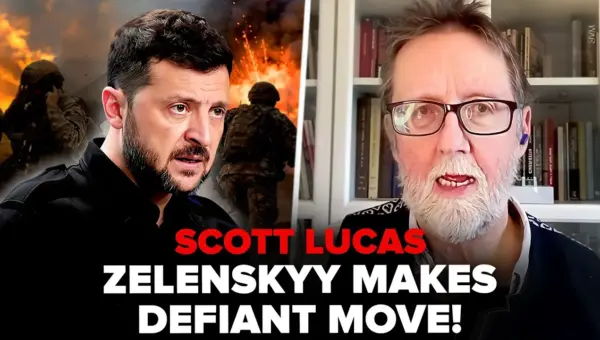
Ukraine Rejects US Ultimatum on Donbas: Allies Rally
Ukraine is reportedly prepared to reject U.S. demands for territorial concessions in Donbas, signaling greater independence from Washington. This stance, supported by European allies, comes as Russia maintains its maximalist demands. The situation mirrors past diplomatic pressures and highlights Ukraine's growing resilience.

Canada Charts New Course, Challenges US Economic Ties
Canada is actively strengthening its economy and forging new global partnerships, signaling a potential shift in its relationship with the United States. This move challenges US economic ties and highlights Canada's unified approach to national development. The US may face consequences from reduced resource exports and increased costs for key materials.