Ukraine’s Historical Narrative Challenges Russian Identity
A Ukrainian historian reveals how 17th and 18th-century intellectuals from Kyiv shaped early Russian historical narratives and national identity. The 'Synopsis,' a key textbook, placed Kyiv at the center of historical development. This challenges Russia's historical self-perception and highlights Ukraine's distinct intellectual heritage.


Ukraine’s Historical Narrative Challenges Russian Identity
A Ukrainian historian has shed light on how intellectual traditions originating from Ukraine significantly shaped early Russian historical narratives. This influence, dating back to the 17th and 18th centuries, played a crucial role in forming Russia’s understanding of its own statehood and national identity. These insights challenge the commonly held view of Russia as the sole originator of its historical self-perception.
Kyiv’s Intellectual Roots
During the 17th and 18th centuries, intellectuals from Kyiv, specifically from the Kyiv-Mohyla Academy and its associated monastery, were at the forefront of conceptualizing both states and nations. These scholars produced foundational texts that were used as history textbooks for Russians. The ‘Synopsis,’ a key work printed at the time, placed Kyiv at the very center of historical development. This was true not only for Ukrainian history but also for the emerging historical understanding of Russia itself.
The impact of these Ukrainian intellectuals extended beyond historical narratives. They were instrumental in the Westernization of Russia. This involved introducing European intellectual trends and educational models into the Russian context. Their work helped to bridge the gap between Russia and Western European thought during a critical period of state formation and cultural development.
Challenging Established Narratives
The historian points out that Russia’s current historical understanding relies heavily on these centuries-old Ukrainian intellectual products. This reliance suggests a long-standing dependence on external intellectual frameworks for defining Russian identity. The process for Russia to develop its own distinct historical narratives, independent of these earlier influences, is described as lengthy and ongoing.
This historical dynamic highlights a complex relationship between the two nations. It suggests that Ukraine’s intellectual contributions were foundational to Russia’s early historical and national self-definition. The ongoing effort by Russia to create its own historical mythology indicates a desire to move beyond these inherited narratives and establish a more independent national identity.
Strategic Implications
Understanding this intellectual history offers a new perspective on the current geopolitical landscape. It reframes the narrative of historical grievances and national identity. Ukraine’s intellectual heritage, once a source of Russian historical framing, is now being asserted as a distinct element of its own national story. This assertion can be seen as a cultural and historical counter-narrative to Russian claims of historical primacy.
The reliance on 17th-century texts for modern Russian identity is a point of vulnerability. It suggests that the current Russian state narrative may lack a deep, independent historical foundation. Ukraine’s efforts to reclaim and emphasize its own intellectual history serve to underscore its distinctiveness. This can bolster national unity and provide a stronger sense of self-determination.
Historical Parallels
This situation echoes broader historical trends where cultural and intellectual centers have influenced surrounding regions. For example, the Renaissance in Italy influenced the cultural development of much of Europe. Similarly, ancient Greece’s philosophical and political ideas shaped Western civilization. In this case, Kyiv served as an early intellectual hub whose outputs were adopted and adapted by a rising power, Russia.
The process described is analogous to how early universities and monasteries in medieval Europe preserved and disseminated knowledge. These institutions often became centers of learning that influenced wider regions. The Kyiv-Mohyla Academy, in this context, acted as such a center, its intellectual products traveling and shaping the historical consciousness of another nation.
Conclusion
The historian’s analysis reveals a deep and often overlooked connection between Ukrainian intellectual history and the formation of Russian national identity. By highlighting the foundational role of Kyiv’s scholars and texts, this perspective challenges Russia’s established historical narratives. It underscores Ukraine’s own rich intellectual heritage and its significance in shaping regional history. The ongoing Russian quest for independent narratives suggests a recognition of this complex historical legacy.
Source: Ukrainian historian on how the world underestimated Ukraine (YouTube)

Related Articles
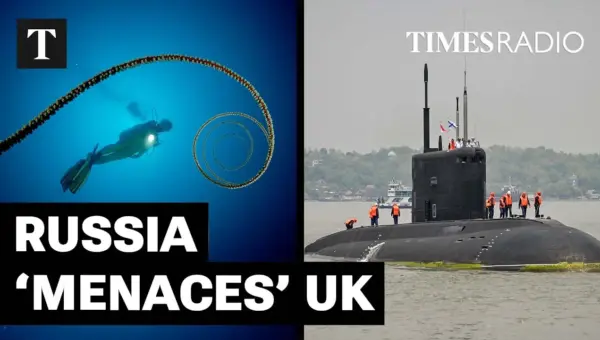
Russia Submarine Spying Threatens UK’s Critical Underwater Links
Three Russian submarines attempted to spy on UK underwater cables and pipelines, the Defense Secretary revealed. The Royal Navy tracked the vessels, sending a clear message that such actions will not be tolerated. This incident is seen as part of Russia's strategy to pressure Britain over its support for Ukraine.
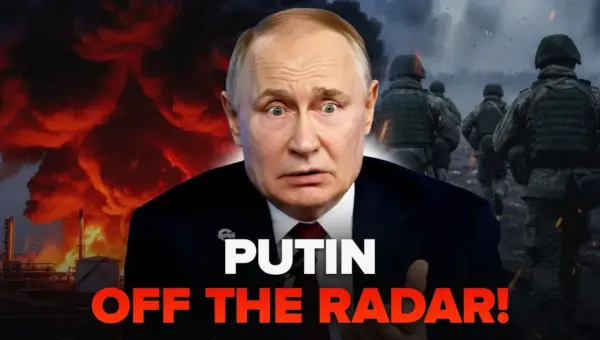
Russia Faces ‘Disaster’ as Ukraine Strikes Deep
Former CIA analysts suggest Russia is facing a "disaster" as Ukrainian drone strikes hit deep within its territory, challenging its security. They detail Putin's miscalculations, Russia's economic fragility, and Ukraine's strengthened national identity. The discussion also touches on the complexities of security guarantees and the potential long-term benefits of Middle East instability for Ukraine.
Putin Offers Easter Truce, But Will Fighting Truly Stop?
Russia announced an Orthodox Easter ceasefire, with Ukraine cautiously agreeing. However, past ceasefires have been marred by violations, raising doubts about the truce's effectiveness. The world watches to see if this holiday pause will bring genuine respite or further broken promises.