Iran Conflict: Was War Pause Too Soon?
Retired General Jack Keane questions if the U.S. paused Iran conflict operations too soon, suggesting continued combat could yield better negotiation leverage. Despite significant U.S. military success in 38 days, lingering Iranian capabilities pose a risk to oil markets.

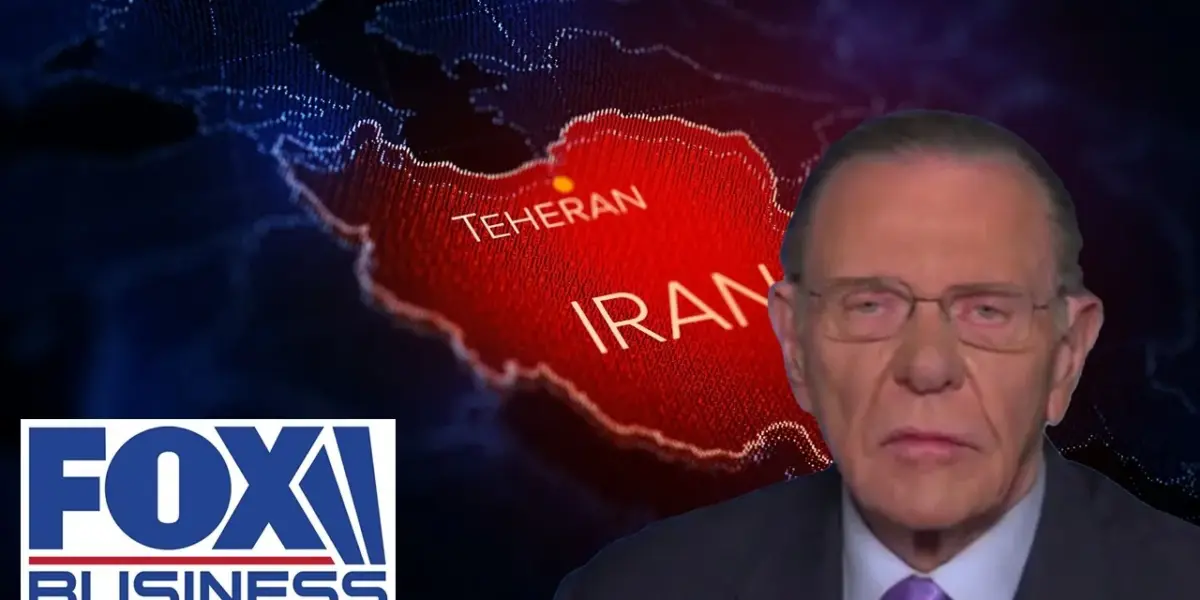
General Questions US Strategy in Iran Conflict
Retired Four-Star General Jack Keane expressed concerns about the timing of pausing combat operations against Iran. He believes the U.S. may have ended military actions too early. Keane’s preference would have been to continue fighting to achieve greater leverage in negotiations. He stated that finishing what was started could have led to better outcomes.
Key Negotiation Leverage Points
Keane suggested two main strategies that could have been employed. One option was to threaten taking control of Kharg Island, Iran’s main oil export terminal. This action would serve as a powerful bargaining chip to force Iran to halt its uranium enrichment program. If Iran refused, Keane argued, the U.S. should have taken control of the island or destroyed it.
A second approach favored by Keane was negotiating while combat operations were ongoing. This would put more pressure on Iran to reach a favorable agreement. He acknowledged that the President has access to information not available to the public, which might influence his decisions. However, based on publicly available information, Keane feels the U.S. still holds significant negotiation power.
The Two-Week Deadline and Iranian Tactics
Keane highlighted a critical two-week deadline. He believes the U.S. should hold firm to this deadline. The underlying message, according to Keane, is that if Iran does not meet all U.S. conditions, military action will restart. This stance aims to maximize U.S. leverage. He anticipates Iran will attempt to delay and prolong the negotiations, a tactic they have used effectively for years.
Iranian delays are often aimed at increasing pressure on the U.S. President to avoid restarting the conflict. Factors like falling oil prices and rising market confidence can make military action less popular. Keane suggested the President must be prepared to restart operations if necessary, while strictly adhering to the two-week deadline.
Staggering Success in 38 Days
The article references significant military achievements within a short timeframe. U.S. forces reportedly destroyed Iran’s defense industrial base, crippling its ability to produce weapons used by Iran and its proxies. Iran’s capacity to build and store ballistic missiles and long-range drones was also set back by several years. These accomplishments were achieved in just 38 days of combat operations.
The scale of these achievements in such a short period is described as unprecedented in American warfare history. This success is attributed to the capabilities of American warfighters and the Israeli Defense Forces (IDF). Despite these successes, the concern remains that Iran could still retaliate, even with limited capabilities, potentially disrupting oil shipments.
Lingering Threats and Future Capabilities
The transcript acknowledges that eliminating every missile and launcher is physically impossible. However, the goal of the military operations was to reduce Iran’s offensive capabilities dramatically. This reduction aims to prevent Iran from launching sustained attacks. Keane suggests that Iran is holding back some of its launch systems and missiles. They may be waiting for a moment when U.S. military pressure eases to demonstrate their ability to retaliate.
This strategy allows Iran to claim it survived the confrontation with a superpower. The proven capabilities of the combined U.S. and IDF forces are acknowledged. However, the potential for residual retaliation remains a concern for global markets, particularly impacting oil prices if tankers are targeted.
Market Impact
The ongoing tensions and potential for renewed conflict in the Middle East directly impact global oil prices. Any escalation, such as an attack on oil tankers, could cause prices to surge. Conversely, a de-escalation or a favorable resolution to negotiations could lead to price stability or even a decrease. Investor sentiment towards energy markets and geopolitical risk is closely tied to developments in this region. The U.S. military’s success in degrading Iran’s missile and drone capabilities is a positive development for market stability in the short term, but the threat of residual attacks keeps markets on edge.
What Investors Should Know
Investors should monitor the ongoing negotiations and any signs of renewed military activity. The two-week deadline mentioned by General Keane is a critical period to watch. Geopolitical instability in the Middle East is a significant driver of oil prices, which affects inflation and corporate costs across various sectors. While the U.S. military has achieved notable successes, the potential for Iranian retaliation, even on a smaller scale, poses a risk to energy markets. Diversification and careful risk management are important strategies for investors during times of geopolitical uncertainty. The long-term implications depend on whether a lasting diplomatic solution can be reached or if the conflict escalates further.
Source: Gen Jack Keane: FINISH what we started (YouTube)

Related Articles

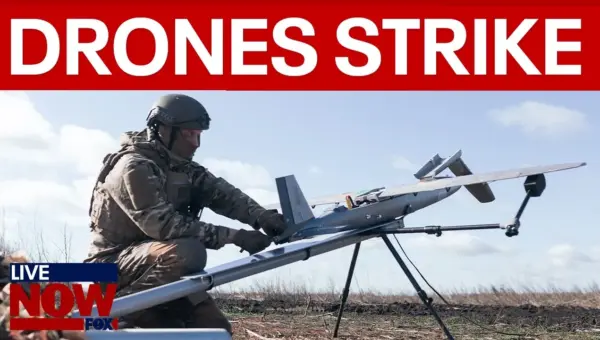
Ukraine Downs Iranian Drones, Signals Shifting Global Power
Ukrainian forces have successfully downed Iranian-made drones, marking a significant shift in the ongoing conflict. This development highlights Ukraine's evolving defensive capabilities and Iran's expanding role as a global arms exporter, while diplomatic talks face major challenges.

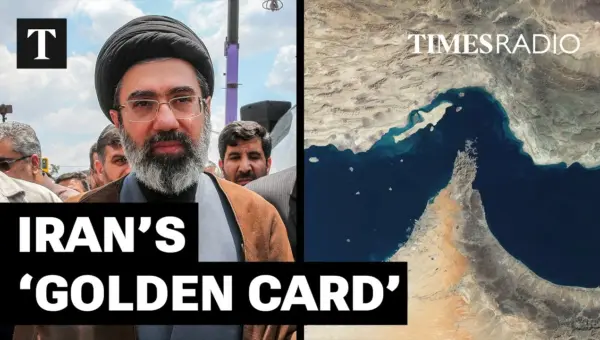
Iran Defends Strait of Hormuz Control Amid Escalating Tensions
Iran is leveraging its control over the vital Strait of Hormuz, a key global oil route, amidst international pressure and economic sanctions. Upcoming US-Iran talks, mediated by Pakistan, aim to de-escalate tensions, with high-level delegations signaling the seriousness of the negotiations.


Moon Race Reignites: US, China Vie for Lunar Dominance
The US and China are engaged in a new space race, aiming for lunar dominance. NASA's Artemis program and China's Chang'e missions are key to this competition, driven by technological prowess and resource ambitions. This renewed focus could reshape global power dynamics and future space exploration.