Psaki Questions Trump’s Moral High Ground on World Stage
Jen Psaki recently questioned Donald Trump's ability to claim the U.S. holds the 'moral high ground' internationally. The exchange highlights a broader debate about how a leader's actions and rhetoric impact a nation's global standing and diplomatic influence. This discussion is critical as perceptions of a nation's integrity can affect its ability to lead and build alliances on the world stage.

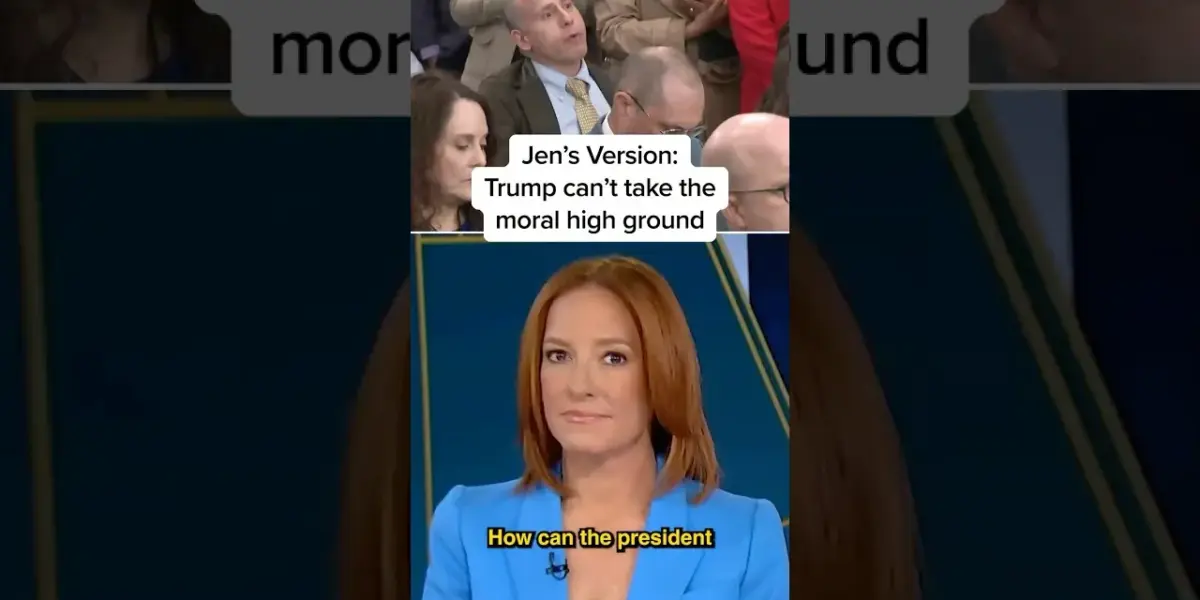
Psaki Challenges Trump’s Morality in Foreign Policy
Former White House Press Secretary Jen Psaki recently questioned whether former President Donald Trump could legitimately claim the United States holds the “moral high ground” on the world stage. The exchange occurred during a press briefing on April 8, when Karoline Leavitt, then identified as part of Trump’s campaign, posed the question.
The Core of the Question
Leavitt’s question, as reported, focused on Trump’s ability to assert American moral leadership internationally. This implies a discussion about his past actions, rhetoric, and their impact on global perceptions of the U.S. The context suggests a debate about whether Trump’s presidency, and potentially his future candidacy, aligns with traditional notions of American values and ethical standing in international relations.
Psaki’s Response and Broader Implications
While the specifics of Psaki’s full response are not detailed in the provided summary, the framing of the question itself highlights a significant political and philosophical debate. It touches upon how a nation’s leader influences its image and its ability to influence other countries. The “moral high ground” is often invoked in discussions about diplomacy, human rights, and international law. A leader perceived as lacking moral authority can undermine a nation’s diplomatic efforts and its influence in global affairs.
This line of questioning is crucial because it goes beyond simple policy differences. It delves into the character and perceived integrity of a national leader. When a country seeks to lead, whether through alliances, humanitarian aid, or condemnation of other nations’ actions, its own moral standing is frequently scrutinized. Trump’s presidency was marked by a departure from many traditional diplomatic norms, often prioritizing transactional relationships and questioning long-standing alliances. This approach led to varied reactions both domestically and internationally, with supporters arguing for a more pragmatic, America-first policy, while critics expressed concerns about the erosion of democratic values and international cooperation.
The Significance of Moral Authority in Diplomacy
The concept of the “moral high ground” is not merely rhetorical; it has tangible consequences in foreign policy. Nations that are seen as upholding democratic principles, respecting human rights, and adhering to international agreements often find it easier to build coalitions and exert influence. Conversely, a perceived lack of moral authority can weaken a country’s standing, making it harder to rally international support for its initiatives or to effectively condemn the actions of adversaries. For example, if a nation advocates for democratic reforms abroad but faces accusations of undermining its own democratic institutions at home, its message can be significantly diluted.
Psaki, in her role as a former White House spokesperson, would be well-versed in the importance of projecting a consistent and principled image for the United States. Her engagement with this question, even if brief in the summary, suggests a belief that such perceptions matter. The Biden administration, for instance, has often emphasized a return to traditional alliances and a focus on democratic values as cornerstones of its foreign policy, implicitly contrasting itself with the Trump era. The debate over the “moral high ground” thus becomes a proxy for larger discussions about America’s role in the world and the values it chooses to champion.
Looking Ahead
As the political landscape continues to evolve, the question of America’s moral standing and the leadership’s role in shaping that perception will remain a central theme. Future debates and electoral campaigns will likely continue to explore how candidates’ past actions and proposed policies align with or diverge from international expectations of American leadership. The effectiveness of U.S. foreign policy may well hinge on its perceived moral authority, making this an ongoing and critical aspect of national and international discourse.
Source: Jen's Version: Trump can't take the moral high ground (YouTube)

Related Articles

Iran Ceasefire: US Pushes for Deal Amidst Tensions
A fragile ceasefire between the U.S. and Iran is under severe strain, with ongoing missile firings and continued Iranian control over the Strait of Hormuz. Despite tensions, the White House remains optimistic as Vice President JD Vance leads a high-level delegation to Pakistan for peace talks. Key issues include Iran's nuclear enrichment program and the reopening of vital shipping lanes.
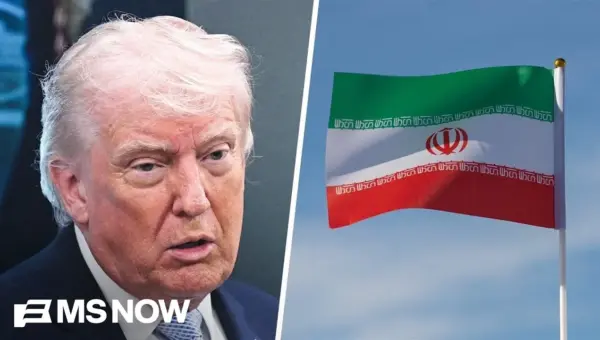
Noonan Slams Trump’s Iran Threats: ‘Hitting a New Bottom’
Journalist Peggy Noonan has strongly criticized former President Donald Trump's social media threats against Iran, calling them "sinister" and "hitting a new bottom." Her commentary highlights concerns about destabilizing the world and undermining America's moral authority. The piece also touches on divisions within the Republican Party and the silence of its leaders.
Trump Slams Media Critics, Sparks GOP Division
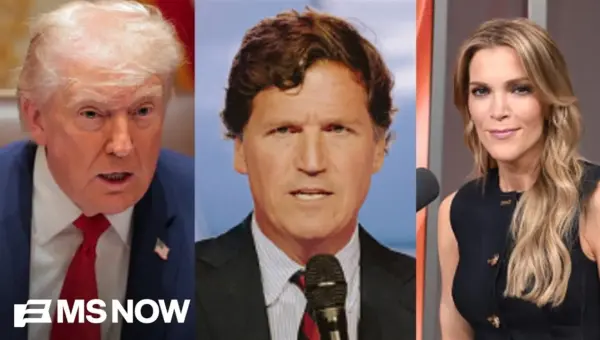
President Trump unleashed a fiery attack on right-wing media figures like Tucker Carlson and Meghan Kelly, calling them "low IQ" and "troublemakers" after they criticized his Iran policy. The broadside highlights growing divisions within the Republican party and the complex relationship between Trump and his conservative media allies.